The Rise of Prepared Foods: What Every Busy Shopper Should Know
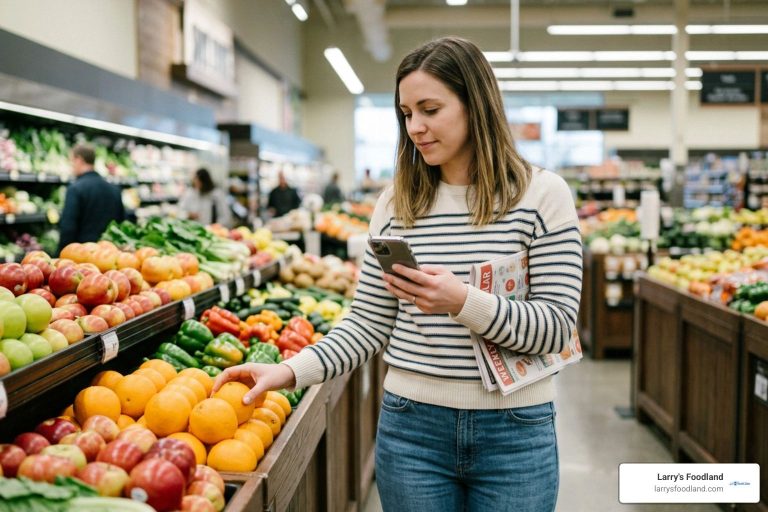
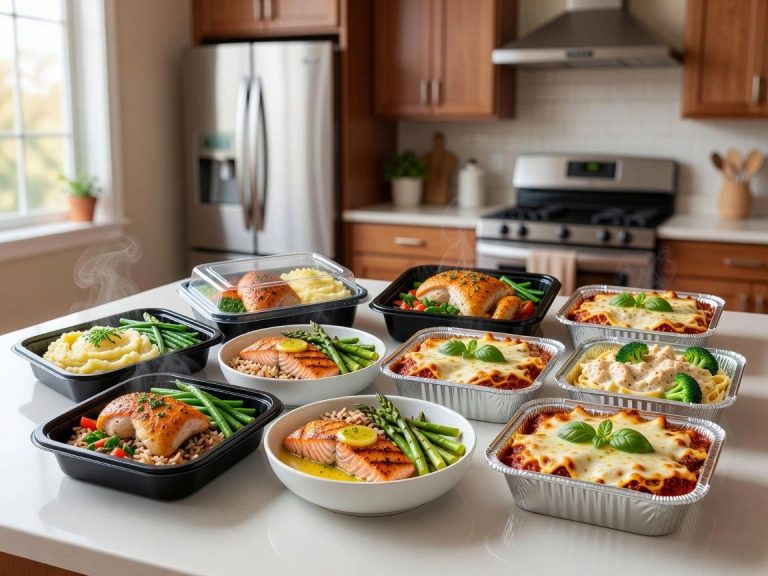
Prepared foods have quietly become one of the biggest shifts in how Americans eat — turning the grocery store into something closer to a restaurant.
Here is a quick overview of what prepared foods are and why they matter:
Category What It Means Examples Ready-to-eat No heating needed Deli salads, sushi, rotisserie chicken Ready-to-heat Quick warm-up required Packaged entrees, soups, lasagna Ready-to-cook Prepped, needs cooking Marinated proteins, meal kits Frozen prepared Flash-frozen, heat and serve Frozen entrees, burritos
This is not a niche trend. Prepared meals are now close to a $29 billion-a-year business — and they are growing at roughly twice the rate of overall grocery sales. More than half of shoppers say they regularly buy meals from a grocery store’s fresh prepared-food counter.
It makes sense. Life is busy. Cooking from scratch every night is not realistic for most people. Grabbing a hot meal, a fresh salad, or a fully cooked rotisserie chicken on the way home fills a real need.
But not all prepared foods are created equal. Some are made fresh in-store daily. Others arrive frozen from a central kitchen and get reheated. Some are packed with sodium and preservatives. Others meet strict ingredient standards.
This guide breaks it all down — so you can shop smarter, eat better, and make the most of what your grocery store’s prepared foods section has to offer.
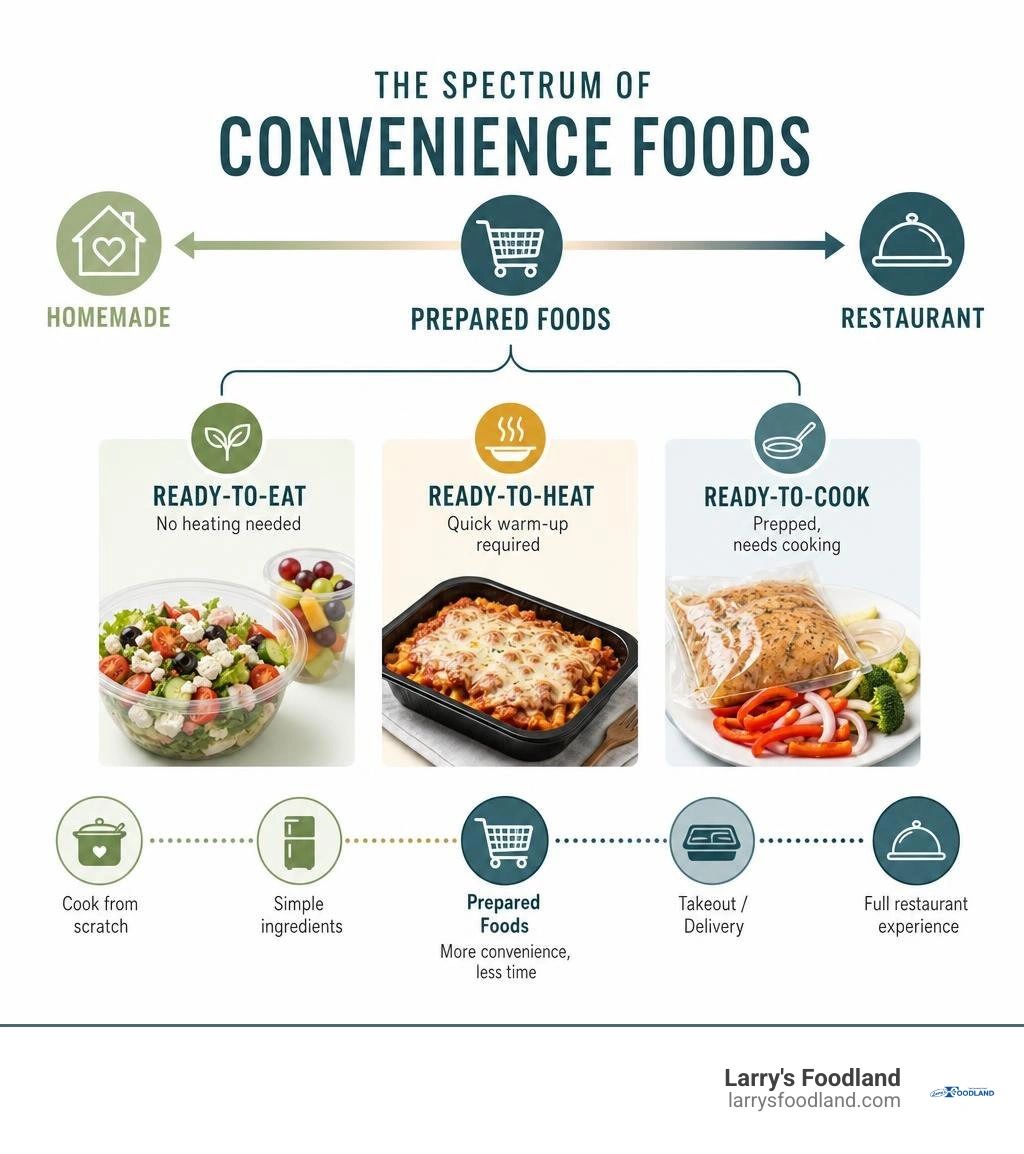
What Are Prepared Foods and How Do They Differ?
To understand how prepared foods fit into your weekly routine, it helps to look at how they differ from other convenience options. They occupy a unique space between traditional home cooking, frozen TV dinners, and restaurant takeout.
Defining Prepared Foods in the Modern Grocery Landscape
Historically, grocery shopping meant buying raw ingredients to cook from scratch. By the early 1990s, consumer retail spending on food reached approximately $700 billion annually in the United States, split evenly between traditional processed foods and emerging ready-to-eat products. During this era, the annual growth of ready-prepared foods out-distanced traditional food sales by a staggering four-to-one margin (4% versus 1% to 2% annually). At the same time, fast-food chains were exploding, with the 20 largest chains operating nearly 80,000 outlets by 1998.
To keep up with fast-food convenience, supermarkets expanded their in-house culinary offerings. Today, the modern Deli counter is no longer just a place to buy sliced turkey and Swiss cheese. It is a full-service meal destination featuring hot bars, salad bars, and refrigerated grab-and-go cases.
Unlike restaurant takeout, which is designed to be eaten immediately, or frozen meals, which require long-term freezing, fresh prepared options are designed for immediate consumption or quick reheating within a few days. They provide the taste and feel of a home-cooked meal without the kitchen prep or the high price tag of a sit-down restaurant.
Freshly Made vs. Centralized Kitchen Reheating
One of the most common questions shoppers ask is: Is this food actually made in the store, or did it arrive in a plastic bag?
The answer varies wildly depending on where you shop. Investigative reports reveal that across the grocery industry, only about half of the prepared meals sold at hot bars and deli counters are made entirely from scratch on the premises. Many supermarkets rely on centralized off-site kitchens that prepare dishes, package them, and ship them refrigerated or frozen to individual stores to be reheated and displayed.
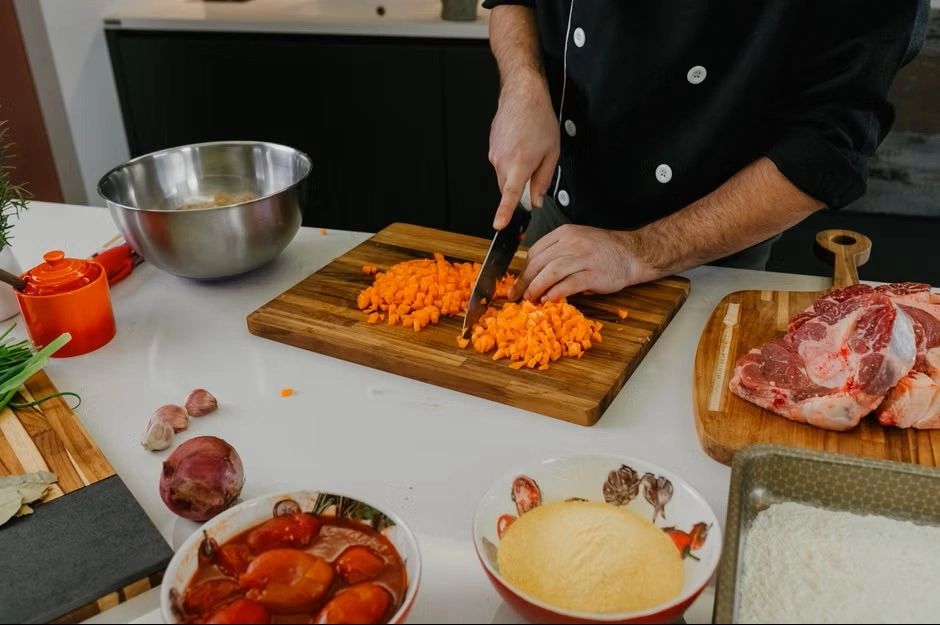
When dishes are prepared off-site, they often require added stabilizers, extra sodium, and chemical preservatives to maintain their appearance and texture during transport. In contrast, true scratch-made supermarket programs rely on raw, fresh ingredients prepared daily by in-store cooks. For instance, combining a scratch-made entree with fresh bread from an in-store bakery delivers a level of quality and flavor that centralized reheating simply cannot match.
When evaluating options, you can also look at specialty regional solutions like Harvest Kitchen | Fresh & Convenient Meals from Local Farms or investigate local culinary offerings such as Gourmet Prepared Meals | Joe’s Produce Gourmet Market to see how different culinary teams approach scratch-made standards.
Nutrition, Food Safety, and Ingredient Transparency
While convenience is a major selling point, understanding the nutritional profile and safety of prepared foods is essential for maintaining a healthy lifestyle.
Analyzing Calories, Sodium, and Preservatives in Prepared Foods
Supermarket prepared meals can be a nutritional mixed bag. Because salt is an inexpensive flavor enhancer and natural preservative, sodium levels in deli-counter items are often incredibly high.
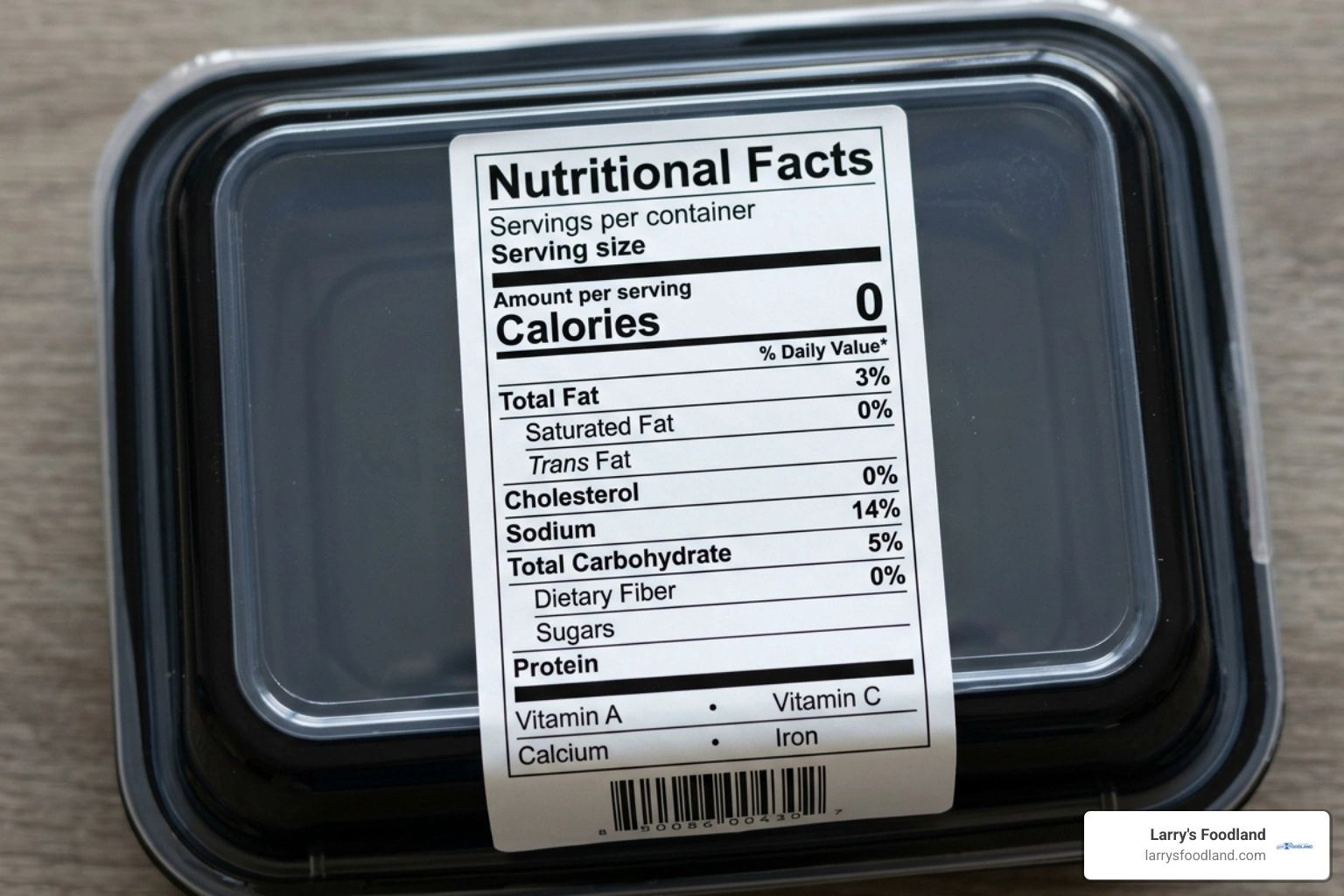
Consider these common nutritional profiles found in standard supermarket prepared items:
- Mini Turkey Meatloaf: Can contain up to 891 mg of sodium per 6-ounce serving.
- Lemon Orzo Side Dish: Often packs 938 mg of sodium per serving — which is roughly 40% of the FDA’s recommended daily limit of 2,300 mg.
- Glazed Beef Meatloaf with Mashed Potatoes & Veggies: A single-serve refrigerated box can contain 580 calories, 11g of saturated fat (55% DV), and 1,430 mg of sodium (60% DV).
Additionally, many centralized prepared meals contain industrial additives. It is not uncommon to find sodium benzoate or disodium pyrophosphate in pre-packaged mashed potatoes to prevent browning, or artificial food dyes in macaroni and cheese.
Transparency can also be a challenge. FDA nutrition labeling rules do not apply to all fresh prepared meals sold by weight at retail deli counters. This means stores are not always legally required to post nutrition facts or complete ingredient lists for every hot bar item. If you have food allergies, always ask deli staff for ingredient logs to check for hidden wheat gluten, dairy, or nuts.
If you are looking for specific pre-packaged options with clear labeling, you can explore specialized commercial portfolios like Prepared or seek out wholesome, plant-forward options such as those from Fully Prepared – Fresh Nature, which focuses on clean-label green chickpea products.
Food Safety, Contamination Risks, and Shelf Life
Because prepared foods undergo significant human handling and are often displayed in open-air hot bars or salad bars, they carry unique food safety considerations.
Unlike raw meats that are cooked thoroughly at home, ready-to-eat foods do not undergo a terminal heating step immediately before you eat them. This makes strict hygiene in the deli department critical. According to the CDC, infected food workers are the source of 53% of single-commodity Norovirus outbreaks. Because alcohol-based hand sanitizers cannot reliably eliminate enteric viruses, proper hand-washing for at least 20 seconds is the single most important safety measure for kitchen staff.
To extend shelf life and maintain safety, modern food processors use advanced preservation methods:
- Modified-Atmosphere Packaging (MAP): Replaces the oxygen inside a package with a gas mixture (usually carbon dioxide and nitrogen) to slow down bacterial growth and prevent spoilage without chemical additives.
- Sous-Vide and Cook-Chill: Cooking food in vacuum-sealed pouches at precise temperatures, then rapidly chilling it to keep it safe and flavorful for extended periods.
For maximum safety at home, keep prepared meals refrigerated below 40°F (5°C) and consume them within three to four days of purchase.
Evaluating the Cost and Convenience of Ready-to-Eat Meals
Is buying prepared meals a smart financial choice, or is it a major budget drain? The answer depends on how you value your time and how you shop.
Price Breakdown: Homemade vs. Ready-to-Eat
On average, supermarket prepared meals cost about twice as much as making the exact same dishes from scratch at home. However, they are still significantly cheaper than ordering takeout from a restaurant or using a third-party delivery service.
Here is a realistic look at how the costs compare for common dishes per pound:
Dish Homemade Cost (Per Lb) Prepared Deli Cost (Per Lb) Restaurant Takeout Cost (Per Lb) Lemon Orzo Salad $3.43 $6.99 $14.00+ Cranberry Couscous $4.10 $8.99 $16.00+ Rotisserie/Roasted Chicken $4.50 (raw) $7.99 (cooked) $15.00+
While a prepared side dish carries a premium, items like rotisserie chicken are often sold as “loss leaders” — priced incredibly low to get shoppers into the store. Buying a pre-cooked chicken and pairing it with simple, budget-friendly sides you make at home (like steamed broccoli or brown rice) is an excellent way to balance convenience and cost. To keep your grocery bill in check, always consult our weekly sales ad before planning your meals.
Modern Lifestyles and Market Trends
The rapid growth of the prepared foods sector is closely tied to shifting demographics and lifestyle demands. The percentage of traditional married-with-children households in the U.S. has declined over the last few decades, leading to smaller household sizes that find cooking large, multi-component meals from scratch inefficient.
In response, many busy professionals and families are turning to convenient meal solutions. This consumer demand has driven the rise of regional meal prep delivery services, such as Meal Prep Proz | Meal Prep Delivery in Mid-Michigan, which cater to health-conscious individuals looking for portion-controlled, ready-to-heat options.
At the same time, environmental awareness is shaping the market. Food waste is a massive global issue, and buying precisely portioned, ready-to-eat meals helps households reduce the amount of unused, spoiled produce they throw away. Many modern prepared food programs are also focusing on plant-forward eating to help consumers lower their carbon footprint.
Common Questions About Ready-to-Eat Meals
Are ready-to-eat meals healthy?
They can be, but you have to be selective. Many options are high in sodium, saturated fats, and preservatives to enhance shelf life and flavor. To eat healthily from the prepared foods section, look for simple, minimally processed options like grilled proteins, roasted vegetables, and salads with dressing served on the side.
How long do supermarket meals last in the fridge?
Most fresh, ready-to-eat or ready-to-heat meals should be stored in airtight containers in a refrigerator kept below 40°F and consumed within three to four days. If a meal contains seafood or fresh mayonnaise-based dressings, it is best to consume it within one to two days.
What is the difference between prepared and frozen meals?
Fresh prepared meals are kept refrigerated and are meant to be eaten within a few days, offering fresh textures and flavors. Traditional frozen meals are designed for long-term storage. However, high-quality frozen meal delivery services, like Prepared Meal Delivery – Fast, Chef-Cooked Meals, Delivered | Mosaic, use flash-freezing technology immediately after cooking. This locks in nutrients and preserves the structural integrity of vegetables, making them a highly nutritious and convenient option. For those who prefer fresh refrigerated delivery, services like Prepared Meals Delivery | Foods for Delivery | FreshDirect bridge the gap by bringing fresh deli favorites straight to your doorstep.
Conclusion
Finding the right balance between a busy schedule, a food budget, and a desire for wholesome meals does not have to be a daily struggle. Prepared foods offer a practical, delicious middle ground that saves you hours of chopping, cooking, and cleaning up.
At Larry’s Foodland, we understand the demands of modern life. As a premier 24-hour supermarket serving Livonia, Michigan, we are proud to offer round-the-clock convenience to fit any schedule. Whether you are stopping by after a late shift or planning a quick family dinner, our full-service butcher, fresh bakery, and dedicated deli departments are always ready to serve you.
Want to see what we have cooking today? Check out our fresh selection of Larry’s Foodland Prepared Foods, or stop by and visit us in person. You can easily find our location and plan your next visit using Larry’s Foodland on MapQuest. Let us take care of the cooking tonight!