What Are Deli Meats? Your Quick Guide to Cold Cuts
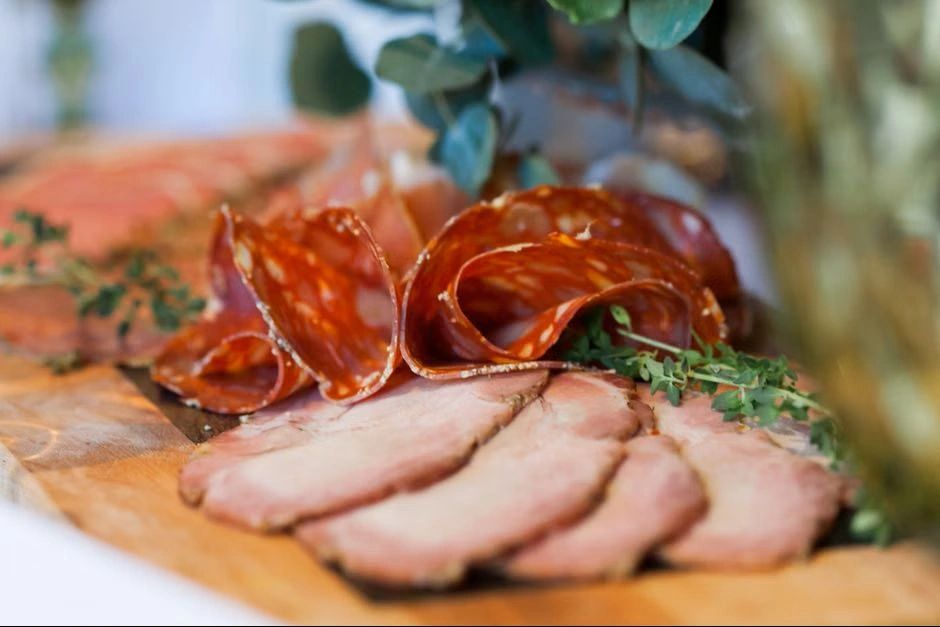
Deli meats are pre-cooked, cured, or smoked proteins sliced thin and served in sandwiches, on charcuterie boards, or as quick high-protein snacks. Here are the most popular types you’ll find at a full-service deli counter:
Type Style Best Used For Turkey Roasted or smoked Sandwiches, wraps Ham Honey, Virginia, or smoked Breakfast, sandwiches Roast Beef Seasoned and slow-roasted Hot or cold sandwiches Salami Cured and air-dried Charcuterie, pizza, snacking Pepperoni Spiced and smoked Pizza, antipasto Prosciutto Salt-cured and aged Charcuterie, appetizers Pastrami Brined, smoked, and steamed Classic deli sandwiches Bologna Cooked and emulsified Everyday sandwiches
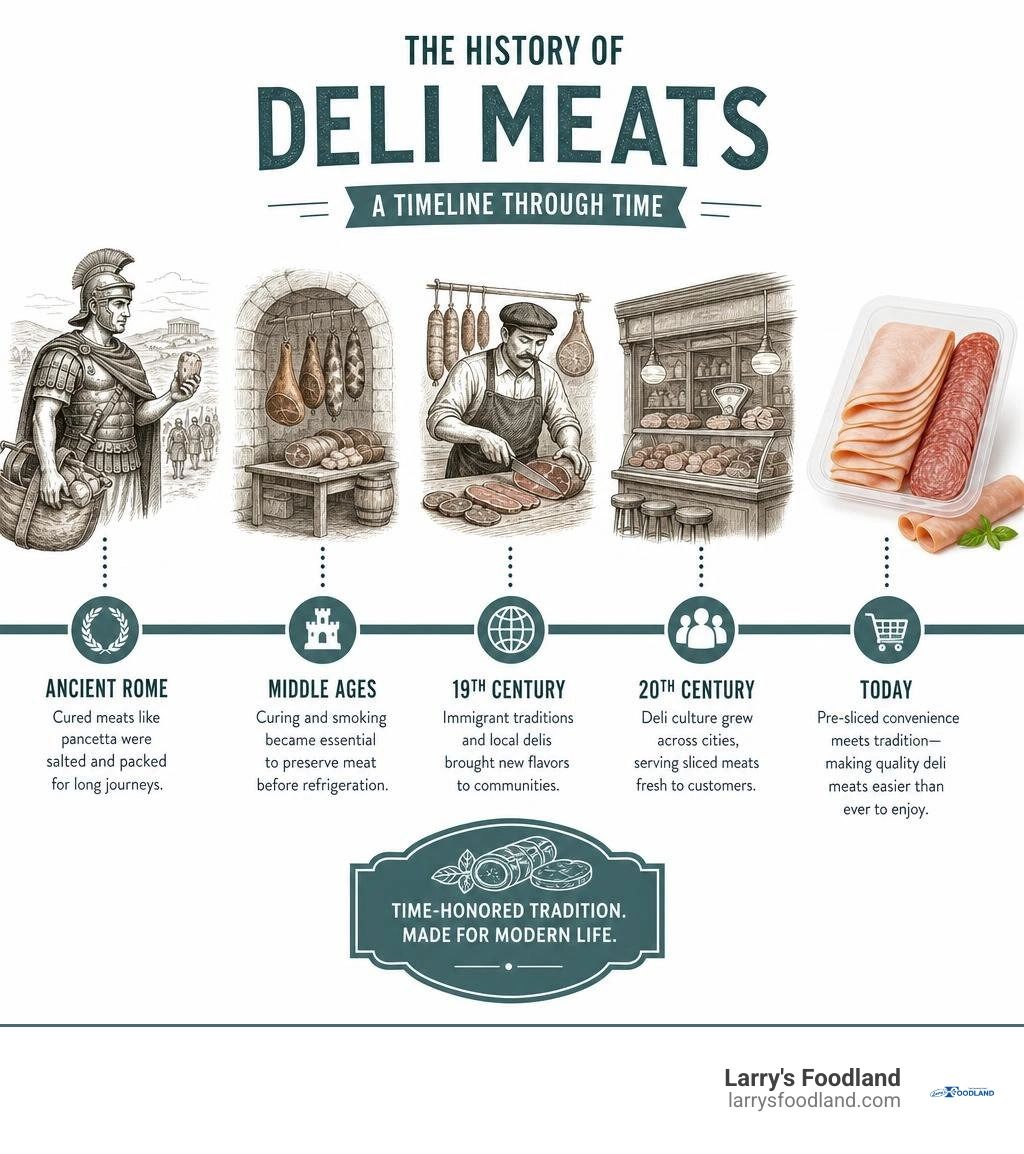
From Roman legionaries packing pancetta on long marches to the towering pastrami sandwiches of New York’s iconic delis, deli meats have fed people across centuries and cultures. Today, they remain one of the most practical, protein-rich foods you can keep on hand.
The category has also changed a lot in recent years. Modern production methods have cut fat and sodium significantly while preserving the bold flavors people love. And with options ranging from budget-friendly bologna to premium prosciutto aged in the Italian countryside, there’s something for every taste and budget.
This guide covers everything — popular varieties, prices, nutrition, quality certifications, and how to work cold cuts into a healthy diet at any age.
Slicing the Market: Popular Types of Deli Meats
Step up to any modern counter and you will be greeted by a mouthwatering array of options. The world of deli meats is incredibly diverse, spanning from simple, clean poultry cuts to deeply complex, dry-cured Italian delicacies.
At our full-service Deli counter, we see how different styles of cold cuts satisfy different culinary needs. Let’s break down the heavy hitters:
- Turkey Breast: The undisputed champion of the modern lunchbox. Whether you prefer it oven-roasted, hickory-smoked, honey-glazed, or rubbed with bold Cajun spices, turkey is loved for its exceptionally lean profile and clean, mild taste.
- Ham: A versatile classic that balances sweet and savory notes. From sweet maple and honey-cured hams to rustic, smoky Virginia-style hams, this pork staple is a favorite for both cold sandwiches and hot breakfast biscuits.
- Roast Beef: For those who crave deep, savory satisfaction. Premium roast beef is seasoned with garlic, salt, and pepper, then slow-roasted to medium-rare perfection. It should be sliced paper-thin so it melts in your mouth.
- Salami: A dry-cured masterpiece. Salami (such as Genoa or Hard Salami) is made from ground pork or beef mixed with garlic, wine, and spices, which is then air-dried to develop its signature tangy flavor.
- Pepperoni: Known primarily as a pizza topping, but sliced thin at the counter, it adds a spicy, smoky kick to Italian sub sandwiches and party platters.
- Prosciutto: The ultimate luxury. This Italian classic consists of whole pork legs rubbed with salt and aged for months—sometimes years—resulting in a delicate, buttery texture and savory flavor.
Sliced Deli Meats for Quick Delivery and Pickup
As we move through July 2026, busy lifestyles are continuing to reshape how we shop for groceries. More than ever, convenience is driving the market. According to recent industry data published in Consumers favoring pre-sliced deli meat | The National Provisioner, there has been a massive shift in consumer behavior. While traditional service counters still have their loyalists, sales of pre-sliced, grab-and-go deli meats have surged, showing strong year-over-year growth in both dollar sales and volume.
Why the sudden shift? It all comes down to time. Shoppers love skipping the deli counter line. Grabbing a pre-sliced package of premium turkey or Genoa salami that has been sealed for freshness gives you the exact same high-quality meat in a fraction of the time.
Additionally, packaging innovations have made a big difference. Many modern pre-sliced tubs and pouches are designed to extend shelf life naturally, and some even double as microwave-safe or oven-safe heating vessels. If you are planning a busy week, you can easily browse our Weekly Sales Ad to find great deals on these convenient, pre-sliced favorites for same-day pickup or delivery.
Price Per Pound Variations Across Popular Deli Meats
When planning your weekly meals or putting together a party platter, it helps to understand why prices vary so much across the deli case. You might pay $6.00 a pound for basic bologna, but over $25.00 a pound for imported prosciutto.
The price of deli meats is determined by three main factors: the cost of the raw meat, the complexity of the preparation process, and the time required for aging. Whole-muscle cuts (like roast beef) and dry-cured meats that require months of climate-controlled aging (like salami and prosciutto) naturally command higher prices than emulsified or quickly cooked meats.
Here is a general price-per-pound comparison to help you budget for your next sandwich run:
Deli Meat Type Average Price Range (per lb) Why the Price Differs? Prosciutto (DOP/Premium) $18.00 – $30.00+ Requires up to 2 years of aging, strict geographic sourcing, and high labor costs. Salami & Pepperoni $9.00 – $16.00 Dry-curing and fermentation take several weeks to months to develop flavor. Roast Beef $11.00 – $17.00 Uses premium, whole-muscle beef cuts that are carefully trimmed and slow-roasted. Turkey & Ham $7.00 – $13.00 Quick cooking times and high yields keep these classic proteins highly affordable. Bologna & Lunch Loaves $4.00 – $7.00 Emulsified meats with simpler processing methods, offering maximum budget value.
The Traditional Art of Making Authentic Pastrami
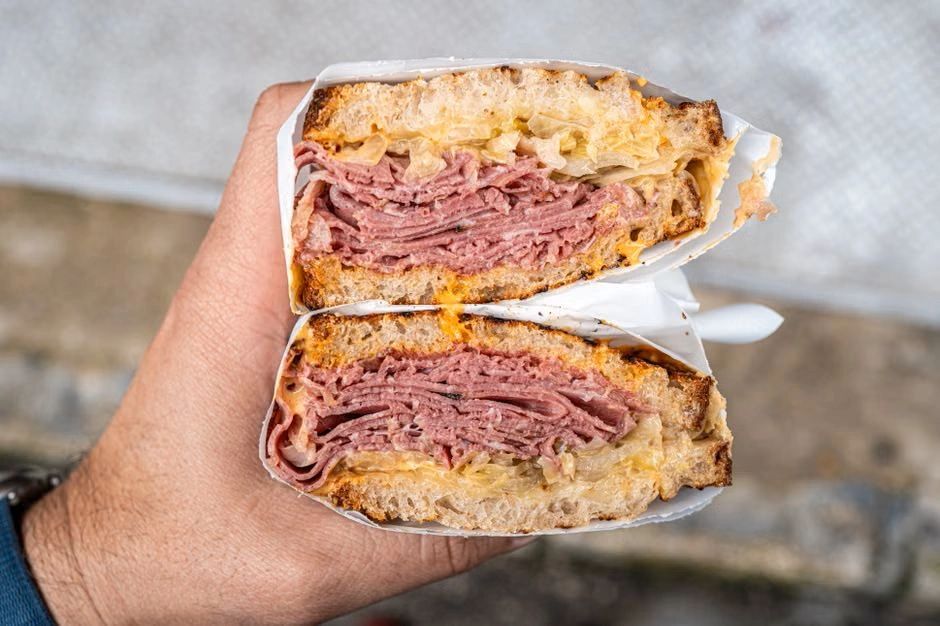
There is something magical about a hot pastrami sandwich. The meat is tender, juicy, and packed with a complex blend of smoke, salt, and spice. But authentic pastrami is not something you can rush. It is the result of a time-honored, multi-week craft that has been preserved by historic Jewish delis for over a century.
While you can purchase quick-cooked, mass-produced pastrami, it simply cannot compare to the real deal. Traditional pastrami is made from the beef plate or “navel” cut—a naturally marbled, fatty cut of meat that becomes incredibly tender and flavorful when subjected to the slow, traditional curing process.
The 6-Step Traditional Preparation Process
To understand why artisan pastrami tastes so spectacular, you have to look at the labor-intensive steps required to make it:
- Brining (The Pickling Phase): The journey begins with a deep brine. The beef navel is submerged in a seasoned saltwater solution containing garlic, coriander, black pepper, and curing salts. This process takes a full three weeks to ensure the cure penetrates to the very center of the meat, preserving it and building a flavorful foundation.
- The Spice Rub: Once cured, the meat is removed from the brine and coated in a thick, coarse dry rub. The signature pastrami crust relies heavily on cracked black pepper and crushed coriander seeds, along with a secret blend of garlic, mustard seed, and other warm spices.
- Slow Smoking: The spiced meat is transferred to a smokehouse, where it is slow-smoked over hardwood (usually hickory) for three days. This step infuses the meat with a deep, woody aroma and partially cooks it, setting the spice crust in place.
- Boiling: Because the navel is a tough, fatty cut, it requires moist heat to break down the connective tissue. The smoked pastrami is boiled in water for roughly three hours until it starts to tenderize.
- Steaming: Before serving, the pastrami is placed in a steam cabinet. Steaming melts the remaining fat, transforming the meat into a velvet-soft, melt-in-your-mouth delicacy.
- Hand-Carving: Slicing is an art form in itself. A machine slice can strip the meat of its juices, so traditional carvers slice the hot pastrami by hand using long, razor-sharp knives. Slicing against the grain at a slight angle ensures every slice is tender and structurally perfect for sandwich construction.
If you want to experience this legendary NYC-style craft at home, you can order authentic, slow-cured meats directly from world-famous institutions. You can find ready-to-eat options like Katz’s Deli | Sliced Pastrami – NYC’s oldest deli or purchase a slab to steam and carve yourself with Katz’s Deli | Whole Pastrami – NYC’s oldest deli .
Nutritional Evolution and Health Profile of Modern Cold Cuts
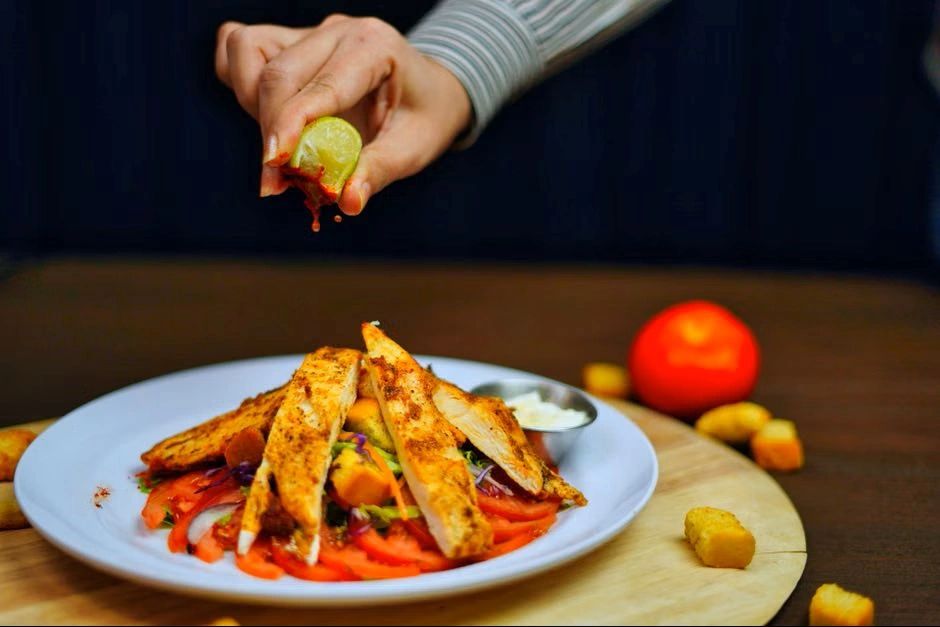
For a long time, cold cuts carried a reputation for being high in fat, cholesterol, and sodium. While that may have been true in the mid-20th century, the nutritional landscape of deli meats has undergone a quiet revolution over the past two decades. Driven by consumer demand for healthier options, food scientists and traditional producers alike have worked to reformulate recipes without sacrificing flavor.
Modern slicing meats are now leaner, cleaner, and more nutritionally dense than ever before. By selecting high-quality whole cuts, trimming away excess outer fat, and using advanced curing techniques, producers have successfully aligned these convenient proteins with modern dietary guidelines.
Italian Cold Cuts: 20 Years of Nutritional Improvements
Some of the most impressive nutritional advancements have occurred in the heart of traditional Italian charcuterie. Italian producers have proven that you can embrace modern health standards while strictly adhering to centuries-old recipes.
According to extensive research detailed in the official guide on DELI MEATS , Italian cold cuts have seen dramatic improvements in their fat, sodium, and cholesterol profiles over the last twenty years:
- Fat Reduction: Cooked ham (prosciutto cotto) has almost halved its fat content in less than 20 years, dropping from 14.7g to 7.6g of fat per 100g—a massive 48% reduction.
- Cholesterol Drops: The cholesterol content in prosciutto cotto fell by 22% (dropping from 62mg to 49mg per 100g). Even rich favorites like Mortadella Bologna now contain only about 70mg of cholesterol per 100g, which is highly comparable to skinless chicken breast or sea bass.
- Sodium Reductions: Between 1993 and 2011, salt content in Italian deli meats was reduced by anywhere from 4% to 47% depending on the specific product, thanks to precise temperature controls during curing.
- Essential Vitamins & Fatty Acids: Modern Italian cured meats are excellent sources of highly bioavailable micronutrients. For example:
- A single 50g portion of prosciutto cotto provides 30% of the recommended daily amount (RDA) of Vitamin B1.
- A 50g serving of trimmed Prosciutto di San Daniele DOP covers 43% of the RDA for Vitamin B6.
- A 50g portion of Bresaola della Valtellina IGP supplies 15% of your daily Vitamin B12 requirement.
- Even rolled pancetta (pancetta arrotolata) provides healthy fats, with a 50g portion delivering 35% of the suitable daily intake of linoleic acid (omega-6).
Comparing Deli Proteins to Chicken and Fish
When we think of clean protein, we often picture grilled chicken breast or a piece of baked salmon. While those are fantastic options, high-quality deli meats hold their own in head-to-head nutritional comparisons, offering incredible protein density with unmatched convenience.
Let’s look at how they stack up:
- Protein Density: Lean deli meats like turkey breast and bresaola (air-dried beef) are almost pure protein. Bresaola, for example, contains around 30 grams of protein per 100g, which actually beats out grilled chicken breast (around 27g of protein per 100g).
- Micronutrients: Red meat-based cold cuts like roast beef and bresaola are packed with highly absorbable heme iron and zinc, which are crucial for energy production and immune health. Fish is famous for vitamin D and omega-3s, but cured meats are powerhouse sources of B-complex vitamins (B1, B6, and B12) that support brain function and metabolism.
- Caloric Efficiency: Depending on the product, a standard 50g portion of deli meat provides between 54 and 265 kcal, allowing you to easily customize your calorie intake whether you are aiming for weight loss or muscle gain.
Understanding European Quality Standards: PDO and PGI Certifications
When browsing premium cured meats, you will often spot colorful, circular seals on the packaging reading “PDO” or “PGI” (or in Italian, DOP and IGP). These are not marketing gimmicks. They are strict, legally binding European Union quality certifications designed to protect traditional food heritage, ensure authentic production methods, and guarantee geographic origin.
Italy is a global leader in this arena, boasting 36 PDO and PGI protected deli meat products, which represents about one third of the entire European heritage of protected meat products. These seals tell you that the product you are eating is the real deal—crafted in a specific region using traditional, highly monitored methods passed down through generations.
The Role of PDO and PGI in Preserving Heritage
To understand why these certifications matter, it helps to look at the strict rules behind them:
- PDO (Protected Designation of Origin): This is the most restrictive seal. For a product to earn a PDO designation, every single stage of production—from the breeding of the animals to the curing and packaging—must take place within a specifically defined geographical area using traditional, approved recipes. Examples include Prosciutto di Parma PDO and Prosciutto di San Daniele PDO.
- PGI (Protected Geographical Indication): This seal protects quality and reputation linked to a specific region, but is slightly more flexible. It requires that at least one of the production phases (such as curing or processing) takes place within the designated geographic area. A famous example is Bresaola della Valtellina PGI or Mortadella Bologna PGI.
These standards require rigorous quality control. For instance, authentic cured hams cannot use chemical additives; they rely entirely on pork, sea salt, air, and time.
To test if a ham has aged perfectly, master inspectors use a fascinating traditional technique: they insert a highly porous horse bone needle into specific points of the ham. The horse bone quickly absorbs the meat’s aroma and loses it just as fast, allowing the expert to evaluate the internal maturity and quality through smell without damaging the outer rind.
Incorporating Cold Cuts into Balanced Diets Across All Age Groups
One of the greatest strengths of deli meats is their versatility. They require zero cooking, making them an incredibly easy way to add high-quality protein to your daily meals. Whether you are assembling a quick lunch, packing a bento box, or preparing a post-workout snack, cold cuts can be seamlessly integrated into a balanced diet.
For a well-rounded meal, try pairing lean proteins with complex carbohydrates and healthy fats. You can find a wide variety of fresh, ready-to-eat side dishes, salads, and vegetable platters in our Prepared Foods section to perfectly complement your deli selections.
Tailored Nutrition for Children, Athletes, and Seniors
Because different age groups have unique nutritional needs, cold cuts can be utilized in various ways to support optimal health:
- For Children (Growth & Development): Kids need consistent protein and iron for healthy growth and brain development. Sliced turkey, mild ham, or roast beef are highly palatable, easy-to-eat options. Rolling up a slice of turkey around a cheese stick is a fun, low-carb, high-protein snack that fits perfectly into school lunchboxes.
- For Athletes (Muscle Recovery & Performance): After a grueling workout, athletes need fast, convenient protein to rebuild muscle fibers. Lean cuts like bresaola or oven-roasted chicken breast provide the necessary amino acids without clogging your diet with excess fat. Plus, the natural sodium in cured meats helps replenish essential electrolytes lost through sweat.
- For Seniors (Maintaining Muscle Mass): As we age, our bodies require more protein to combat natural muscle loss (sarcopenia). However, chewing tough meats can sometimes be difficult. Thinly sliced, tender deli hams, roast beef, and cooked hams offer an easily digestible, soft source of protein that is rich in B-complex vitamins, helping seniors maintain their strength, energy levels, and cognitive function.
Frequently Asked Questions about Cold Cuts
How long do sliced cold cuts stay fresh in the refrigerator?
For freshly sliced meats from our service counter, it is best to consume them within 3 to 5 days of purchase. To maximize shelf life, store them in airtight containers or tightly wrapped in butcher paper in the coldest part of your refrigerator (ideally at or below 40°F). For pre-packaged, vacuum-sealed deli meats, always refer to the “use by” date printed on the packaging; however, once opened, they should also be enjoyed within 3 to 5 days.
What is the difference between PDO and PGI certifications?
A PDO (Protected Designation of Origin) certification requires that all stages of production, processing, and preparation take place in one specific geographic region using traditional methods. A PGI (Protected Geographical Indication) certification is slightly more flexible, requiring that at least one of those production steps (such as the curing process) occurs in the designated region, while the raw ingredients may be sourced from a broader area.
Are modern cold cuts lower in sodium than they used to be?
Yes, significantly! Over the past twenty years, the deli industry has made massive strides in reducing sodium. For example, Italian deli producers have successfully reduced the salt content in traditional cured products by 4% to 47% since the early 1990s. This is achieved through advanced temperature and humidity controls during the curing process, allowing salt to be used much more sparingly while still ensuring food safety and exceptional flavor.
Conclusion
Whether you are building a classic triple-decker turkey club, crafting an elegant charcuterie board with PDO-certified prosciutto, or grabbing a quick high-protein snack after a long day, deli meats offer a perfect blend of rich culinary history, modern nutrition, and everyday convenience.
At Larry’s Foodland, we are proud to serve our Livonia, Michigan community with round-the-clock convenience. As a 24-hour supermarket, we are always open when you need us. Stop by our full-service Deli counter at any hour of the day or night, and our expert team will be happy to custom-cut your favorite meats and cheeses to your exact specifications. From budget-friendly family staples to premium imported delicacies, we have everything you need to make your next meal delicious.