Why Custom Cut Meats Belong in Every Kitchen
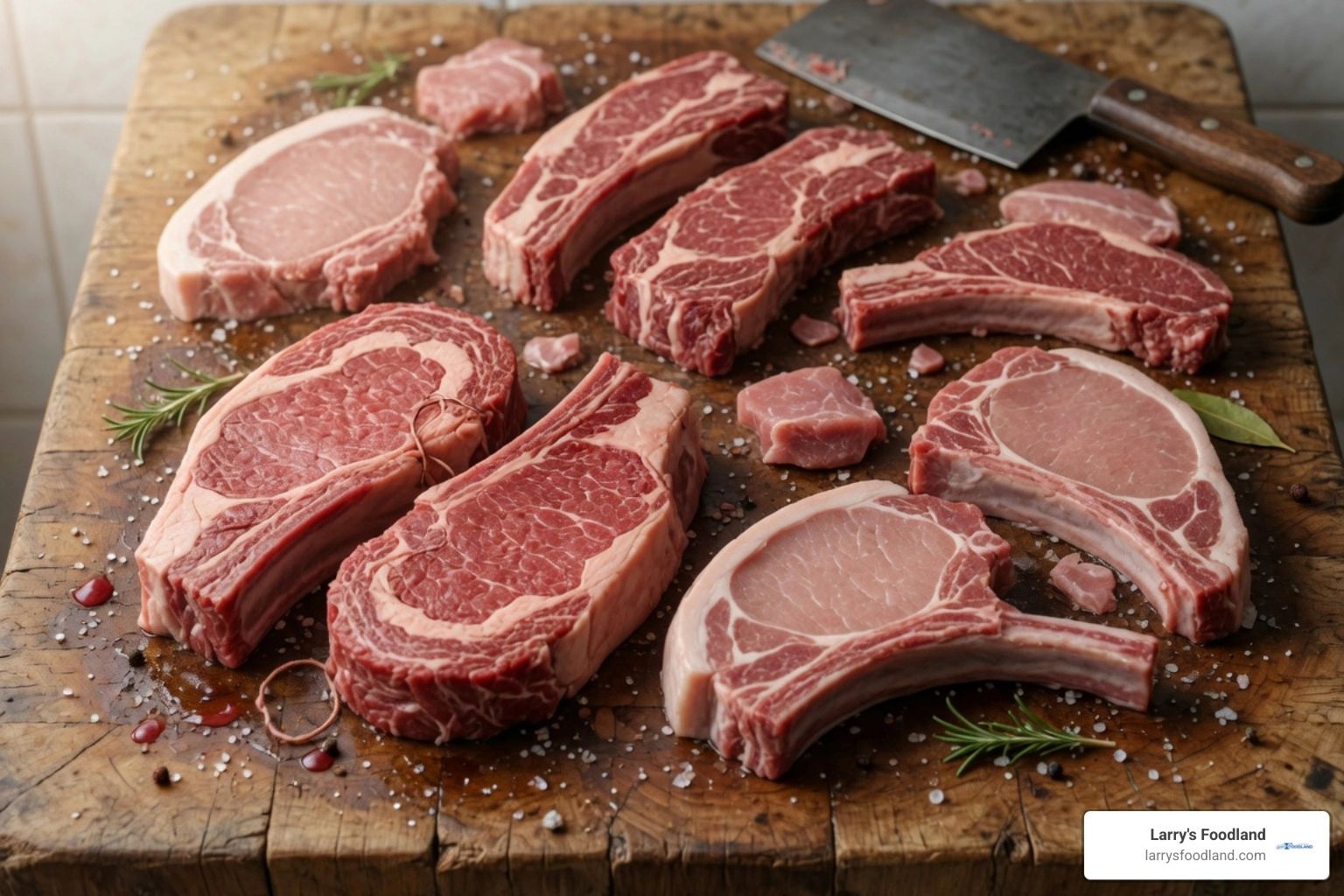
Custom cut meats are one of the best-kept secrets for home cooks, grill masters, and anyone who wants better results from every meal.
But if you just need a quick answer, here it is:
What are custom cut meats?
Custom cut meats are fresh cuts prepared to your exact specifications by a butcher — not pre-packaged to a standard size on a factory line. You choose the thickness, weight, trim level, and sometimes even the grind.
Why does it matter?
- Better results — the right cut thickness means more consistent cooking
- Less waste — you get exactly what you need, nothing more
- More value — portion control keeps your food costs predictable
- More variety — access cuts you’ll never find in a standard display case
At Larry’s Foodland, the butcher counter exists for exactly this reason. Whether you’re feeding a crowd, planning a weekend BBQ, or stocking your freezer, getting meat cut fresh to your specs makes a real difference — in flavor, in value, and in how easy it is to cook.
The sections below walk you through everything: how the process works, how to ask for what you want, and how to get the most out of every visit.
The Culinary and Financial Benefits of Custom Cut Meats
When you walk down a standard grocery aisle, the styrofoam trays of meat all start to look the same. They are cut to average thicknesses, designed to appeal to the average buyer, and packaged to hit a specific price point. But in cooking, “average” often leads to dry chops, unevenly cooked steaks, and unnecessary waste.
Choosing custom cut meats from a dedicated Butcher Shop changes the game entirely. By working directly with a butcher, you gain control over the culinary variables that define a great meal: portion control, marbling selection, and yield optimization.
From a culinary standpoint, thickness is everything. A thin steak cooks through to the center before you can develop a beautiful, caramelized crust on the outside. A custom-cut ribeye, sliced to a hefty 1.5 or 2 inches, allows you to sear the exterior to perfection while keeping the inside a juicy medium-rare. Similarly, pork chops cut with the bone-in and a generous thickness retain their natural moisture far better than thin, pre-packaged alternatives.
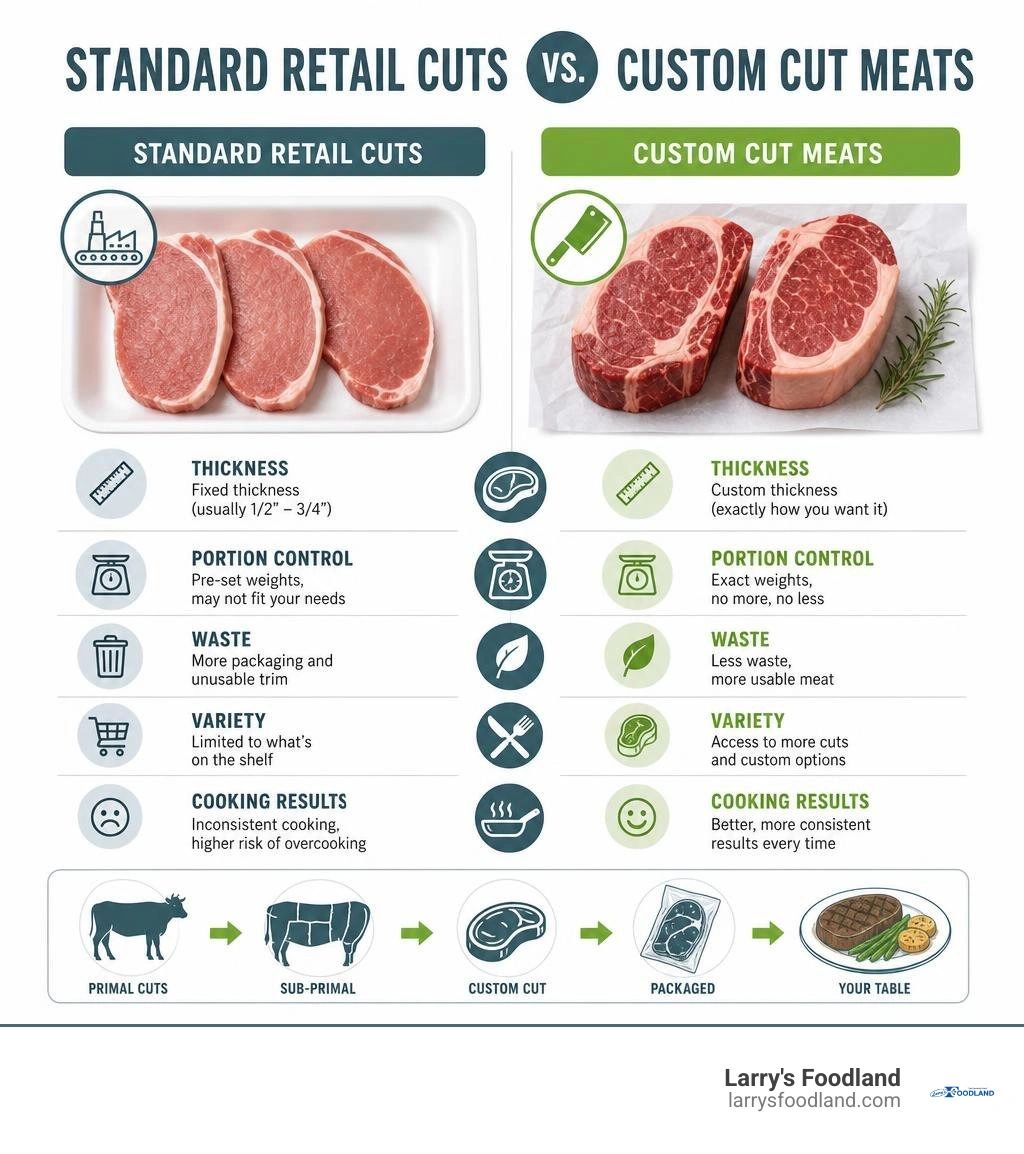
Financially, custom cutting is highly efficient. Statistics show that custom-cut meat programs help food service operators and home cooks alike reduce food costs by ensuring exact portion weights and minimizing trim waste compared to in-house or amateur cutting. Furthermore, uniform sizing from custom-cut meats improves cooking consistency and plate appearance while reducing overall labor and preparation time.
Feature Standard Pre-Packaged Retail Cuts Custom Cut Meats Thickness Control Fixed (usually 1/2 inch to 3/4 inch) Fully customizable (up to 3+ inches) Trim & Fat Cap Standardized (often leaves excess waste) Trimmed to your exact preference Cooking Consistency Variable due to uneven shapes and sizes Highly consistent; uniform heat distribution Waste Level Moderate (paying for bone/fat you don’t want) Minimal (optimized yield per dollar spent) Sourcing & Freshness Pre-packaged days in advance Cut fresh to order from whole primals
By choosing custom options, you pay only for the meat you actually want to eat. Fortunately, for those of us right here in Michigan, you can easily find us in Livonia using Larry’s Foodland – Livonia, MI to get that same traditional, hands-on service in person.
The Custom Cutting Process: From Primal to Platter
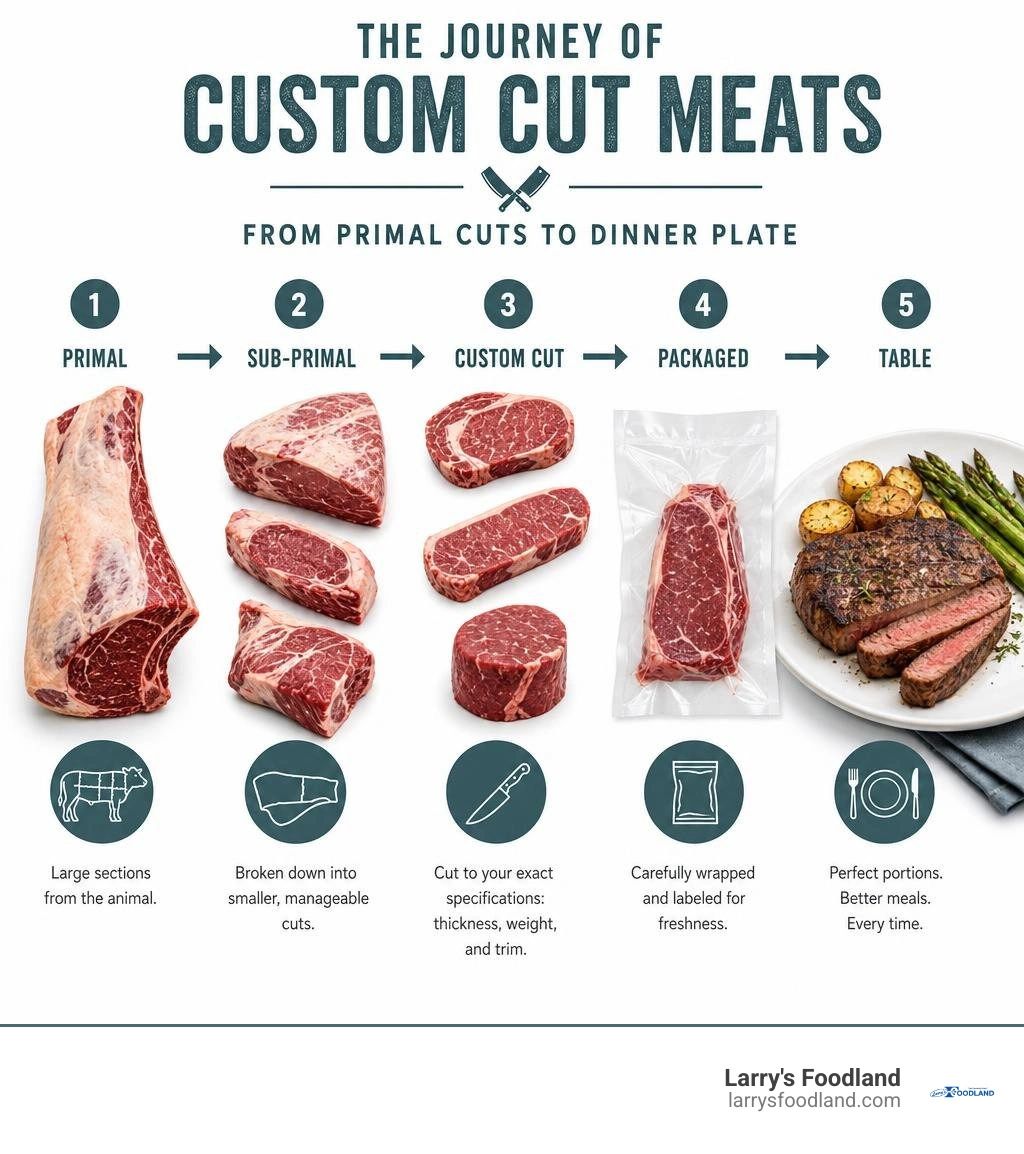
To understand why custom cutting delivers a superior product, it helps to understand how an animal is broken down. The process begins with primal cuts—the large, basic sections of the animal (such as the chuck, rib, loin, and round in beef). These primals are then divided into sub-primals, which are smaller, bone-in or boneless pieces (like the short loin or rib sub-primal).
When you order custom cuts, our butchers take these sub-primals and perform precision slicing based on your exact instructions.
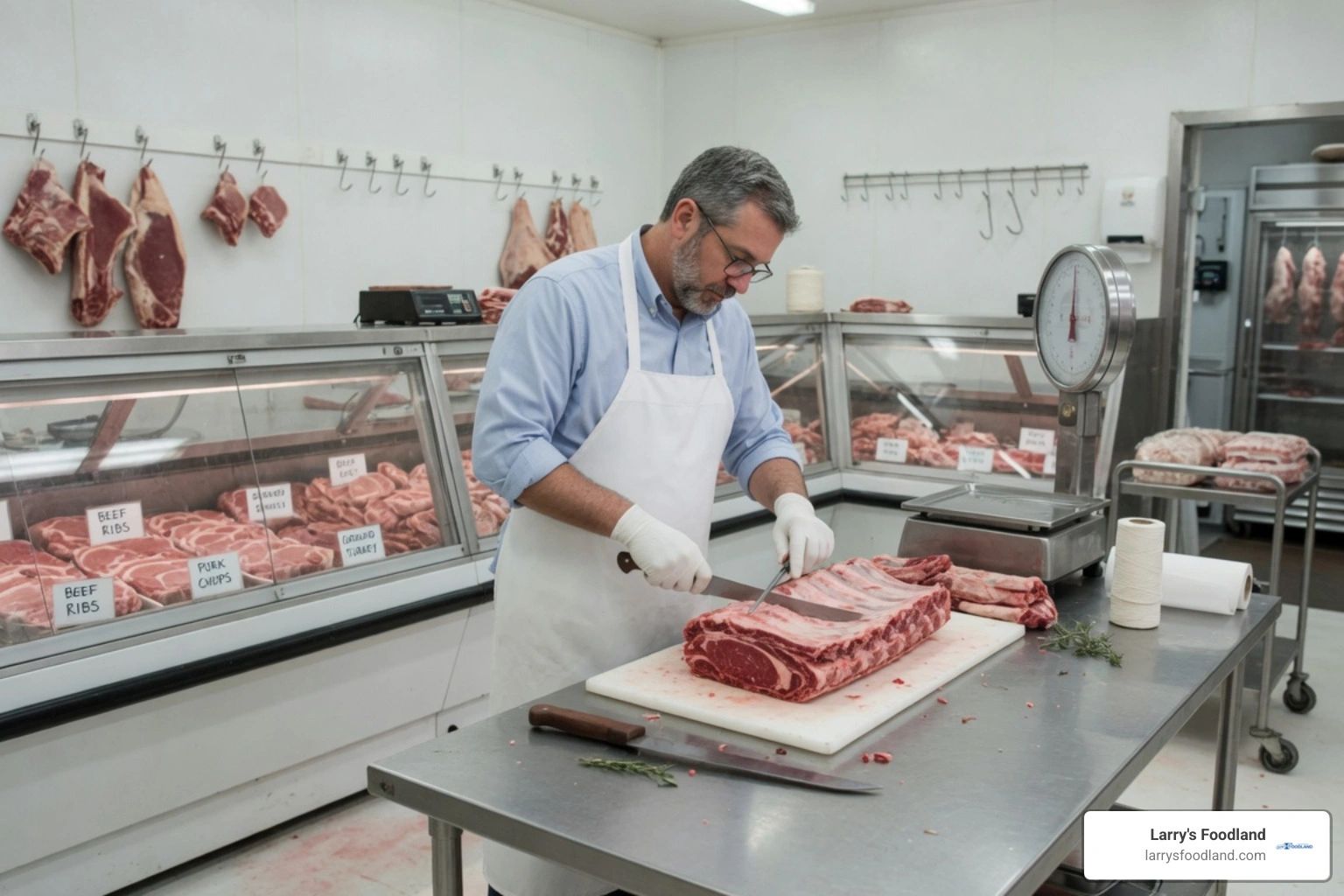
An essential part of the process for premium beef is the aging period. Aging allows natural enzymes to break down tough muscle fibers, significantly improving tenderness while concentrating the meat’s natural flavors. For example, high-end beef programs often utilize a 45-day wet aging process to guarantee an exceptionally tender and flavorful steak every single time.
Once the meat is cut and aged to perfection, it is packaged professionally to preserve its quality. While mass-produced meat is often flushed with gases to preserve its red color in plastic wrap, custom-processed meats are wrapped or sealed immediately after cutting to prevent oxidation.
In Michigan, local meat processing networks are strong, supporting agricultural production across the state. This robust local industry ensures that the expertise behind your neighborhood butcher counter is backed by generations of Great Lakes butchery heritage.
How to Specify Your Custom Cuts
Walking up to a busy butcher counter can feel a little intimidating if you do not know the terminology. However, getting exactly what you want is simple when you focus on four key specifications:
- Steak Thickness: Instead of ordering by weight, order by thickness. A 1.5-inch steak is generally considered the sweet spot for grilling, while a 2-inch steak is perfect for the reverse-sear method.
- Roast Size: Specify your roast by the number of people you plan to feed or by the number of ribs (e.g., a “three-bone prime rib roast”). As a rule of thumb, estimate about 1 pound of bone-in roast or 1/2 pound of boneless roast per person.
- Custom Grind Preferences: Don’t settle for mystery ground beef. You can ask for a custom blend of chuck and brisket for your burgers, or specify a lean-to-fat ratio (such as 80/20 for juicy burgers or 90/10 for sauces).
- Fat Cap Thickness: The fat cap is the layer of hard white fat sitting on top of roasts, briskets, and pork shoulders. For slow smoking, ask for a consistent 1/4-inch fat cap to keep the meat basted and moist throughout the long cook.
While detailed cut sheets are often designed for processing whole or half animals, they illustrate the incredible variety of options available when you step away from the pre-packaged meat case.
Packaging and Labeling for Maximum Shelf Life
The way your meat is packaged is just as important as how it is cut. Without proper protection, oxygen and moisture loss will quickly cause freezer burn, ruining the texture and flavor of your premium cuts.
Traditional butcher wrap—using high-quality peach paper or waxed paper—is excellent if you plan to cook the meat within a few days. It allows the meat to breathe slightly without drying out. However, for long-term storage, vacuum sealing is the gold standard.
Vacuum sealing removes all air from the packaging, creating an airtight barrier that prevents ice crystals from forming on the surface of the meat. This process extends the freezer life of beef and pork from a few months to several years.
Furthermore, vacuum-sealed custom-cut programs extend shelf life and help prevent cross-contamination, significantly lowering food safety risks for both home kitchens and professional restaurants. Proper labeling—clearly marking the cut name, weight, and packaging date—makes inventory tracking simple, ensuring you always use your oldest cuts first.
Professional vacuum packaging and clear labeling are the ultimate safeguards for protecting your meat investment.
Understanding USDA Beef Grades and Meat Quality
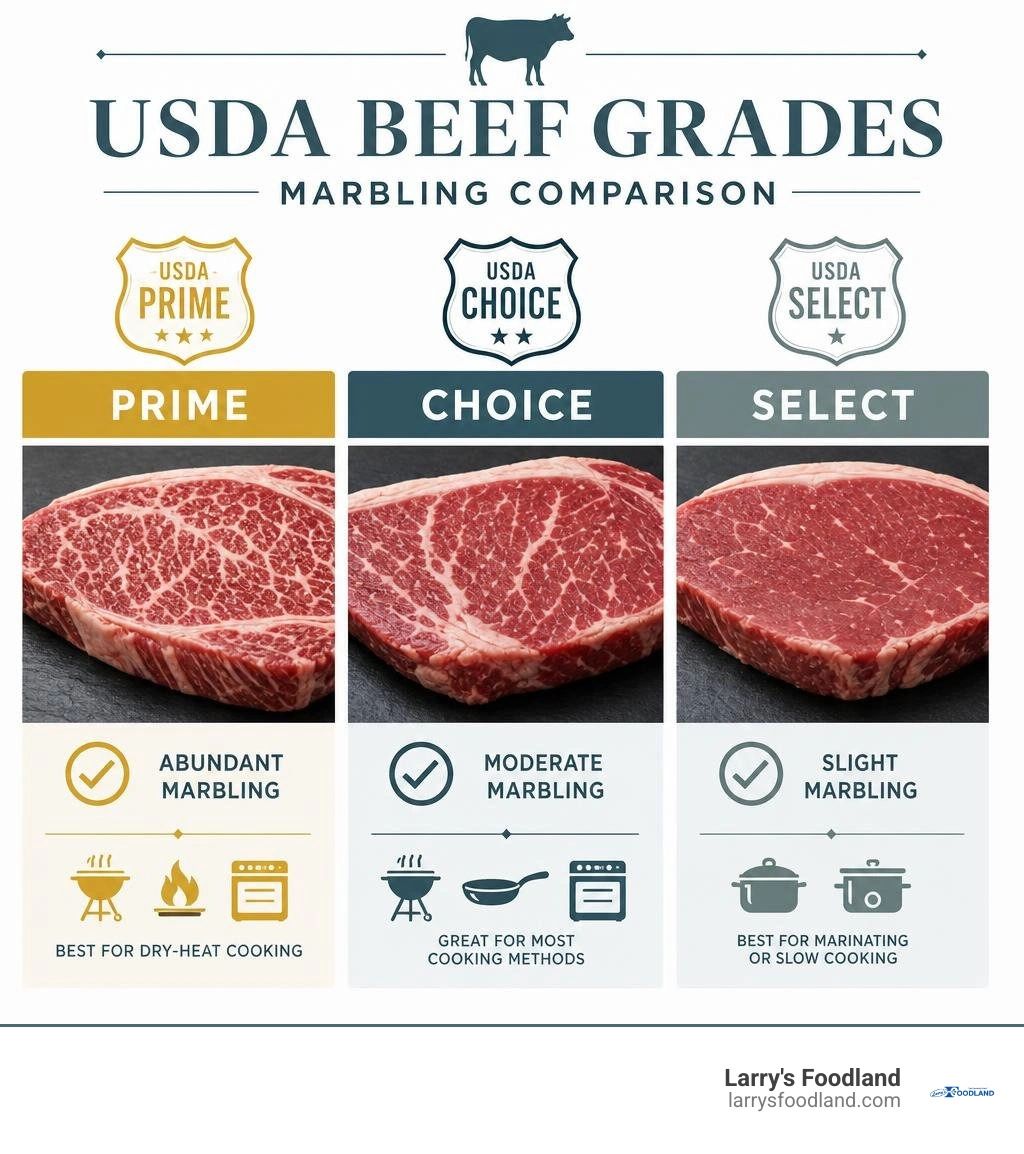
When buying beef, understanding quality grades is essential for getting the right cut for your cooking method. The United States Department of Agriculture (USDA) grades beef based on two main criteria: tenderness, juiciness, and flavor (determined by marbling); and the age of the animal.
- USDA Prime: The highest grade, featuring abundant marbling (the flecks of white fat dispersed within the lean muscle). Prime beef is incredibly tender and juicy, making it perfect for dry-heat cooking methods like grilling, broiling, or roasting.
- USDA Choice: High quality with slightly less marbling than Prime. It is highly versatile and tender. Premium beef programs often select only the top 3% of Choice cuts with moderate to abundant marbling to ensure a near-Prime eating experience at a more accessible price point.
- USDA Select: Leaner than Choice and Prime. It is great for marinating or braising, but can dry out quickly if overcooked on the grill.
All custom-cut meats must also adhere to strict food safety guidelines. USDA-inspected facilities follow Hazard Analysis Critical Control Point (HACCP) systems to monitor temperature control, sanitation, and safety at every stage of production. This dedication to quality reflects our community’s high standards for fresh, safe, and delicious foods.
Specialty Counter Services: Sausages, Custom Blends, and Holiday Cuts
A great butcher counter is more than just a place to get steaks sliced. It is a hub of culinary craftsmanship, offering specialty services that save you time in the kitchen and elevate your home cooking.
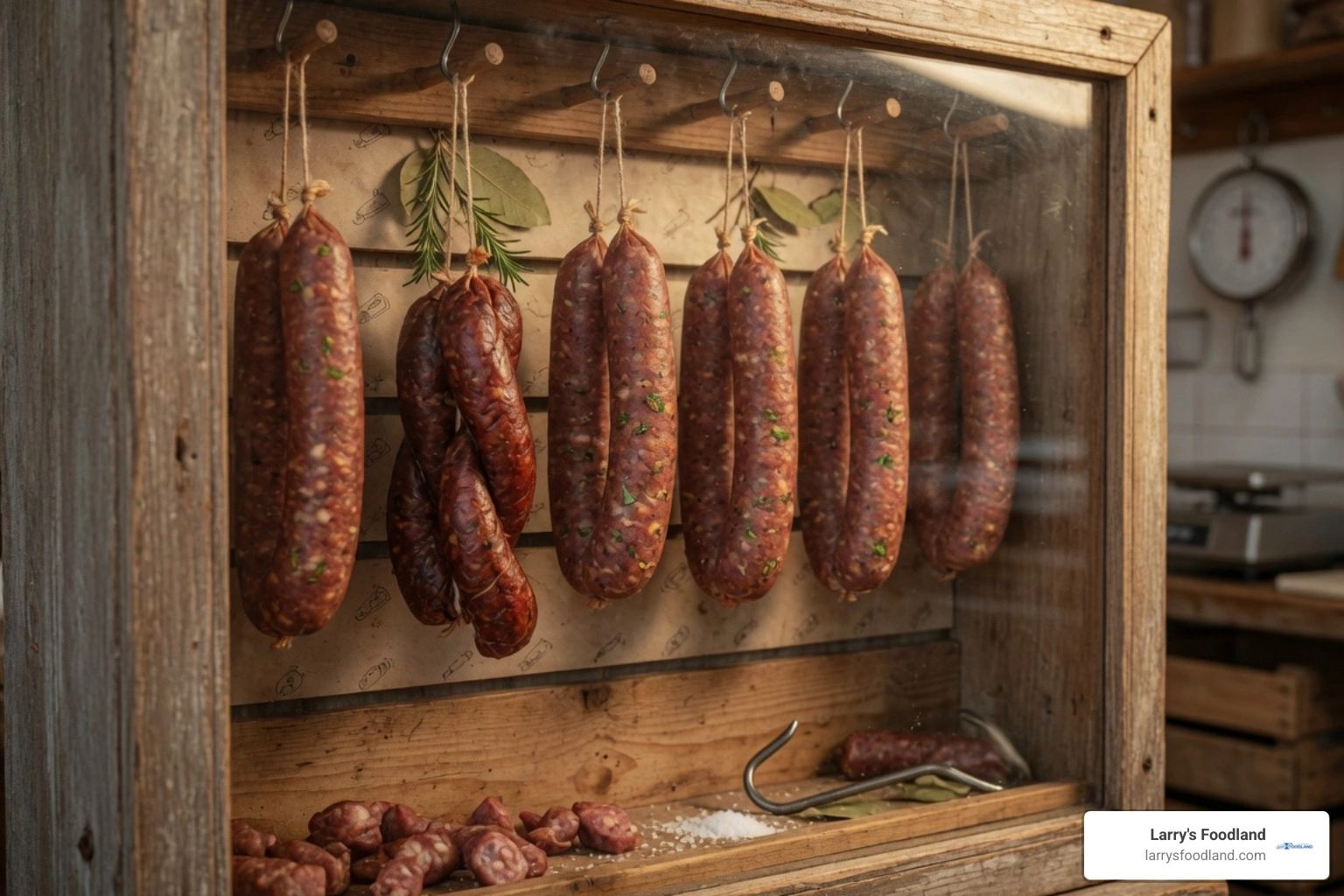
One of the highlights of a full-service counter is custom sausage making. Crafting sausages in-house allows butchers to use premium, natural meats and fresh spices without relying on artificial fillers, MSG, or gluten. From sweet Italian pork sausage to specialty chicken varieties like spinach and feta, these small-batch creations offer unbeatable freshness.
Other specialty services include:
- Custom Burger Grinds: Elevate your next backyard cookout with a custom blend of short rib, brisket, and chuck ground fresh daily.
- Holiday Roasts: Whether it is a stunning crown roast of pork, a perfectly tied French rib roast, or a holiday ham, custom prep ensures your centerpiece looks as good as it tastes.
- Seasonal Offerings: From pre-marinated kabobs in the summer to hearty stew meats and custom-cut shanks in the winter, the counter adapts to how you cook throughout the year.
Elevating Your BBQ with Custom Cut Meats
If you are a barbecue enthusiast, you already know that great BBQ starts long before you light the charcoal. It starts at the butcher counter. Standard supermarket cuts simply do not hold up to the low-and-slow smoking process.
Take brisket trimming, for example. A whole packer brisket consists of two distinct muscles: the flat and the point. A standard supermarket flat is often trimmed too lean, causing it to dry out during a 12-hour smoke. A custom butcher can trim the brisket to leave a uniform 1/4-inch fat cap, which melts during the cook to keep the meat incredibly juicy.
For beef ribs, ask for dino-ribs (beef plate short ribs). These are cut from the lower portion of the rib cage, featuring thick, beautifully marbled meat sitting on top of massive bones. When smoked, they become incredibly tender and rich.
For pork shoulder, a custom-cut bone-in Boston butt with the fat cap scored allows your dry rub to penetrate deep into the meat while keeping the shoulder moist. Pair these premium cuts with the right smoking woods—like hickory for pork or post oak for beef—to unlock competition-quality barbecue in your own backyard.
How to Order from the Larry’s Foodland Butcher Counter
Ordering custom cuts doesn’t have to be complicated. Our team of experienced butchers is here to help you get exactly what you need. Here is how to make the most of your next visit:
- Talk to Us: Don’t hesitate to ask questions! Tell us what you are planning to cook, how many people you are feeding, and your preferred cooking method. We can recommend the perfect cut and prepare it on the spot.
- Be Specific: Specify your preferred thickness in inches or your roast size by weight or bone count. If you want a specific fat trim, just let us know.
- Plan Ahead for Events: If you are hosting a large gathering or need a specialty item like a holiday crown roast, giving us a little advance notice ensures we have your order prepped and ready to go.
- Explore Our 24-Hour Convenience: Life is busy, and inspiration can strike at any hour. Because Larry’s Foodland is open 24 hours, you can access our fresh departments and get top-tier service on your schedule, day or night.
Frequently Asked Questions about Custom Butchery
How long does a custom butcher order usually take?
For standard requests—like slicing steaks to a specific thickness, trimming a roast, or grinding a custom burger blend—our butchers can prepare your order right on the spot while you shop. For larger bulk orders, specialty holiday roasts, or custom sausage recipes, we recommend giving us 24 to 48 hours of notice to ensure perfect preparation.
How do I calculate how much meat to buy per person?
As a general rule, plan for 1/2 pound (8 ounces) of boneless meat per person for steaks, chicken breasts, or boneless roasts. For bone-in cuts (like ribeyes, pork chops, or bone-in roasts), increase that estimate to 3/4 to 1 pound per person to account for the weight of the bone. For hearty crowds or events where meat is the main attraction (like a backyard BBQ), lean toward the higher end of those estimates.
Can I place special orders for holiday roasts or bulk meats?
Absolutely! We specialize in custom holiday orders, including French-trimmed rack of lamb, crown roasts of pork, standing beef rib roasts, and specialty hams. We also offer bulk meat options for stocking your freezer. Simply speak with one of our butchers or call the department in advance to secure your seasonal favorites.
Conclusion
Getting the most out of your meals starts with choosing ingredients cut exactly the way you want them. From perfectly portioned, thick-cut steaks that sear beautifully on the grill to custom-trimmed briskets that stay incredibly juicy in the smoker, custom cut meats bring restaurant-quality results directly to your home kitchen.
At Larry’s Foodland, we combine this traditional butcher-shop craftsmanship with modern, 24-hour convenience. Whether you are picking up fresh produce, warm baked goods, or a custom-cut prime rib in the middle of the afternoon or the middle of the night, we are here to serve our Livonia community with the freshest quality and friendly service around the clock.
Ready to elevate your next meal? Stop by our counter today, talk to our expert butchers, and experience the difference that custom-cut quality makes.
Visit Larry’s Foodland