Livonia All Night Grocery Guide for Late Night Cravings

The Best Livonia All Night Grocery Options at a Glance

When hunger strikes at 2 a.m. or you need to stock up after a late shift, finding a Livonia all night grocery store that’s actually open – and fully stocked – makes all the difference.

Here is the confirmed option for late-night grocery shopping in Livonia, MI:

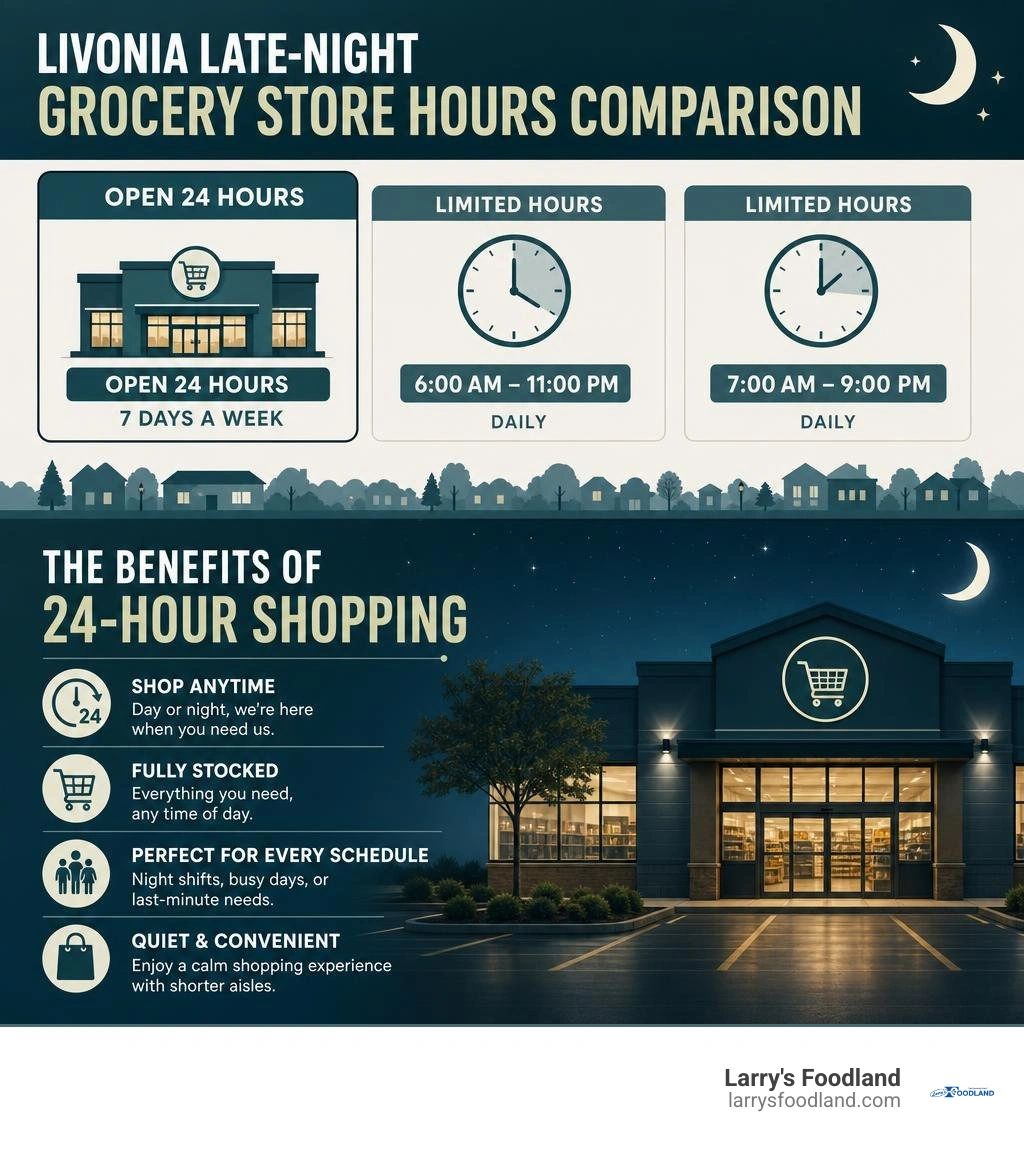
Store Address Hours Larry’s Foodland 33151 Plymouth Rd, Livonia, MI 48150 Open 24 hours, 7 days a week

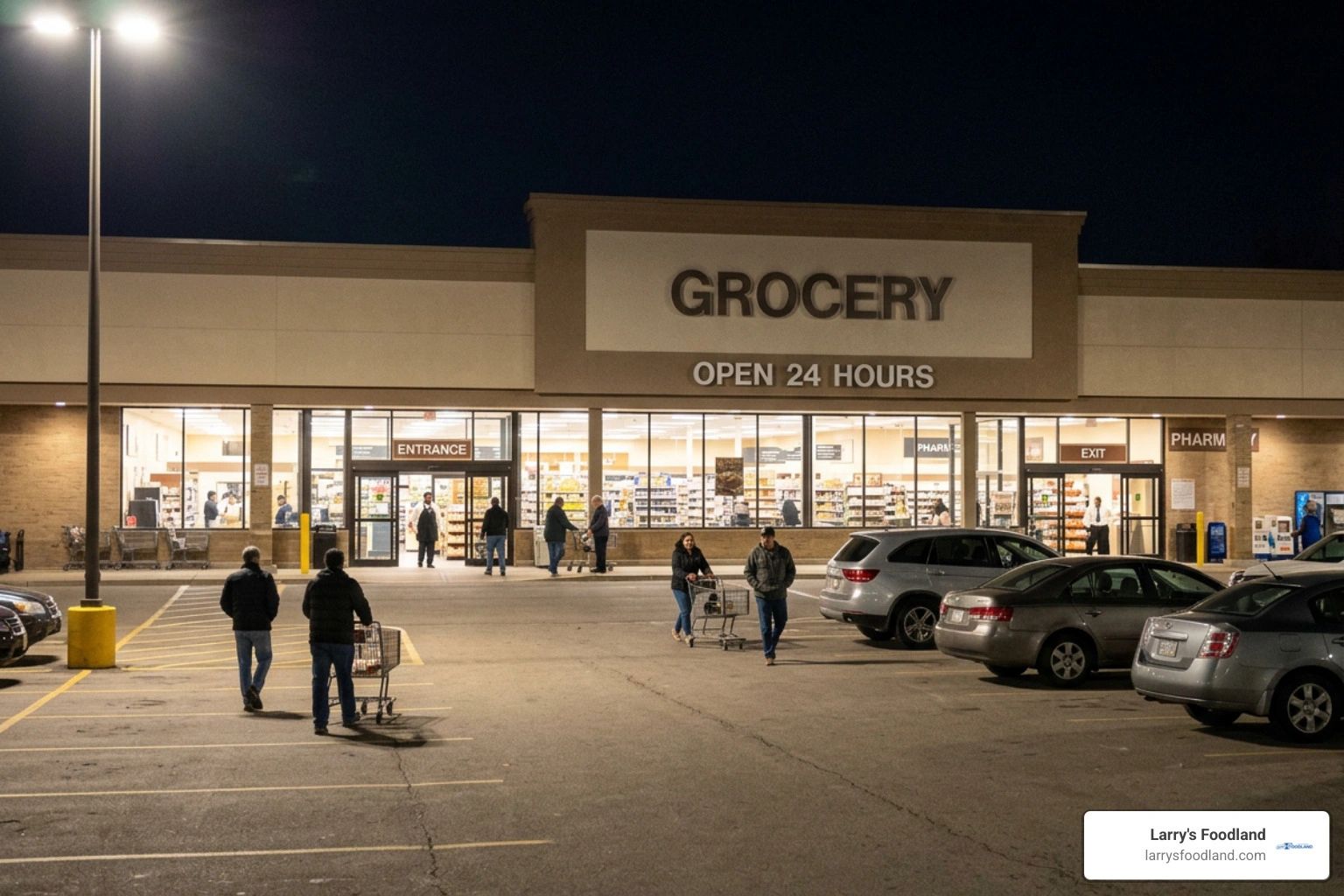
Larry’s Foodland is the only confirmed 24-hour grocery store in Livonia. It’s been a neighborhood staple for decades, offering round-the-clock access to fresh produce, deli items, bakery goods, and custom-cut meats from Michigan farms.

So if you need groceries after midnight, Larry’s is your go-to.

Whether you’re a night-shift worker grabbing essentials on the way home, a parent making an emergency late-night run, or someone who simply prefers shopping when the aisles are quiet – Livonia does have a true all-night option.
Livonia All Night Grocery Guide for Late Night Cravings

Finding the Best Livonia All Night Grocery Options

Finding a reliable Livonia all night grocery spot doesn’t have to be a midnight scavenger hunt. When many businesses have scaled back their operating hours over the last few years, having a dependable 24/7 location right in our community is a lifesaver.

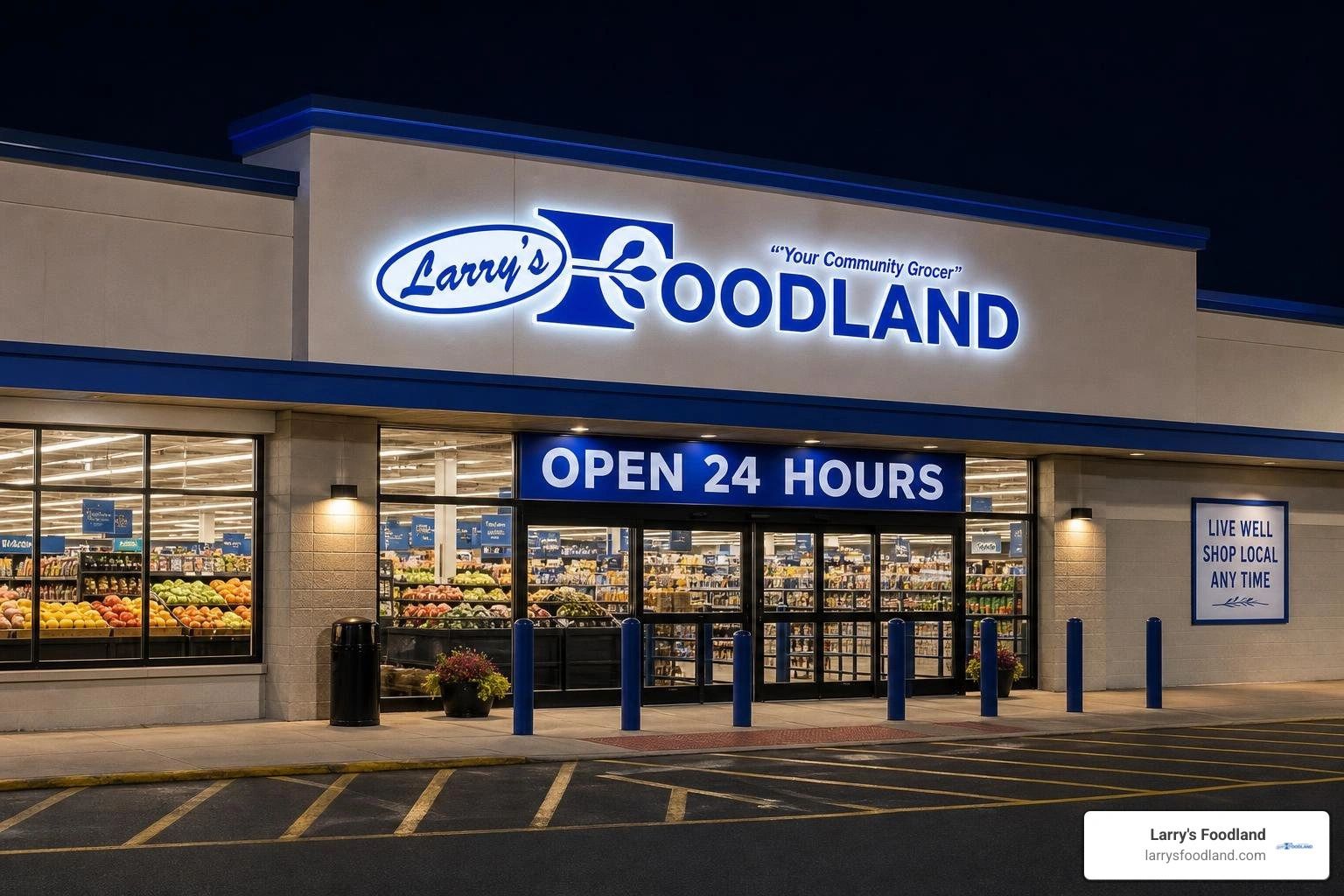
At Larry’s Foodland, we have proudly served as a 10-aisle neighborhood staple at 33151 Plymouth Road for several decades. We know that life doesn’t stop when the sun goes down, which is why we keep our doors open every single hour of the day and night.
Livonia All Night Grocery Guide for Late Night Cravings

If you are trying to navigate your way to us in the middle of the night, you can easily get turn-by-turn directions using Driving directions to Larry’s Foodland, 33151 Plymouth Rd … .

While you are planning your late-night shopping trip, keep these helpful tips in mind to get the most out of your overnight excursion:

  • Make a detailed list beforehand: When you shop at 3 a.m., it is easy to get distracted by late-night cravings. A list keeps you on track.
  • Check the weather and road conditions: Livonia winters can be unpredictable. Since we are open 24/7, you can always wait out a midnight snowstorm and visit us once the snowplows have cleared Plymouth Road.
  • Know your local landmarks: We are located right on Plymouth Road, making us highly accessible from all corners of Livonia. If you find yourself driving along Plymouth Road or navigating through the heart of Livonia, you are just a short drive away from our 24-hour location.

Why a Livonia All Night Grocery is Perfect for Night Owls

The traditional 9-to-5 schedule simply does not apply to everyone. Our community is filled with hardworking healthcare professionals, first responders, manufacturing workers, and service industry staff who wrap up their shifts long after standard supermarkets have locked their doors.

For these dedicated shift workers, a Livonia all night grocery store is not a luxury — it is an absolute necessity. Shopping at 2 a.m. allows you to reclaim your daytime hours for sleep, family, and relaxation.

Beyond shift work, overnight shopping is the ultimate hack for anyone who experiences sensory overload in crowded spaces. There are no long checkout lines, no busy parking lots, and no crowded aisles to navigate. You can stroll through our store at your own pace, enjoying a peaceful, quiet environment.

And let’s not forget those sudden, intense midnight cravings. Whether you need a specific ingredient for a late-night baking project, a comforting snack, or emergency supplies like baby formula or medicine, having a round-the-clock grocery destination nearby brings unmatched peace of mind.

What to Look For in a Livonia All Night Grocery

Not all late-night retail experiences are created equal. When you are choosing where to shop during the overnight hours, several factors should guide your decision:

  • Product Selection: A great late-night store shouldn’t just offer processed snacks and soda. You deserve access to fresh produce, high-quality meats, and everyday pantry staples regardless of the hour.
  • Store Safety and Lighting: A well-lit parking lot and a secure, welcoming indoor environment are critical for overnight shoppers. We prioritize keeping our facilities bright, clean, and safe for everyone.
  • Friendly and Respectful Staff: Overnight workers deserve a warm, welcoming shopping experience. Our team takes pride in offering friendly, helpful customer service to our night-owl regulars.
  • Clean and Organized Aisles: It is much easier to find what you need when the shelves are neatly organized and the floors are spotless.

If you ever have questions about our product availability, specific overnight services, or physical accessibility, please reach out to us directly through our Contact page.

Late-Night Shopping vs. Daytime Grocery Runs

Shopping during the day and shopping in the middle of the night are two entirely different experiences. While daytime shopping offers the hustle and bustle of a active store, overnight shopping provides a serene, highly efficient alternative.

During peak daytime hours, grocery stores can feel like a contact sport. You are constantly dodging carts, waiting in bottle return lines, and navigating busy checkout lanes. In contrast, the late-night shopping experience is incredibly relaxed. You can take your time reading ingredient labels, comparing prices, and selecting the perfect items without feeling rushed by a crowd behind you.

To help you get the most out of your budget no matter when you shop, we recommend signing up for our Loyalty Program. It is an excellent way to rack up savings on your regular grocery hauls, whether you prefer to visit us at noon or midnight.

Here is a quick look at how late-night and daytime shopping experiences compare:

Feature Daytime Shopping (7 AM – 7 PM) Late-Night Shopping (10 PM – 6 AM) Crowd Levels High; busy aisles and parking lots Extremely low; peaceful and quiet Checkout Wait Times Moderate to long Virtually non-existent Aisle Navigation Challenging; navigating around other carts Effortless; wide open spaces Staff Availability High density, but staff are often rushed Fewer staff, but highly focused and helpful Atmosphere Fast-paced and energetic Calm, quiet, and relaxing

Essential Departments to Visit During Late-Night Hours

Just because you are shopping in the middle of the night doesn’t mean you have to compromise on quality. At Larry’s Foodland, we keep our core departments fully stocked and ready to serve you 24 hours a day.
Livonia All Night Grocery Guide for Late Night Cravings

When you visit us during the late-night hours, make sure to explore these essential departments:

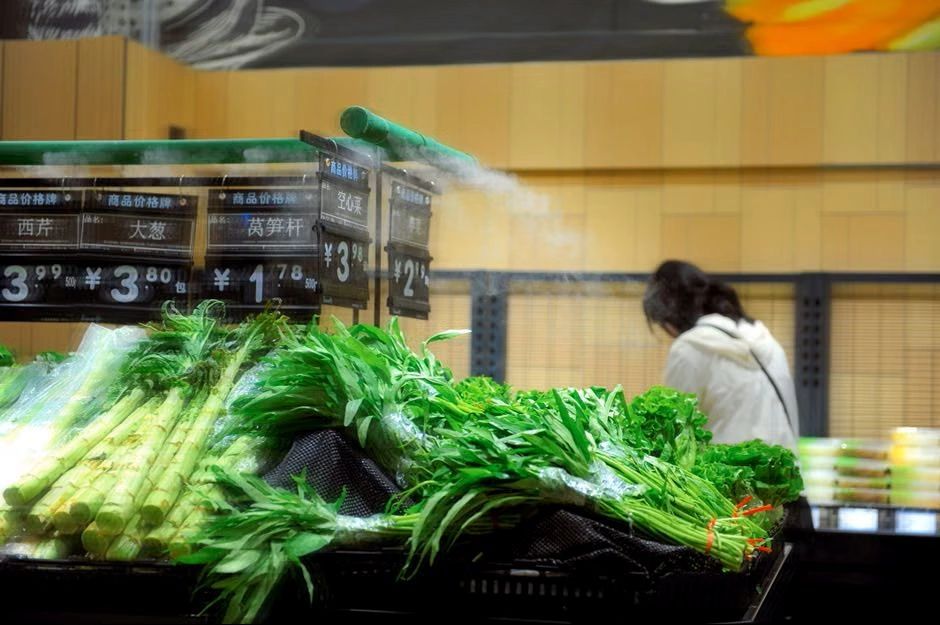
  • Fresh Produce: We stock a vibrant selection of fresh fruits and vegetables to keep your meals healthy and delicious. From crisp leafy greens to seasonal local Michigan favorites, our produce department is maintained around the clock.
  • Butcher Shop: We are incredibly proud of our custom-cut meats and poultry sourced from local Michigan farms. Whether you are planning a weekend barbecue or prepping weekday meals, our quality cuts stand out.
  • Bakery Department: Treat yourself to delicious sweet treats, fresh breads, and rolls. If you are planning a special gathering, our bakery team is known for crafting beautiful custom cakes and assorted desserts.
  • Prepared Foods: For busy families and late-shift workers, our prepared foods department offers convenient, healthy meal solutions that save you time without sacrificing nutrition.

To see what is on promotion before you head out, make sure to check out our current Weekly Sales Ad for the latest deals across all of our departments.

Frequently Asked Questions about Late-Night Shopping in Livonia

What are the typical hours for late-night grocery delivery?

If you prefer to stay cozy at home, grocery delivery can be a convenient option depending on availability in your area. In Livonia, same-day grocery delivery windows may vary by service, store participation, driver availability, and the time of day.

Delivery windows often start earlier in the day and may extend into the evening, with some late delivery options available depending on local conditions. Many services also offer contactless delivery options, allowing your shopper to leave your order right at your doorstep or apartment door.

Are specialty departments like the butcher counter open all night?

While our physical store doors remain open 24 hours a day, some specialized services within the store operate on modified schedules. Our professional butchers hand-select and prepare custom-cut meats and poultry from Michigan farms during our primary daytime and evening hours.

However, a wide variety of freshly pre-packaged custom cuts, fresh seafood, and deli items remain fully accessible in our refrigerated cases throughout the night, ensuring you can always find high-quality proteins for your midnight meals.

How do local stores accommodate senior shoppers?

We believe in taking care of the most vulnerable members of our Livonia community. During challenging times, such as the height of the coronavirus pandemic, we adapted our operations to ensure everyone could shop safely.

To support our local seniors, we established dedicated senior-only shopping hours from 8:00 a.m. to 11:00 a.m. every Thursday. This recurring service allowed older adults and high-risk individuals to shop in a deeply sanitized, low-crowd environment. We continue to prioritize community-first services to make grocery shopping accessible and safe for all.

Conclusion

A great neighborhood grocery store is more than just a place to buy food — it is a cornerstone of the local economy and a vital resource for the community. At Larry’s Foodland, we have spent decades dedicated to serving Livonia, Michigan, with round-the-clock convenience, exceptional customer service, and high-quality local products.

Whether you are a night owl, a shift worker, or simply someone who loves the peace of midnight shopping, we invite you to experience the charm of a true 24-hour neighborhood market.

Ready to plan your next grocery run? Visit our Home page to learn more about our store history, explore our departments, and see how we continue to support the wonderful city of Livonia.

Stop by today or tonight — we are always open and ready to welcome you!

https://larrysfoodland.com/home
ask-larry-logo[1]

Have a question?Ask larry

Looking for a product? Need help planning an event? Want to place a special order?

Our team is here to help.

Submit your question and we'll get back to you as quickly as possible.

Ask Larry

The Ultimate Guide to Cured Deli Meat and Cold Cuts

What Is Cured Deli Meat? A Quick Guide to Cold Cuts

Cured deli meat is any meat that has been preserved using salt, sugar, nitrates, or a combination of these ingredients to extend its shelf life and develop its flavor.

Here’s a quick overview of what you need to know:

  • What it is: Meat preserved through salting, smoking, fermenting, or drying
  • Common types: Salami, prosciutto, pepperoni, pancetta, pastrami, mortadella
  • How it works: Salt draws moisture out of the meat, making it harder for bacteria to grow
  • Shelf life: Several months unopened; 7–14 days refrigerated after opening
  • Key difference from uncured: Uncured meats use natural sources of nitrates (like celery powder) instead of synthetic ones — but they still go through a curing process

Whether you’re building a charcuterie board, packing a sandwich, or just stocking your fridge, understanding what’s behind the deli counter makes a real difference.

Curing is one of the oldest food preservation methods in the world. Long before refrigerators existed, people used salt and smoke to keep meat safe for months at a time. Today, that same tradition lives on in everything from thin-sliced prosciutto to bold, spiced salami.

This guide covers everything you need to know — from how the curing process actually works, to the health considerations worth knowing about, to how to store and serve these meats at their best.

The Ultimate Guide to Cured Deli Meat and Cold Cuts

What is Cured Deli Meat and How Does Curing Work?

When we walk up to a deli counter, we are looking at thousands of years of human culinary ingenuity. At its core, cured deli meat is meat that has undergone a specialized preservation process designed to prevent spoilage and elevate flavor. But how exactly does this magic happen?

To understand curing, we have to look at the microscopic level. The primary threat to fresh meat is microbial growth—specifically bacteria, mold, and yeast that thrive in moist, nutrient-rich environments. The fundamental goal of Curing (food preservation) is to eliminate this moisture, making the meat an incredibly hostile environment for these unwanted microscopic guests.

The Ultimate Guide to Cured Deli Meat and Cold Cuts

The primary driver of this process is osmosis. When we apply salt to raw meat, it creates a highly concentrated environment on the exterior. To balance this concentration, water molecules inside the meat’s cells are drawn outward. As moisture is steadily removed, the water activity ($a_w$) of the meat drops.

Historically, this was the ultimate survival hack. Ancient civilizations, from the Romans exporting salt pork to feed their massive armies to Indigenous populations smoking meat at the top of their tipis, relied on curing to survive seasons of scarcity. By drawing out the water, they extended the shelf life of their proteins from a few days to several months.

Today, while we have the luxury of modern refrigeration, we still cure meat because the process does something spectacular to the flavor and texture. As water evaporates, the natural flavors of the beef, pork, or poultry become highly concentrated. Concurrently, beneficial biochemical changes occur: enzymes break down complex proteins into savory amino acids (like glutamate, which gives us that deep umami sensation), and fats oxidize into complex, aromatic compounds.

The Science of the Curing Process

To appreciate the craft of the modern charcutier, we have to dig slightly deeper into the science. Curing is not just about dumping a bucket of table salt onto a pork shoulder. It is a carefully calibrated chemical dance involving salt, sugar, nitrates, nitrites, and sometimes smoke.

According to technical standards like the HP-FS-9047 Processing Guidelines for Ready to Eat Meat , maintaining precise chemical thresholds is critical for both food safety and quality. Let’s break down the roles of these key ingredients:

  • Salt (Sodium Chloride): The undisputed king of curing. Salt dehydrates the meat, alters cellular structure to inhibit foodborne pathogens, and extracts myofibrillar proteins, which help bind ground meat products (like sausages) together.
  • Sugar: Often added to balance the harshness of the salt. Sugar also serves as a food source for beneficial lactic acid bacteria during fermentation, which lowers the pH of the meat, further protecting it from pathogens.
  • Nitrates and Nitrites: These are the heavy hitters of chemical preservation. Sodium nitrite ($NaNO2$) and sodium nitrate ($NaNO3$) perform several essential functions:
  • They strongly inhibit the growth of Clostridium botulinum, the deadly bacterium responsible for botulism.
  • They react with myoglobin in the meat to produce nitric oxide, which locks in that characteristic, vibrant pinkish-red color we expect in ham and salami. Without nitrites, cured beef or pork would turn an unappealing gray.
  • They act as powerful antioxidants, preventing lipid oxidation (which causes fat to go rancid) and contributing to the classic “cured” flavor profile.

In commercial production, because pure nitrites are lethal in high doses (the human lethal dose is roughly 22 mg/kg of body weight), they are carefully diluted. Modern processors use specialized curing salts (often dyed pink to prevent them from being confused with regular table salt) and strictly limit nitrite concentrations to a maximum of 200 parts per million (ppm) in general cured products, and down to 120 ppm in bacon to prevent the formation of harmful nitrosamines during high-heat cooking.

Main Types of Cured Deli Meats and Their Characteristics

The deli case is incredibly diverse, boasting a massive array of textures, colors, and flavor profiles. While the raw materials are usually simple—primarily pork, beef, or poultry—the way those meats are handled yields wildly different results.

The Ultimate Guide to Cured Deli Meat and Cold Cuts

Dry-Cured vs. Wet-Cured Deli Meats

To navigate the deli counter like a pro, it helps to divide cured meats into two primary processing styles: dry-cured and wet-cured.

Wet-Curing (Brining)

This is the most common commercial method for everyday lunch meats. In wet-curing, the meat is submerged in or injected with a liquid brine solution containing water, salt, sugar, nitrites, and various seasonings. Injection curing is incredibly efficient; it distributes the preservative solution rapidly throughout the muscle tissue, ensuring consistent curing in a matter of hours or days.

Wet-cured meats retain a high moisture content, resulting in a plump, tender, and juicy texture. Standard deli hams, corned beef, and pastrami are prime examples of wet-curing.

Dry-Curing

This is the patient, artisanal route. Instead of using liquid, dry-curing involves rubbing the exterior of the meat with a dry mixture of salt, sugar, and spices. The meat is then left to cure in temperature- and humidity-controlled rooms for weeks, months, or even years. During this time, the meat slowly dehydrates, losing up to 30% or more of its original weight.

The result is a dense, firm texture and an incredibly concentrated, complex flavor. Because of the extensive water loss, many dry-cured meats are shelf-stable and do not strictly require cooking before consumption. A classic example of this style is a premium, dry-air aged ham like Prosciutto Deli Ready – Citterio S.p.A. , which is meticulously aged to develop its signature melt-in-your-mouth texture and delicate, sweet-savory profile.

Popular Varieties of Cured Deli Meat

Let’s look at some of the most popular cured meats you’ll encounter at our deli counter:

  • Genoa Salami: Originating from the Genoa region of Italy, this is a dry-cured, fermented sausage made primarily of coarsely ground pork, marbled fat, garlic, and white wine. It has a mild, tangy, and savory flavor with a softer, moister texture than harder salamis.
  • Capocollo (Coppa): Made from the prized pork collar muscle, this dry-cured whole-muscle cut is seasoned with red wine, garlic, and spices like paprika or fennel. It features beautiful marbling, offering a rich, buttery texture.
  • Pancetta: Often referred to as Italian bacon, pancetta is pork belly that has been cured with salt, pepper, and spices, then rolled into a tight cylinder and dry-aged. Unlike American bacon, it is typically not smoked, highlighting its pure, seasoned pork flavor.
  • Mortadella: A pride of Bologna, Italy, mortadella is an emulsified pork sausage. The meat is ground into a smooth paste, studded with cubes of pork neck fat, black pepper, and often pistachios, then gently slow-cooked. It is incredibly silky, delicate, and aromatic.
  • Smoked Salami: For those who love a deeper, rustic profile, options like Smoked Beef Salami, Presliced – Brooklyn Cured combine the complexity of fermentation with natural hardwood smoke and warm deli spices, offering a robust, savory bite that stands up beautifully in sandwiches.

Cured vs. Uncured Deli Meats: What is the Difference?

One of the most common sources of confusion at the grocery store is the “uncured” label. You might see a package of “uncured ham” sitting right next to a standard ham and wonder: If it’s uncured, does that mean it’s just raw, fresh pork?

The short answer is no. “Uncured” deli meat is still cured; it just uses natural, plant-derived sources of preservatives instead of synthetic chemical additives.

To clarify this distinction, let’s look at how they compare side-by-side:

Feature Cured Deli Meat “Uncured” Deli Meat Preservative Source Synthetic sodium nitrite or sodium nitrate Natural nitrates from celery powder, swiss chard powder, or sea salt Chemical Action Direct application of synthetic nitrites Soil bacteria or natural enzymes convert plant nitrates into active nitrites Color and Flavor Bright pink color; distinct savory, cured flavor Virtually identical pink color and savory flavor profile Sodium Levels Typically high Often comparable to standard cured meats USDA Labeling Labeled as “Cured” Must be labeled as “Uncured” with a disclaimer like “No Nitrates or Nitrites Added*”

Understanding “Uncured” Cured Deli Meat Labels

The “uncured” labeling requirement is a quirk of USDA food safety regulations. Under federal law, if a manufacturer does not use synthetic sodium nitrite or nitrate, they must label the product as “uncured.” However, to ensure the product remains safe and shelf-stable, they cure the meat using vegetable powders that are naturally incredibly rich in nitrates—most commonly celery juice powder or swiss chard powder.

When these natural plant powders are mixed with the meat, natural bacterial cultures or enzymes convert the plant-based nitrates into nitrites. Chemically speaking, the resulting nitrite molecule is identical to the synthetic version.

For example, a premium product like uncured Genoa salami slices uses swiss chard powder to achieve its preservation, beautiful color, and traditional tangy flavor without any synthetic additives. Similarly, family favorites like Deli Fresh Smoked Uncured Ham | Oscar Mayer offer that classic, smoky lunchbox ham flavor using natural celery juice or cultured celery juice instead of chemical preservatives.

So, when choosing between cured and uncured, both undergo a curing process to keep them safe and delicious. The choice comes down to whether you prefer synthetic preservatives or plant-derived, natural alternatives.

Health Considerations and Food Safety Guidelines

While cured deli meat is undeniable in its culinary appeal, it is important to approach it with a balanced perspective regarding health and food safety.

Because curing relies heavily on salt, cured meats are notoriously high in sodium. A high-sodium diet can contribute to elevated blood pressure, which is a major risk factor for cardiovascular disease.

Furthermore, extensive epidemiological research has raised flags about processed meat consumption. A massive prospective study following 448,568 people across Europe demonstrated a positive association between processed meat consumption and mortality caused by cardiovascular disease and cancer. Similarly, a prospective study in the United States following over half a million people flagged a comparable association between death and increased processed meat consumption.

Because of these findings, major health organizations, including the World Cancer Research Fund International, recommend limiting or avoiding processed meats to reduce the risk of colorectal cancer. This risk is thought to be tied to the formation of carcinogenic compounds called nitrosamines, which can form when nitrites react with amino acids in the stomach or under high-heat cooking conditions (like frying bacon).

The Ultimate Guide to Cured Deli Meat and Cold Cuts

Listeria Prevention and Reheating Recommendations

Beyond long-term nutritional considerations, there are immediate food safety guidelines to keep in mind, particularly regarding Listeria monocytogenes.

Unlike most foodborne pathogens, Listeria is a hardy bacterium that can survive and even multiply in cold refrigerator temperatures. While healthy adults rarely fall seriously ill from Listeria, it poses a severe threat to vulnerable populations—specifically pregnant individuals, adults aged 65 or older, and anyone with a weakened immune system.

Following a significant outbreak, the CDC issued clear safety advice: people in these high-risk categories should reheat all deli products to an internal temperature of 165 °F (74 °C) or until “steaming hot” before eating, even when there is no active, ongoing outbreak. Once reheated, these meats should be consumed within four days.

Another factor to consider is how your meat is sliced. Most pre-sliced, packaged lunch meats are formulated with stronger preservatives than those sliced to order. This is because pre-slicing creates a much larger exposed surface area, increasing the risk of bacterial contamination and oxidation. Getting your meats sliced fresh to order at our service counter is a fantastic way to minimize your exposure to heavy preservatives while enjoying a superior, fresher flavor.

Best Practices for Storing, Serving, and Culinary Uses

To get the absolute most out of your cured meats, proper handling is key. Whether you are crafting a simple weekday sandwich or assembling a show-stopping charcuterie board, these professional tips will elevate your experience.

Storage Guidelines

  • Refrigeration: Always keep your deli meats tightly wrapped. Once a package is opened, fresh deli-sliced meats should ideally be consumed within 7 days, while dry-cured presliced charcuterie is typically best enjoyed within 10 days.
  • Salami Chubs: Unopened dry-cured salami chubs can actually be stored in a cool, dry pantry for up to six weeks, or indefinitely in the refrigerator. Once you cut into them, wrap them tightly in parchment paper or plastic wrap and store them in the fridge for up to 14 days.

Serving Temperatures

Never serve premium dry-cured meats straight from the fridge! Cold temperatures mask the delicate fats and complex aromas. For meats like prosciutto, coppa, and dry salami, lay the slices out on your serving platter and let them sit at room temperature for 15 to 20 minutes before serving. You will watch the fats turn translucent and shiny, indicating they are ready to melt beautifully on your tongue.

Culinary Pairings and Board Assembly

When building a charcuterie board, aim for a balance of textures and flavors:

  • The Meats: Combine a delicate, silky option (like prosciutto) with a firm, chewy option (like a dry-cured Genoa salami) and a rich, spreadable or soft option (like mortadella).
  • The Cheeses: Pair mild, creamy cheeses (like fresh mozzarella or goat cheese) with salty, aged meats, and sharp, hard cheeses (like Pecorino Romano or aged white cheddar) with richer, fattier meats.
  • The Acid: Cured meats are rich and fatty. Cut through that richness by adding bright, acidic elements to your board—such as cornichons, pickled red onions, olives, or a grain mustard.
  • The Sweet: Balance the intense saltiness with fresh figs, sliced pears, melon wedges, or a drizzle of hot honey.

Frequently Asked Questions about Cured Deli Meats

What is the difference between cured and uncured deli meat?

The difference lies entirely in the source of the preservatives. Standard cured deli meats use synthetic chemical additives like sodium nitrite to preserve the meat, enhance its pink color, and prevent bacterial growth. “Uncured” deli meats use natural, plant-derived sources of nitrates—most commonly celery juice powder or swiss chard powder—to achieve the exact same preservation effects. Chemically, both products undergo a curing process.

How long does cured deli meat last in the refrigerator?

Unopened, vacuum-sealed packages of wet-cured lunch meat can last until their printed sell-by date. Once opened, wet-cured deli meats should be consumed within 7 days. Dry-cured presliced meats (like prosciutto) can last up to 10 days after opening if kept tightly wrapped. Always trust your senses: if the meat smells sour, looks dull or grayish, or has developed a slimy texture, it is time to discard it.

Can you freeze cured deli meat?

Yes, you can freeze cured deli meats! Wet-cured lunch meats and fully cooked sausages freeze incredibly well for up to three months. To freeze, wrap the meat tightly in plastic wrap, then place it in a heavy-duty freezer bag to prevent freezer burn. Defrost overnight in the refrigerator. You should avoid freezing delicate, presliced dry-cured charcuterie (like prosciutto) or whole salami chubs, as the freezing and thawing process can negatively alter their delicate textures.

Conclusion

From the rich, garlic-infused notes of a classic Genoa salami to the delicate, buttery melt of a perfectly aged prosciutto, cured deli meat represents a beautiful marriage of ancient preservation science and culinary art. Understanding how these meats are made, how to read labels, and how to handle them safely ensures you can enjoy them to their absolute fullest.

At Larry’s Foodland, we take pride in offering our community top-tier convenience and exceptional quality. As your go-to 24-hour supermarket in Livonia, Michigan, we are always open to serve you. Whether you need a midnight snack or are prepping for a Sunday afternoon football party, our full-service Deli department is stocked and ready.

Stop by our counter at 33151 Plymouth Rd to explore our incredible selection of premium cold cuts, or let our expert butchers custom-slice your favorite cured meats to your exact specifications.

Ready to build the ultimate sandwich or charcuterie board? Skip the line and order your favorite deli specialties online today!

Explore Our Fresh Deli Selection at Larry’s Foodland

No More Late-Night Runs: The Real Reason Nothing is Open 24/7 Any

The Quiet Disappearance of the 24-Hour Convenience Store

If you’ve gone looking for a 24 hour convenience store lately and found a dark storefront instead, you’re not alone.

Quick answer: Why are fewer stores open 24/7?

  • Labor costs rose sharply — overnight staffing became too expensive for many retailers
  • Overnight customer traffic dropped — especially after pandemic-era habit shifts
  • Security concerns increased — late-night hours brought higher risk and insurance costs
  • Supply chain and energy costs climbed — keeping a store lit and stocked all night got pricier
  • Consumer shopping patterns changed — more people plan ahead and shop during the day

There was a time when the glow of a convenience store sign at 2 a.m. felt like a promise. Someone’s always there. You’re never stuck.

That promise has quietly faded for millions of Americans.

Across the country — in suburbs, small towns, and even major cities — stores that once ran around the clock have cut their overnight hours. The shift happened gradually, then all at once. Many shoppers only noticed when they needed something late at night and found a locked door.

With approximately 152,000 convenience stores operating across the U.S., the industry still moves over $246 billion in annual sales. But the 24-hour model that once defined it is under serious pressure. And the people who feel it most are the ones who needed those late-night hours — night shift workers, parents up with a sick child, anyone without the luxury of a flexible schedule.

This piece breaks down why it happened, who it hurts, and what it means for your community.

No More Late-Night Runs: The Real Reason Nothing is Open 24/7 Any

The Death of the 24 Hour Convenience Store

No More Late-Night Runs: The Real Reason Nothing is Open 24/7 Any

The landscape of late-night retail has shifted dramatically over the last few years. If you drive through Metro Detroit or look at the disappearance of late-night shopping options across Michigan, you will notice a stark contrast to how things used to be. The traditional midnight run for a gallon of milk, a quick snack, or emergency medicine has become a logistical challenge.

For decades, the 24 hour convenience store was a reliable neighborhood anchor. National brands and regional favorites established their reputations on being available whenever duty—or a late-night craving—called. However, the legacy of the COVID-19 pandemic accelerated a retail shift that was already brewing under the surface.

When the pandemic hit, temporary hours were introduced to allow for deep cleaning and to cope with sudden supply chain disruptions. Retailers quickly realized something surprising: closing overnight didn’t hurt their bottom line as much as they expected. In fact, in many cases, it made them more profitable. By the time we reached June 2026, those “temporary” overnight closures had become permanent policy for the vast majority of major retail chains. Even massive multi-department stores permanently abandoned their 24-hour operations in favor of a midnight or 11 p.m. closing time.

This massive retail shift has forced a major adjustment in consumer habits. The convenience economy has pivoted toward delivery apps, curbside pickup, and daytime scheduling, leaving those who genuinely rely on late-night commerce with very few options.

Why Did the Lights Go Out? The Economic and Operational Reality

Operating a retail business in 2026 is vastly different from operating one a decade ago. The decision to turn off the lights at 10 p.m. or midnight isn’t born out of laziness; it is a calculated response to a challenging economic environment.

To understand why the classic 24 hour convenience store model is struggling, we have to look at the cold, hard numbers. The primary driver of this shift is the ongoing labor shortage combined with rising wages. Finding reliable staff to work the graveyard shift has always been difficult, but with rising minimum wages and a highly competitive job market, the premium required to incentivize overnight workers has skyrocketed.

Furthermore, keeping a store open during the third shift involves a delicate balance of overhead costs against a relatively small volume of sales. While more than 60% of convenience store transactions historically occurred between 6 p.m. and 6 a.m., the vast majority of those transactions are concentrated in the early evening (6 p.m. to 10 p.m.) and the early morning (5 a.m. to 6 a.m.). The dead hours of 1 a.m. to 4 a.m. simply do not generate enough revenue to offset the operational costs of staffing, heating, cooling, and lighting a massive commercial space.

To illustrate this economic reality, consider the following cost-benefit comparison of a typical retail storefront operating during the day versus the overnight hours:

Operational Cost Factor Daytime Operations (6:00 AM – 10:00 PM) Overnight Operations (10:00 PM – 6:00 AM) Average Hourly Wage Standard base rate Graveyard shift premium (typically 15-25% higher) Staffing Requirements Multiple employees (high productivity) Minimum 2 employees (often lower productivity/idle time) Utility Costs High efficiency (offset by high customer volume) High cost per customer transaction Security & Insurance Standard rates Elevated premium due to late-night risk profiles Average Transaction Value Higher (full baskets, grocery runs) Lower (single-item impulse buys, fuel-only) Shrinkage & Theft Risk Low to moderate Significantly higher percentage of total sales

Staffing and Security Challenges in the 24 Hour Convenience Store

Beyond the basic financial math, the physical safety of employees is a major concern for retail operators. The overnight shift inherently carries a higher risk profile. Security concerns, retail theft, and the safety of lone workers during the dark hours of the night have forced many business owners to re-evaluate their hours.

To keep a 24 hour convenience store running safely, businesses must invest heavily in modern security infrastructure. This includes:

  • High-definition smart security cameras with active monitoring
  • Bullet-resistant glass enclosures for cashiers
  • Advanced drop-safes that limit the amount of cash accessible on the floor
  • Silent alarm systems directly linked to local law enforcement

Even with these protocols in place, employee retention for overnight shifts remains incredibly low. Many workers simply do not want to take on the safety risks and sleep schedule disruptions associated with the third shift, leading to high turnover rates and increased training costs for business owners.

The Shift to Planned Shopping and Daytime Grocery Runs

Another major factor in the decline of 24-hour operations is the changing behavior of the modern shopper. With the rise of meal preparation culture, digital budgeting tools, and structured weekly grocery trips, the average consumer has become much more organized.

Instead of relying on late-night emergency runs to pick up missing ingredients, more families are planning their shopping lists in advance. Stocking up on home essentials during daytime hours has become the norm. While this is highly efficient for the household budget, it further dilutes the pool of late-night shoppers, making it even harder for 24-hour retailers to justify staying open through the night.

The Community Impact of Losing Round-the-Clock Retail

No More Late-Night Runs: The Real Reason Nothing is Open 24/7 Any

While closing overnight makes perfect sense on a corporate balance sheet, it leaves a significant void in the community. The loss of round-the-clock retail is not just an inconvenience; it is a quality-of-life issue that disproportionately affects certain segments of the population.

Consider the night shift workers. Healthcare professionals, first responders, manufacturing employees, logistics workers, and hospitality staff make up a massive portion of the Michigan workforce. When these hard-working individuals finish a shift at 3 a.m., they don’t just want a bag of chips and a energy drink—they need real, nourishing food. They need to buy groceries for their families, pick up fresh produce, or grab a quick, healthy meal before going to sleep.

When every local 24 hour convenience store and supermarket shuts its doors, these workers are left in a “food desert” of sorts, where their only late-night options are fast-food drive-thrus or highly processed vending machine snacks. Furthermore, well-lit 24-hour stores serve as informal safety havens in many neighborhoods. A bright, open store with active staff provides a safe place to pull over, use a clean restroom, or seek assistance during an emergency in the dead of night.

Finding Fresh Food in a Post-24 Hour Convenience Store World

The biggest challenge in a world without 24-hour supermarkets is finding high-quality, fresh food during off-hours. If you walk into a standard gas station convenience store at 2 a.m., your options are largely limited to:

  • Processed potato chips and sugary candies
  • Roller-grill hot dogs that may have been sitting for hours
  • Soda, energy drinks, and sweetened teas
  • Microwavable pocket sandwiches with minimal nutritional value

Finding fresh produce, high-quality dairy, or a custom-cut piece of meat is virtually impossible at that hour in most communities. This lack of access directly impacts the health and well-being of night-shift families who deserve access to the same high-quality ingredients as daytime shoppers.

Frequently Asked Questions About 24-Hour Retail

Why did most stores stop staying open 24/7?

The primary reasons are skyrocketing labor costs, difficulty finding staff willing to work the graveyard shift, and increased security concerns during overnight hours. Additionally, the pandemic proved to retailers that they could capture the majority of their sales during daytime hours while significantly cutting down on overhead, utilities, and security costs by closing overnight.

Are there any 24-hour grocery stores left?

They are becoming incredibly rare. While national chains and major supercenters have almost entirely abandoned the 24-hour model, a few dedicated regional markets and independent local supermarkets have chosen to keep their doors open 24/7 to serve their local communities.

How do stores handle overnight security now?

Stores that still operate 24 hours a day utilize sophisticated safety measures to protect their staff and customers. This includes installing smart AI-driven security cameras, keeping parking lots exceptionally well-lit, utilizing locked-door policies where customers are served through a secure window during late hours, and working closely with local law enforcement to ensure rapid response times.

Conclusion

The convenience landscape has certainly changed, but the need for round-the-clock access to high-quality food hasn’t gone away. While other stores have turned off their neon signs and locked their doors at midnight, we believe that night shift workers, busy parents, and late-night shoppers still deserve the very best.

At Larry’s Foodland, we are proud to stand as the exception to the rule. We remain a dedicated 24-hour supermarket in Livonia, MI, committed to providing our community with fresh produce, custom-cut meats, and delicious baked goods at any hour of the day or night. Our unique selling proposition is true round-the-clock convenience, featuring full-service butcher and bakery departments that don’t cut corners just because the sun went down.

Whether you need a fresh ribeye steak cut by a professional butcher at 3 a.m., a warm loaf of bread, or just your weekly groceries without the daytime crowds, our doors are always open for you.

Come visit us tonight! You can easily find our location on Mapquest to plan your next late-night run, and don’t forget to check out our weekly sales ad to find the best deals on fresh ingredients before you shop. We look forward to serving you—no matter what time your clock says!

Lettuce Find the Best Fresh Organic Food Near Me Right Now

Why Finding Fresh Organic Food Near You Matters More Than Ever

Looking for fresh organic food near me? Here are the fastest ways to find it:

  • Local supermarkets (like Larry’s Foodland) — shop in person, inspect produce, no membership needed
  • Farmers markets — direct from growers, seasonal and local
  • CSA (Community Supported Agriculture) boxes — weekly farm deliveries to your door
  • Farm stands — small-scale, often same-day harvested produce
  • Online organic delivery services — convenient but no hands-on quality check

Organic food isn’t a niche trend anymore. U.S. organic produce sales hit $18.1 billion in 2023 — a 4.5% jump from the year before. And organic now makes up 15% of all produce sales in the country, even though it’s just 6% of total food sales overall.

That gap tells you something important: people are willing to pay more for fresh, clean produce.

But knowing organic food is worth it and actually finding a reliable source near you are two different problems. Options have multiplied fast — farm boxes, delivery apps, co-ops, urban farms, supermarkets. It can be hard to know where to start.

This guide cuts through the noise. Whether you have five minutes or fifty, you’ll know exactly where to look, what to ask, and how to get the best quality without overpaying.

Lettuce Find the Best Fresh Organic Food Near Me Right Now

The Benefits of Choosing Organic and Locally Grown Food

When you search for fresh organic food near me, you are not just looking for a healthier dinner; you are participating in a massive shift toward sustainable living. Choosing organic, locally grown food offers profound benefits that ripple from your dinner plate all the way down into the earth.

Lettuce Find the Best Fresh Organic Food Near Me Right Now

Soil Health and Carbon Sequestration

At the heart of the organic movement is soil health. Conventional farming often relies heavily on synthetic fertilizers and chemical pesticides, which can deplete the soil of its natural microbiome over time. In contrast, organic agriculture focuses on nurturing the earth. By utilizing natural compost, crop rotation, and cover crops, organic farmers build nutrient-dense soil teeming with beneficial microbes.

Healthy soil is also a powerful tool in combating climate change. Well-managed organic soil acts as a carbon sink, pulling carbon dioxide out of the atmosphere and storing it safely underground. To dive deeper into how agricultural practices impact our ecosystems, you can Learn about sustainable soil health.

Nutrient Density and Pesticide Reduction

Because organic plants grow in rich, balanced soil, they often develop robust root systems that absorb vitamins and minerals more efficiently. Many consumers report that organic fruits and vegetables taste noticeably more vibrant and satisfying than their conventional counterparts.

Furthermore, choosing organic significantly reduces your exposure to synthetic pesticide residues. For families—especially those with young children—minimizing daily exposure to agricultural chemicals is a major motivator. When you buy organic, you gain peace of mind knowing your food was grown using natural pest management strategies.

How to Locate the Best Fresh Organic Food Near Me

If you live in the Livonia, Michigan area, finding top-tier organic food is incredibly straightforward. You do not have to rely on national corporate giants to get premium, farm-fresh items. There is a rich ecosystem of local supermarkets, specialty markets, and regional farms right in our backyard.

Lettuce Find the Best Fresh Organic Food Near Me Right Now

When evaluating where to shop, it helps to understand your local options. In Southeast Michigan, we are lucky to have excellent resources. If you are looking for hand-selected specialty items, gourmet additions, and fresh organic produce, finding a trusted local supermarket is key.

For those who prefer a hybrid approach—combining the ease of online ordering with the authenticity of local sourcing—there are various regional networks that connect you with growers, but nothing beats the hands-on experience of visiting a local market where you can inspect the quality yourself.

To help you decide which shopping method fits your lifestyle, we have broken down the key differences between your primary options:

Sourcing Option Convenience Quality Control Price Range Best For Local Supermarkets (e.g., Larry’s Foodland) Excellent (Open 24/7, immediate pickup) High (You hand-select every piece of produce) Budget-Friendly (No membership fees, great weekly sales) Daily grocery runs, flexible schedules, and budget-conscious organic shoppers Conventional Grocery Stores Good (Standard hours) Medium (Limited organic selection, less frequent stocking) Moderate (Standard pricing) Shoppers who do not mind limited organic variety Mass Retailers / Box Stores Fair (Long checkout lines, bulk sizes only) Medium (Pre-packaged items, cannot inspect individual pieces) Variable (Requires paid membership) Buying organic pantry staples in large bulk quantities

Evaluating Sourcing Practices for Fresh Organic Food Near Me

Not all organic food is created equal. When searching for fresh organic food near me, it is essential to look beyond the basic label and understand how the food was produced.

Modern sustainable agriculture has evolved to include regenerative agriculture. This approach goes beyond simply avoiding synthetic chemicals; it actively restores the land through holistic practices like rotational grazing, minimal tillage, and biodiversity conservation.

To ensure the food you buy meets strict federal guidelines, look for the USDA Organic seal. This certification guarantees that the food was produced without synthetic fertilizers, sewage sludge, irradiation, or genetic engineering. You can Discover organic farming standards to learn exactly what goes into earning this respected seal.

At Larry’s Foodland, we take sourcing seriously. We work hard to bring high-quality items straight to our shelves so you don’t have to spend hours researching farm practices. To see what we currently have in stock, Explore our fresh produce department.

Why Local Supermarkets Beat Online-Only Retailers

While clicking a button on an app and having a box of veggies show up on your porch sounds convenient, online-only organic retailers come with distinct disadvantages:

  • No Membership Fees: Many online delivery services require monthly or annual subscriptions just to access their storefronts. At a local supermarket, you walk right in and pay only for the food you buy.
  • Firsthand Quality Inspection: When you order online, a stranger selects your produce. If they grab a bruised avocado or a wilted bunch of kale, you are stuck with it. Shopping in person lets you use your senses—smell, touch, and sight—to ensure you are taking home peak-quality items.
  • Immediate Availability: If you get a sudden craving for a fresh organic salad at 10:00 PM, an online service cannot help you.

As a 24-hour supermarket, we are proud to offer round-the-clock convenience to the Livonia community. You can shop on your own schedule, whether that is early in the morning before work or late at night. To plan your next trip and maximize your budget, you can always View our weekly sales ad or come in to Explore our fresh produce department.

Evaluating Authenticity and Sustainability in Organic Sourcing

With so many marketing terms thrown around—like “all-natural,” “eco-friendly,” and “pasture-raised”—it is easy to feel overwhelmed. How do you know if the food you are buying is genuinely sustainable?

The most reliable benchmark remains the USDA Organic certification. Unlike unregulated buzzwords, the USDA Organic label is legally protected. Farms must undergo rigorous annual audits to maintain their certified status. To understand the strict criteria farmers must meet, you can Learn about USDA organic standards.

In addition to federal certifications, look for farms practicing agroecological farming, which aligns agricultural production with natural ecosystems. Many local Michigan farms focus on transparent supply chains, allowing you to trace your food directly back to the soil it grew in. Supporting local agriculture keeps your food dollars within the regional economy and reduces the environmental impact of long-distance shipping.

Frequently Asked Questions About Organic Food

Navigating organic agriculture can bring up plenty of questions. Here are some of the most common things shoppers ask us about sourcing and enjoying organic food.

What is the difference between organic and local food?

“Organic” and “local” are two entirely different concepts, though they often overlap.

  • Organic refers to how the food was grown. It means the farmer followed strict USDA guidelines, avoiding synthetic pesticides, bioengineering, and chemical fertilizers.
  • Local refers to where the food was grown. Typically, local food is harvested within a 100-to-150-mile radius of where it is sold.

A piece of produce can be organic but shipped from thousands of miles away, accumulating significant “food miles” and environmental impact. Conversely, a local farmer might use highly sustainable, pesticide-free methods but choose not to pay for the expensive official organic certification. When possible, choosing food that is both local and organic gives you the best of both worlds. Ready to find the perfect balance? You can Browse our fresh organic selection.

How do seasonal offerings affect organic food availability?

Because organic farming relies on natural cycles rather than chemical interventions, what you find on the shelves changes with the seasons.

In Michigan, our local growing season peaks from late spring through autumn. During these months, you will find an abundance of fresh, locally harvested organic greens, tomatoes, berries, and sweet corn. In the colder winter months, local offerings shift toward hardy root vegetables, squash, and greenhouse-grown specialties.

Embracing seasonal eating means enjoying food when it is naturally at its peak flavor and nutritional value. To see what is fresh and in-season right now, Check out our fresh produce department.

How can I save money when buying organic produce?

It is no secret that organic food can sometimes cost more. Consumers spend an average of 20-30% more on organic groceries compared to conventional items. However, eating clean does not have to break the bank. Here are our favorite insider tips for saving money:

  • Shop the Sales: Supermarkets regularly discount organic items when they are in peak supply. Always View our weekly sales ad before you shop to build your meal plan around what is on sale.
  • Buy in Bulk: For items you use constantly—like organic oats, grains, or frozen organic berries—buying in larger quantities is often much cheaper per ounce.
  • Prioritize the “Dirty Dozen”: If you are on a tight budget, focus your organic spending on produce that typically has the highest pesticide residues when grown conventionally (like strawberries, spinach, and apples). You can safely buy conventional versions of the “Clean Fifteen” (like avocados, sweet corn, and pineapples).

Conclusion

Finding fresh organic food near me does not have to be a complicated treasure hunt. By understanding local sourcing, reading labels carefully, and supporting community-focused markets, you can easily feed your family high-quality, nutrient-dense meals.

At Larry’s Foodland, we are proud to be your trusted partner on this wellness journey. Located right here in Livonia, Michigan, we combine the high quality of a specialty organic market with the unbeatable convenience of a 24-hour supermarket. Whether you are looking for crisp organic greens, custom-cut meats from our full-service butcher, or warm treats from our scratch bakery, we are open around the clock to serve you.

Stop by and see us today! You can Explore our fresh produce department to find tonight’s dinner ingredients, or Visit our home page to learn more about our services and location.

The Midnight Butcher: Your Guide to 24 Hour Custom Cut Meat Near

Why Finding 24 Hour Custom Cut Meat Near Me Is Harder Than It Should Be

If you’ve ever searched for 24 hour custom cut meat near me, you already know the frustration: most butcher shops close by 6 PM, and nearly all of them are shut on Sundays.

Here’s a quick answer for what to look for:

How to find 24-hour or extended-access custom cut meat near you:

  • Look for shops with online ordering portals — some let you place custom cut orders any time, even at midnight
  • Check for flexible pickup windows — the best local butchers offer early morning or evening pickup slots
  • Ask about 24/7 vending or self-serve options — a small but growing number of shops offer this
  • Call ahead for specialty or after-hours processing — many custom processors accept phone orders outside regular hours
  • Search for subscription box services — these let you schedule recurring custom cuts on your timeline

The reality is tough. Over 60% of custom meat processors in the U.S. operate with limited or no weekend hours. And roughly 45% of hunters and livestock owners report difficulty finding a processor with flexible pickup times.

That gap between what shoppers need and what most shops offer is exactly why extended-access custom butcher services are growing fast.

Whether you need a thick-cut ribeye at 9 PM or a custom grind ready before sunrise, this guide breaks down everything you need to know — so you can get the right cut, at the right time, without the runaround.

The Midnight Butcher: Your Guide to 24 Hour Custom Cut Meat Near

Finding a 24 Hour Custom Cut Meat Near Me: What to Expect

When you are hunting down 24 hour custom cut meat near me, it is essential to understand what “24-hour” actually looks like in the butchering industry. While you might dream of a master butcher standing behind a marble counter at 3:00 AM, ready to slice a Tomahawk steak to your exact thickness, the practical reality in June 2026 relies on a blend of smart technology, round-the-clock supermarket access, and flexible pickup systems.

The Midnight Butcher: Your Guide to 24 Hour Custom Cut Meat Near

For most local meat lovers in Michigan, finding a true 24-hour service means looking for three distinct setups:

  • 24-Hour Supermarkets with Full-Service Butcher Counters: This is the gold standard for late-night cravings. A fully stocked, round-the-clock store allows you to walk in at midnight, speak directly to an on-duty meat specialist, and walk out with custom-cut steaks or freshly ground blends.
  • 24/7 Online Ordering with Flexible Lockers: Many modern custom shops allow you to submit detailed cut sheets online at any hour of the night. Once our team processes your order during daylight hours, it is placed in a temperature-controlled pickup locker or made available for late-night curbside pickup.
  • Emergency Processing and After-Hours Drop-Off: For local hunters and small-scale livestock owners, some processing facilities offer dedicated after-hours drop-off windows or emergency contact numbers to ensure fresh game doesn’t spoil.

By understanding these options, you can plan your meals, parties, and freezer-stocking runs without being bound by traditional 9-to-5 retail hours.

The Rise of Round-the-Clock Meat Processing and Custom Cutting

The custom meat processing market in the United States is booming, projected to grow at a compound annual growth rate (CAGR) of 5.8% from 2023 to 2030. This growth is fueled by a massive cultural shift: consumers no longer want mystery meat wrapped in styrofoam and plastic. They want to know where their food comes from, how it was raised, and they want it cut to their exact specifications.

At the same time, our busy schedules mean we cannot always shop during standard business hours. Whether you work the night shift, are planning a last-minute backyard barbecue, or simply get a midnight craving for a perfectly marbled ribeye, traditional butcher shops often leave you out in the cold.

Feature Standard Supermarket Meat Counter Custom 24-Hour Butcher Shop Availability Usually closes by 7:00 PM or 8:00 PM Open 24/7 or offers 24-hour ordering and pickup Custom Thickness Limited to pre-cut inventory in the display case Cut-to-order (e.g., exactly 1.75-inch thick steaks) Sourcing Transparency Mass-market regional distributors Local farms, grass-fed, and organic partnerships Specialty Grinds Standard ground beef (80/20 or 90/10) Custom blends (brisket, short rib, and chuck) Packaging Standard plastic wrap and foam trays Professional vacuum sealing for long-term freezing

This comparison highlights why visiting a dedicated Butcher Shop that offers extended or round-the-clock service is a game-changer.

Furthermore, custom-exempt slaughter and processing facilities account for roughly 20% of all red meat processing in the United States. Because so many of these facilities operate strictly by appointment, having access to a reliable retail counter that can handle custom requests at any hour is a massive advantage for local families.

Specialty Services: From Premium Steaks to Custom Grinds

A true custom meat experience is about much more than just cutting a steak in half. It is about craftsmanship, culinary creativity, and catering to specific dietary and lifestyle needs.

The Midnight Butcher: Your Guide to 24 Hour Custom Cut Meat Near

When you explore premium custom cutting services in Michigan, you unlock access to a variety of specialty offerings:

  • Dry-Aged and Wagyu Beef: For the ultimate steak experience, look for shops that offer dry-aged beef. Searing a steak that has been aged for 30 to 45 days concentrates the flavors and tenderizes the meat to a buttery consistency. Pair that with highly marbled domestic or imported Wagyu, and you have a restaurant-quality meal right at home.
  • Custom Grinds and Burger Blends: Why settle for generic ground beef? A custom butcher can grind a proprietary blend of chuck, brisket, and short rib to give your homemade burgers unmatched juiciness and flavor.
  • Halal and Kosher Processing: Many families require strict adherence to dietary laws. High-quality custom shops offer dedicated stations and separate processing tools to guarantee authentic Halal or Kosher cuts.
  • Wild Game and Hunter Services: If you are coming back from a successful weekend hunt, you need a reliable partner to process your harvest. Dedicated local processing facilities are essential in Michigan for helping hunters turn their game into delicious sausages, jerky, and steaks.

How to Order Custom Cuts and Schedule Processing

If you have never ordered from a custom butcher before, the process can feel a bit intimidating. However, it is actually incredibly straightforward once you know the steps.

First, you will want to decide on your specifications. Are you looking for a whole or half-cow to stock your freezer, or do you just need a few specific cuts for the week? For bulk orders, butchers use what is called a “cut sheet.” This is a simple form where you select exactly how you want your meat processed—such as the thickness of your steaks, the size of your roasts, and what percentage of the meat you want turned into ground beef or sausage.

If you are harvesting wild game, you can coordinate with specialized local butchering services to ensure your meat is handled safely and professionally.

Once your order is cut, packaging is key. Always request vacuum sealing. Unlike standard butcher paper or plastic wrap, vacuum sealing removes all oxygen from the package, protecting your meat from freezer burn and keeping it fresh for up to two to three years in the freezer.

The Larry’s Foodland Advantage: Local, Fresh, and Tailored to You

For those of us living and cooking in Livonia, Michigan, you don’t have to look very far to find the ultimate combination of custom butchering and round-the-clock convenience. At Larry’s Foodland, we have built our reputation on being there for our community whenever they need us.

Our 24-hour supermarket features a full-service butcher department staffed by experienced professionals who take pride in their craft. Whether you walk in during the bright afternoon hours or stop by in the middle of the night, we are dedicated to providing you with the exact cuts you need.

We work closely with local farms and trusted distributors to ensure our cases are always stocked with fresh, high-quality beef, pork, poultry, and specialty items. If you want a thick-cut ribeye, a custom pork chop, or a specific grind for your family’s secret meatball recipe, all you have to do is ask. We believe that top-tier customer service shouldn’t keep banker’s hours.

Frequently Asked Questions about 24 Hour Custom Cut Meat Near Me

Where can I find 24 hour custom cut meat near me for emergency pickups?

True 24-hour custom cutting is best found at 24-hour supermarkets like Larry’s Foodland in Livonia, MI. While some boutique butcher shops offer 24/7 online ordering or temperature-controlled pickup lockers, a 24-hour full-service grocery store allows you to walk in and get custom cuts prepared live by an on-duty specialist at any hour of the day or night.

How do I order from a 24 hour custom cut meat near me service?

For daily retail cuts, you can simply walk up to our 24-hour counter and speak with a butcher. For larger bulk orders, custom freezer packs, or specialty processing, you can submit a cut sheet online, call our department directly, or consult with one of our in-store butchers to schedule your order.

What is the turnaround time for custom meat processing?

For standard retail requests (like cutting a whole beef tenderloin into individual steaks), the turnaround time is immediate—we do it right in front of you! For bulk custom orders, such as a quarter or half-cow, processing and professional vacuum packaging typically take between 5 to 10 business days, depending on our current schedule and any dry-aging requirements.

Conclusion

Finding high-quality, custom-cut meat shouldn’t mean rushing to the store before it closes at 5:00 PM. By choosing a provider that offers round-the-clock convenience, you gain the freedom to plan your meals, stock your freezer, and host unforgettable gatherings on your own schedule.

At Larry’s Foodland, we are proud to redefine the local shopping experience by combining the craftsmanship of an old-school butcher shop with the convenience of a 24-hour supermarket. If you are in the Livonia area, we invite you to stop by, meet our team, and see the difference that passion and accessibility make.

To find our store, check out Larry’s Foodland – Livonia, MI on MapQuest, or explore our weekly specials and departments by visiting us online at Visit Larry’s Foodland. We look forward to serving you soon—no matter what time of day or night it is!

Why Custom Cut Meats Belong in Every Kitchen

The Ultimate Guide to Custom Cut Meats and Better BBQ

Custom cut meats are one of the best-kept secrets for home cooks, grill masters, and anyone who wants better results from every meal.

But if you just need a quick answer, here it is:

What are custom cut meats?

Custom cut meats are fresh cuts prepared to your exact specifications by a butcher — not pre-packaged to a standard size on a factory line. You choose the thickness, weight, trim level, and sometimes even the grind.

Why does it matter?

  • Better results — the right cut thickness means more consistent cooking
  • Less waste — you get exactly what you need, nothing more
  • More value — portion control keeps your food costs predictable
  • More variety — access cuts you’ll never find in a standard display case

At Larry’s Foodland, the butcher counter exists for exactly this reason. Whether you’re feeding a crowd, planning a weekend BBQ, or stocking your freezer, getting meat cut fresh to your specs makes a real difference — in flavor, in value, and in how easy it is to cook.

The sections below walk you through everything: how the process works, how to ask for what you want, and how to get the most out of every visit.

The Ultimate Guide to Custom Cut Meats and Better BBQ

The Culinary and Financial Benefits of Custom Cut Meats

When you walk down a standard grocery aisle, the styrofoam trays of meat all start to look the same. They are cut to average thicknesses, designed to appeal to the average buyer, and packaged to hit a specific price point. But in cooking, “average” often leads to dry chops, unevenly cooked steaks, and unnecessary waste.

Choosing custom cut meats from a dedicated Butcher Shop changes the game entirely. By working directly with a butcher, you gain control over the culinary variables that define a great meal: portion control, marbling selection, and yield optimization.

From a culinary standpoint, thickness is everything. A thin steak cooks through to the center before you can develop a beautiful, caramelized crust on the outside. A custom-cut ribeye, sliced to a hefty 1.5 or 2 inches, allows you to sear the exterior to perfection while keeping the inside a juicy medium-rare. Similarly, pork chops cut with the bone-in and a generous thickness retain their natural moisture far better than thin, pre-packaged alternatives.

The Ultimate Guide to Custom Cut Meats and Better BBQ

Financially, custom cutting is highly efficient. Statistics show that custom-cut meat programs help food service operators and home cooks alike reduce food costs by ensuring exact portion weights and minimizing trim waste compared to in-house or amateur cutting. Furthermore, uniform sizing from custom-cut meats improves cooking consistency and plate appearance while reducing overall labor and preparation time.

Feature Standard Pre-Packaged Retail Cuts Custom Cut Meats Thickness Control Fixed (usually 1/2 inch to 3/4 inch) Fully customizable (up to 3+ inches) Trim & Fat Cap Standardized (often leaves excess waste) Trimmed to your exact preference Cooking Consistency Variable due to uneven shapes and sizes Highly consistent; uniform heat distribution Waste Level Moderate (paying for bone/fat you don’t want) Minimal (optimized yield per dollar spent) Sourcing & Freshness Pre-packaged days in advance Cut fresh to order from whole primals

By choosing custom options, you pay only for the meat you actually want to eat. Fortunately, for those of us right here in Michigan, you can easily find us in Livonia using Larry’s Foodland – Livonia, MI to get that same traditional, hands-on service in person.

The Custom Cutting Process: From Primal to Platter

To understand why custom cutting delivers a superior product, it helps to understand how an animal is broken down. The process begins with primal cuts—the large, basic sections of the animal (such as the chuck, rib, loin, and round in beef). These primals are then divided into sub-primals, which are smaller, bone-in or boneless pieces (like the short loin or rib sub-primal).

When you order custom cuts, our butchers take these sub-primals and perform precision slicing based on your exact instructions.

The Ultimate Guide to Custom Cut Meats and Better BBQ

An essential part of the process for premium beef is the aging period. Aging allows natural enzymes to break down tough muscle fibers, significantly improving tenderness while concentrating the meat’s natural flavors. For example, high-end beef programs often utilize a 45-day wet aging process to guarantee an exceptionally tender and flavorful steak every single time.

Once the meat is cut and aged to perfection, it is packaged professionally to preserve its quality. While mass-produced meat is often flushed with gases to preserve its red color in plastic wrap, custom-processed meats are wrapped or sealed immediately after cutting to prevent oxidation.

In Michigan, local meat processing networks are strong, supporting agricultural production across the state. This robust local industry ensures that the expertise behind your neighborhood butcher counter is backed by generations of Great Lakes butchery heritage.

How to Specify Your Custom Cuts

Walking up to a busy butcher counter can feel a little intimidating if you do not know the terminology. However, getting exactly what you want is simple when you focus on four key specifications:

  • Steak Thickness: Instead of ordering by weight, order by thickness. A 1.5-inch steak is generally considered the sweet spot for grilling, while a 2-inch steak is perfect for the reverse-sear method.
  • Roast Size: Specify your roast by the number of people you plan to feed or by the number of ribs (e.g., a “three-bone prime rib roast”). As a rule of thumb, estimate about 1 pound of bone-in roast or 1/2 pound of boneless roast per person.
  • Custom Grind Preferences: Don’t settle for mystery ground beef. You can ask for a custom blend of chuck and brisket for your burgers, or specify a lean-to-fat ratio (such as 80/20 for juicy burgers or 90/10 for sauces).
  • Fat Cap Thickness: The fat cap is the layer of hard white fat sitting on top of roasts, briskets, and pork shoulders. For slow smoking, ask for a consistent 1/4-inch fat cap to keep the meat basted and moist throughout the long cook.

While detailed cut sheets are often designed for processing whole or half animals, they illustrate the incredible variety of options available when you step away from the pre-packaged meat case.

Packaging and Labeling for Maximum Shelf Life

The way your meat is packaged is just as important as how it is cut. Without proper protection, oxygen and moisture loss will quickly cause freezer burn, ruining the texture and flavor of your premium cuts.

Traditional butcher wrap—using high-quality peach paper or waxed paper—is excellent if you plan to cook the meat within a few days. It allows the meat to breathe slightly without drying out. However, for long-term storage, vacuum sealing is the gold standard.

Vacuum sealing removes all air from the packaging, creating an airtight barrier that prevents ice crystals from forming on the surface of the meat. This process extends the freezer life of beef and pork from a few months to several years.

Furthermore, vacuum-sealed custom-cut programs extend shelf life and help prevent cross-contamination, significantly lowering food safety risks for both home kitchens and professional restaurants. Proper labeling—clearly marking the cut name, weight, and packaging date—makes inventory tracking simple, ensuring you always use your oldest cuts first.

Professional vacuum packaging and clear labeling are the ultimate safeguards for protecting your meat investment.

Understanding USDA Beef Grades and Meat Quality

When buying beef, understanding quality grades is essential for getting the right cut for your cooking method. The United States Department of Agriculture (USDA) grades beef based on two main criteria: tenderness, juiciness, and flavor (determined by marbling); and the age of the animal.

  • USDA Prime: The highest grade, featuring abundant marbling (the flecks of white fat dispersed within the lean muscle). Prime beef is incredibly tender and juicy, making it perfect for dry-heat cooking methods like grilling, broiling, or roasting.
  • USDA Choice: High quality with slightly less marbling than Prime. It is highly versatile and tender. Premium beef programs often select only the top 3% of Choice cuts with moderate to abundant marbling to ensure a near-Prime eating experience at a more accessible price point.
  • USDA Select: Leaner than Choice and Prime. It is great for marinating or braising, but can dry out quickly if overcooked on the grill.

The Ultimate Guide to Custom Cut Meats and Better BBQ

All custom-cut meats must also adhere to strict food safety guidelines. USDA-inspected facilities follow Hazard Analysis Critical Control Point (HACCP) systems to monitor temperature control, sanitation, and safety at every stage of production. This dedication to quality reflects our community’s high standards for fresh, safe, and delicious foods.

Specialty Counter Services: Sausages, Custom Blends, and Holiday Cuts

A great butcher counter is more than just a place to get steaks sliced. It is a hub of culinary craftsmanship, offering specialty services that save you time in the kitchen and elevate your home cooking.

One of the highlights of a full-service counter is custom sausage making. Crafting sausages in-house allows butchers to use premium, natural meats and fresh spices without relying on artificial fillers, MSG, or gluten. From sweet Italian pork sausage to specialty chicken varieties like spinach and feta, these small-batch creations offer unbeatable freshness.

The Ultimate Guide to Custom Cut Meats and Better BBQ

Other specialty services include:

  • Custom Burger Grinds: Elevate your next backyard cookout with a custom blend of short rib, brisket, and chuck ground fresh daily.
  • Holiday Roasts: Whether it is a stunning crown roast of pork, a perfectly tied French rib roast, or a holiday ham, custom prep ensures your centerpiece looks as good as it tastes.
  • Seasonal Offerings: From pre-marinated kabobs in the summer to hearty stew meats and custom-cut shanks in the winter, the counter adapts to how you cook throughout the year.

Elevating Your BBQ with Custom Cut Meats

If you are a barbecue enthusiast, you already know that great BBQ starts long before you light the charcoal. It starts at the butcher counter. Standard supermarket cuts simply do not hold up to the low-and-slow smoking process.

Take brisket trimming, for example. A whole packer brisket consists of two distinct muscles: the flat and the point. A standard supermarket flat is often trimmed too lean, causing it to dry out during a 12-hour smoke. A custom butcher can trim the brisket to leave a uniform 1/4-inch fat cap, which melts during the cook to keep the meat incredibly juicy.

For beef ribs, ask for dino-ribs (beef plate short ribs). These are cut from the lower portion of the rib cage, featuring thick, beautifully marbled meat sitting on top of massive bones. When smoked, they become incredibly tender and rich.

For pork shoulder, a custom-cut bone-in Boston butt with the fat cap scored allows your dry rub to penetrate deep into the meat while keeping the shoulder moist. Pair these premium cuts with the right smoking woods—like hickory for pork or post oak for beef—to unlock competition-quality barbecue in your own backyard.

How to Order from the Larry’s Foodland Butcher Counter

Ordering custom cuts doesn’t have to be complicated. Our team of experienced butchers is here to help you get exactly what you need. Here is how to make the most of your next visit:

  • Talk to Us: Don’t hesitate to ask questions! Tell us what you are planning to cook, how many people you are feeding, and your preferred cooking method. We can recommend the perfect cut and prepare it on the spot.
  • Be Specific: Specify your preferred thickness in inches or your roast size by weight or bone count. If you want a specific fat trim, just let us know.
  • Plan Ahead for Events: If you are hosting a large gathering or need a specialty item like a holiday crown roast, giving us a little advance notice ensures we have your order prepped and ready to go.
  • Explore Our 24-Hour Convenience: Life is busy, and inspiration can strike at any hour. Because Larry’s Foodland is open 24 hours, you can access our fresh departments and get top-tier service on your schedule, day or night.

Frequently Asked Questions about Custom Butchery

How long does a custom butcher order usually take?

For standard requests—like slicing steaks to a specific thickness, trimming a roast, or grinding a custom burger blend—our butchers can prepare your order right on the spot while you shop. For larger bulk orders, specialty holiday roasts, or custom sausage recipes, we recommend giving us 24 to 48 hours of notice to ensure perfect preparation.

How do I calculate how much meat to buy per person?

As a general rule, plan for 1/2 pound (8 ounces) of boneless meat per person for steaks, chicken breasts, or boneless roasts. For bone-in cuts (like ribeyes, pork chops, or bone-in roasts), increase that estimate to 3/4 to 1 pound per person to account for the weight of the bone. For hearty crowds or events where meat is the main attraction (like a backyard BBQ), lean toward the higher end of those estimates.

Can I place special orders for holiday roasts or bulk meats?

Absolutely! We specialize in custom holiday orders, including French-trimmed rack of lamb, crown roasts of pork, standing beef rib roasts, and specialty hams. We also offer bulk meat options for stocking your freezer. Simply speak with one of our butchers or call the department in advance to secure your seasonal favorites.

Conclusion

Getting the most out of your meals starts with choosing ingredients cut exactly the way you want them. From perfectly portioned, thick-cut steaks that sear beautifully on the grill to custom-trimmed briskets that stay incredibly juicy in the smoker, custom cut meats bring restaurant-quality results directly to your home kitchen.

At Larry’s Foodland, we combine this traditional butcher-shop craftsmanship with modern, 24-hour convenience. Whether you are picking up fresh produce, warm baked goods, or a custom-cut prime rib in the middle of the afternoon or the middle of the night, we are here to serve our Livonia community with the freshest quality and friendly service around the clock.

Ready to elevate your next meal? Stop by our counter today, talk to our expert butchers, and experience the difference that custom-cut quality makes.

Visit Larry’s Foodland