What Is Flipp and How Digital Circulars Replace Paper Flyers
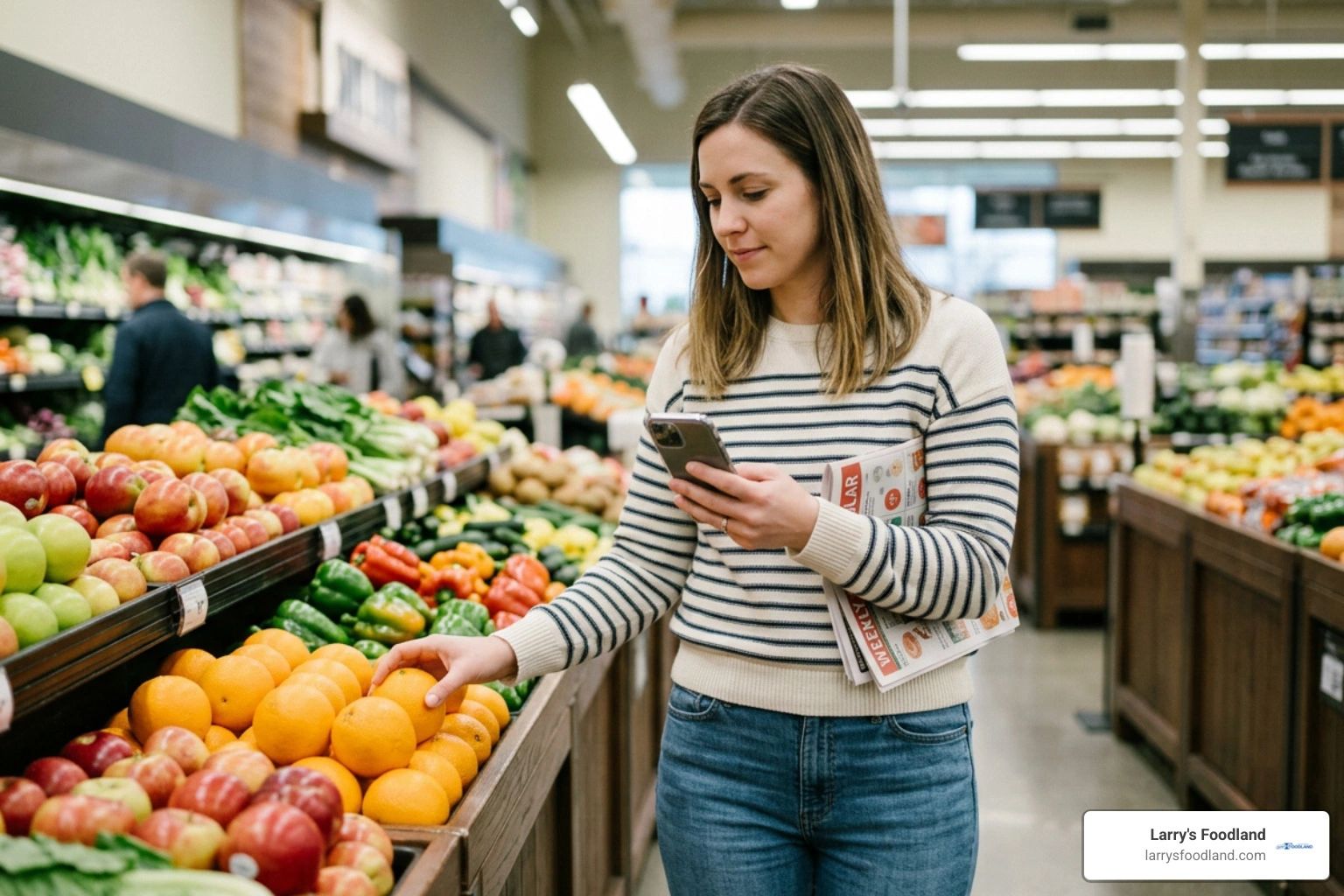
Mastering Weekly Ads on Flipp for Maximum Grocery Savings

Using digital weekly ads on platforms like Flipp – Flyers, Shopping List, Weekly Ads is one of the most effective ways to cut grocery costs. Shoppers can maximize savings by browsing circulars by ZIP code, comparing item prices across local stores, clipping advertised deals directly into interactive lists, and stacking manufacturer coupons with in-store sales. By aggregating digital circulars from more than 1,000 retailers, digital platforms bring every local flyer directly to your smartphone, tablet, or web browser.

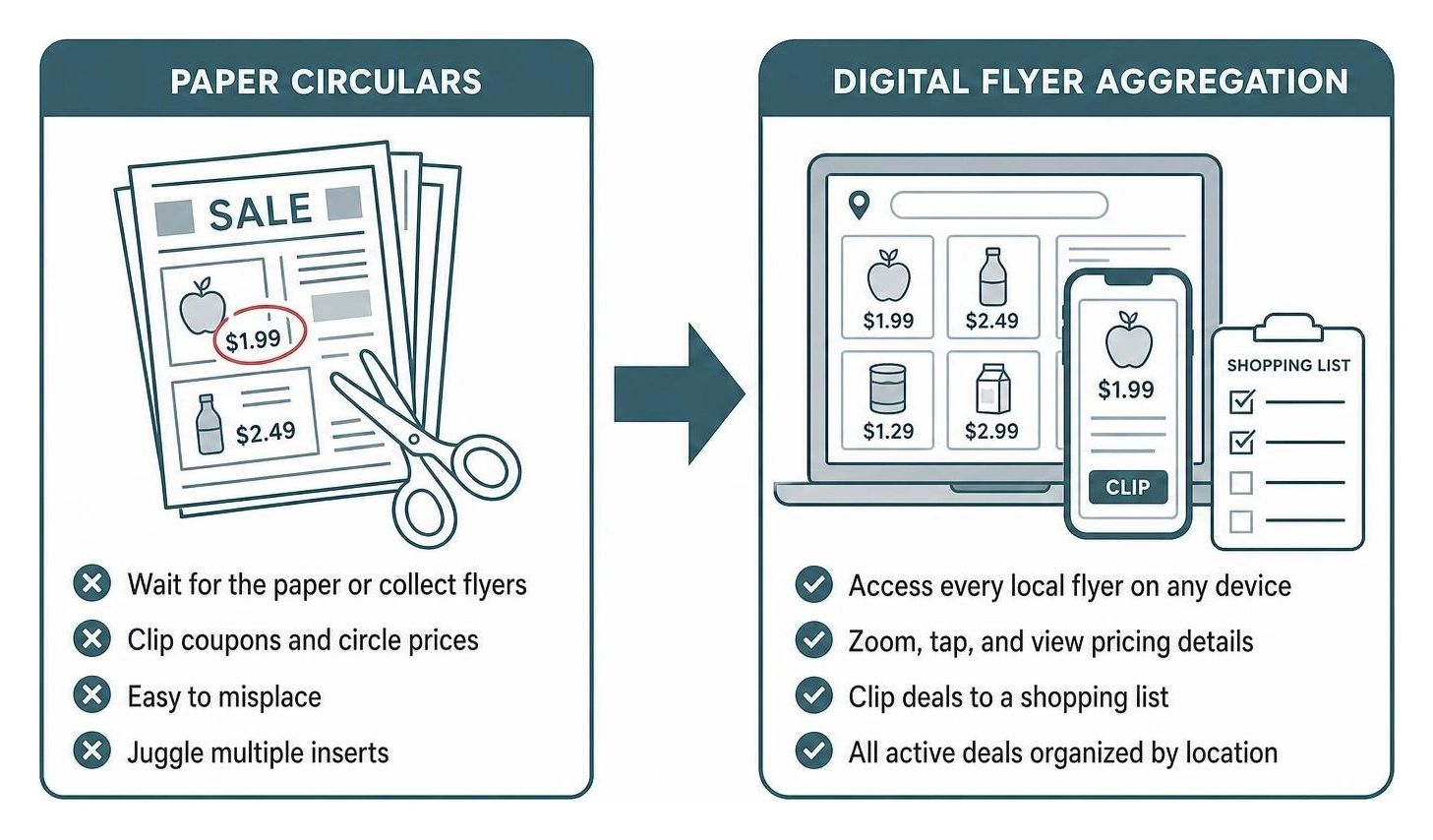
This shift delivers immense convenience for everyday shoppers across North America. Instead of rifling through physical inserts that easily get misplaced, you can view high-definition digital replicas of current print circulars. These digital flyers mirror the visual layout of traditional store ads while adding modern interactive tools. You can zoom in on specific products, tap items to view pricing details, and immediately clip them to an integrated shopping list.
Mastering Weekly Ads on Flipp for Maximum Grocery Savings

Beyond just displaying circulars, digital platforms aggregate over 100 brand coupons at any given moment. This means you no longer have to jump between multiple store websites or manage loose paper coupons that might expire in the bottom of your reusable bags. Instead, all active promotional materials are organized by location, allowing you to quickly browse through local bargains and stop overpaying with these top weekly grocery flyers.

Searching Deals and Comparing Product Prices

The true power of digital circular aggregation lies in item-level searching. In the past, comparing the price of butter or coffee across multiple neighborhood markets required flipping through several multi-page print flyers side-by-side. With modern flyer apps, you simply type a keyword into the central search bar—such as “eggs,” “ground beef,” or “apples”—to instantly pull up every matching offer currently running in your immediate area.

This cross-retailer search capability makes it effortless to evaluate unit pricing. You can quickly see whether a multi-buy promotion (like 3 for $5) actually beats a flat sale price somewhere else. If you are tracking down essentials, exploring the ultimate rundown of discount food stores near me alongside your digital flyer searches ensures you never spend more than necessary on pantry staples.

Unlocking 20% to 70% Product Savings

Combining promotional flyer pricing with active manufacturer discounts regularly unlocks savings between 20% and 70% on standard grocery and household items. Traditional couponing often gained a reputation for being an exhausting, all-or-nothing pursuit. Shoppers felt they had to hoard binders of paper vouchers and spend hours organizing them just to see meaningful reductions at checkout.

Modern digital flyer tools make smart shopping accessible without demanding hours of your time. By pairing promotional circular discounts with in-app digital coupons, everyday shoppers can cut a significant portion off their weekly register totals with just a few taps on their screen.

Feature Traditional Paper Circulars Digital Flyer Apps (Flipp) Searchability Manual page-by-page scanning Instant cross-store keyword search List Building Hand-written notes on scrap paper One-tap digital list generation Household Sharing Physical paper list (single user) Real-time multi-device cloud syncing Coupon Integration Physical scissors & manual clipping Digital clipping linked directly to items Loyalty Integration Plastic key tags & physical cards Built-in digital loyalty card wallet Environmental Impact High paper waste and recycling bulk 100% paperless digital access

How to Maximize Savings Using Weekly Ads Flipp Features

To get the most out of your digital deal hunting, you need an organized strategy. Exploring weekly ads flipp circulars works best when you establish a consistent weekly routine that aligns with local supermarket promotional cycles.

By learning how local sales calendars operate and how to filter circulars effectively, you can plan whole meals around discounted seasonal produce and cut-to-order butcher specials. This structured approach helps you maintain a healthy household budget and stop overpaying with these supermarket sales near me.

Browsing Local Weekly Ads Flipp Circulars by Zip Code

Digital ad platforms rely on precise location data to deliver relevant local flyers. When setting up your preferred viewing preferences on platforms like Weekly Ad Circulars, Deals & Online Coupons, entering your exact ZIP code ensures that every promotion matches the physical aisles of your neighborhood store.

Most grocery retailers update their promotional circulars on a set schedule. In many markets, new grocery ad cycles begin on Wednesday mornings, while others roll out on Sunday. By checking your local digital flyers early on the morning a new sales cycle begins, you can pinpoint the best seasonal specials before in-demand inventory runs low.

Stacking Digital Coupons with Meat and Produce Sales

The most effective grocery budget strategy is “deal stacking”—pairing an advertised store discount with an active manufacturer coupon or rebate. Fresh departments like the butcher counter and produce section represent a major share of any household’s weekly food spend.

To maximize savings:

  • Scan the weekly sales circular for discounts on premium protein cuts, whole roasts, or fresh poultry.
  • Search for brand-name coupons on marinades, seasonings, cooking oils, or complementary side dishes.
  • Check mobile rebate offers for cash-back opportunities on fresh fruit and vegetable staples.

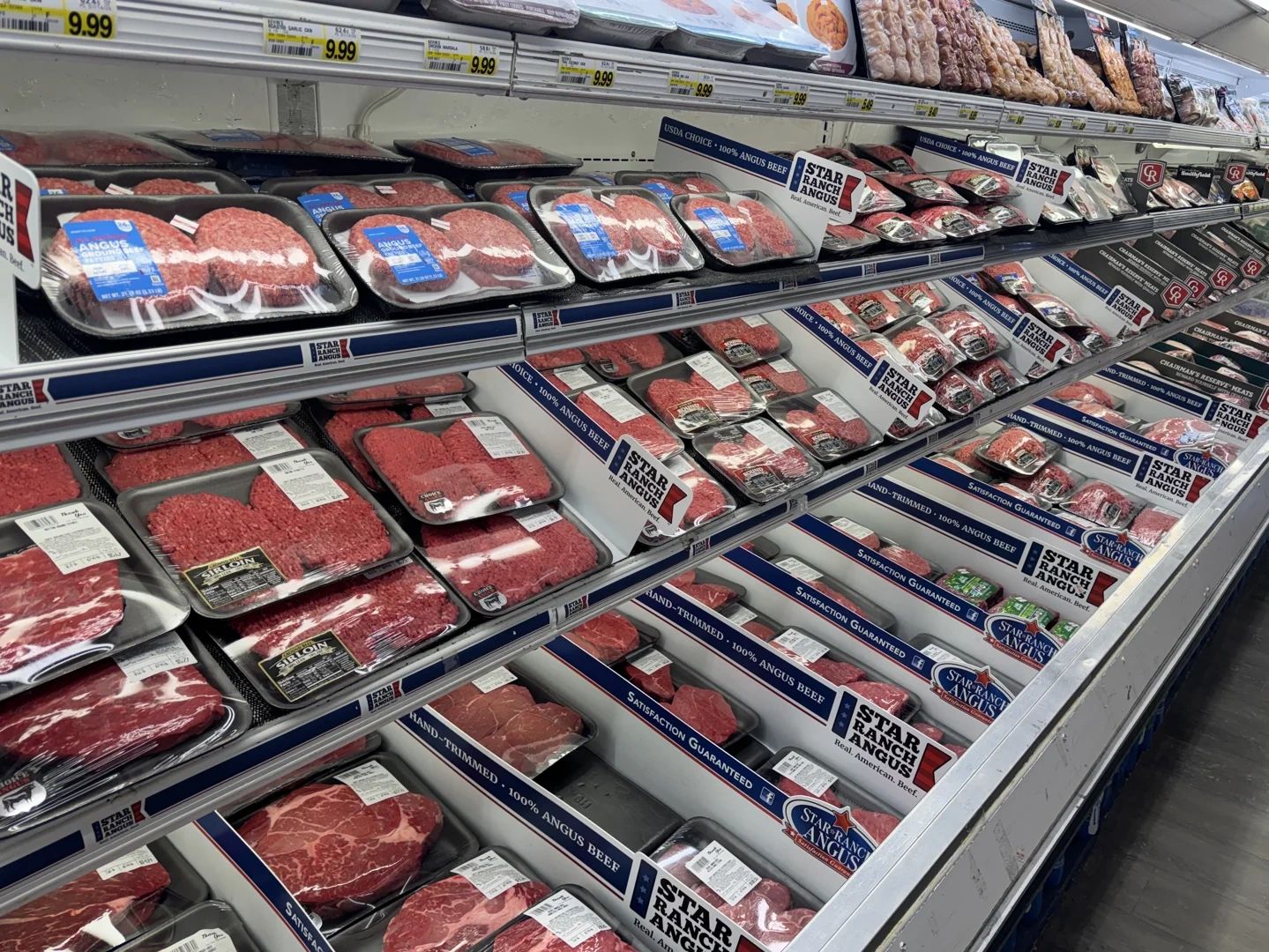
Planning dinner menus around featured butcher cuts yields immediate financial relief. If you want to refine your protein shopping strategy, understanding how to hunt down the best meat sales near me this week will help you pair custom cuts with seasonal produce at the lowest possible cost.

Building and Managing an Interactive Digital Grocery List

Mastering Weekly Ads on Flipp for Maximum Grocery Savings

A digital flyer platform is only as useful as your ability to execute your plan in the store. Interactive shopping list tools bridge the gap between browsing at home and navigating grocery aisles efficiently.

When you tap an item in a digital circular, the platform automatically “clips” the deal and places it into an organized, category-based shopping list. This eliminates the familiar headache of walking into the market and forgetting which brand was on promotion or what recipe ingredients you planned to buy.

Best Practices for Digital Shopping Lists

  • Group items by supermarket department: Keep produce, meat, dairy, bakery, and dry goods organized so you can move smoothly through the store aisles without backtracking.
  • Clip circular items directly from the flyer: Ensure you capture the exact brand name, item size, and sale requirements (such as “must buy 2”) to prevent surprises at the register.
  • Add manual custom entries: Combine circular sale items with everyday non-advertised pantry staples (like salt, baking soda, or flour) in one central digital checklist.
  • Check off items as you shop: Tap completed items to move them to a completed section, keeping your active screen clean and focused on what remains.

Syncing Weekly Ads Flipp Shopping Lists Across Household Devices

One common challenge in household meal planning is coordinating lists between multiple family members. Digital shopping lists solve this through cloud synchronization across iOS and Android devices.

When one person adds a pantry staple or circular special to the list from a tablet at home, the update instantly appears on the phone of the family member walking through the store. This real-time syncing eliminates duplicate purchases, prevents forgotten ingredients, and keeps everyone aligned on the weekly grocery budget.

Integrating Store Loyalty Cards at Checkout

Digging through your wallet for a plastic keycard or trying to remember your alternate phone number at the register can slow down checkout. Digital flyer apps feature built-in loyalty card storage to streamline this step.

By scanning the physical barcodes of your store membership cards with your smartphone camera, the app creates a digital wallet. When you arrive at the register, the cashier can scan the loyalty barcode directly from your phone screen. This ensures you automatically receive all applicable promotional discounts, accumulate loyalty points, and apply any loaded digital coupons without delay.

Frequently Asked Questions About Digital Weekly Ads

How often do digital weekly circulars update on flyer platforms?

Digital circular platforms typically update their circular listings multiple times per week to match the release cycles of local retailers. The vast majority of traditional grocery supermarkets launch their weekly sales promotions on Wednesday mornings, while big-box department stores and pharmacy chains often release new circulars on Sunday. Most digital ad platforms refresh their catalogs during the early morning hours on these key rollout days so you always see active pricing.

Can you combine digital coupons with in-store weekly flyer sales?

Yes, in most retail environments you can combine manufacturer coupons with advertised weekly sales prices. This strategy is known as “coupon stacking.” However, individual store policies govern how digital manufacturer discounts interact with in-store promotional markdowns. Always check your local retailer’s coupon policy regarding limits on duplicate coupons, buy-one-get-one promotions, and digital voucher redemption.

Is a mobile flyer app completely free to use?

Yes. Major digital flyer aggregation apps like Flipp are free to download and use on both iOS and Android devices, as well as via desktop web browsers. These platforms operate on an ad-supported and retailer-partnership model, allowing consumers to search circulars, clip coupons, save loyalty cards, and manage shopping lists without paying subscription or service fees.

Conclusion

Managing a household grocery budget does not require hours of clipping paper flyers or managing bulky coupon binders. By taking advantage of modern digital flyer platforms, you can search circulars across hundreds of local retailers, clip top brand coupons, and coordinate a single, organized shopping list with your entire household in minutes.
Mastering Weekly Ads on Flipp for Maximum Grocery Savings

At Larry’s Foodland, we make it easy to put smart shopping habits into practice. Located at 33151 Plymouth Rd in Livonia, MI, we are proud to serve our community as a complete 24-hour supermarket. Whether you are shopping early in the morning or picking up dinner ingredients late at night, our round-the-clock convenience fits your schedule.

Visit our full-service butcher department for custom-cut meats trimmed exactly to your liking, stop by our fresh bakery for daily artisan breads and treats, and explore our produce section for crisp, farm-fresh ingredients. Take a look at our current Weekly Sales Ad before your next trip to start saving on the quality groceries your family loves!

ask-larry-logo[1]

Have a question?Ask larry

Looking for a product? Need help planning an event? Want to place a special order?

Our team is here to help.

Submit your question and we'll get back to you as quickly as possible.

Ask Larry

Ditch the Prep with Delicious Pre-Made Meals in Livonia

Why Pre-Made Meals Are a Game-Changer for Busy Households

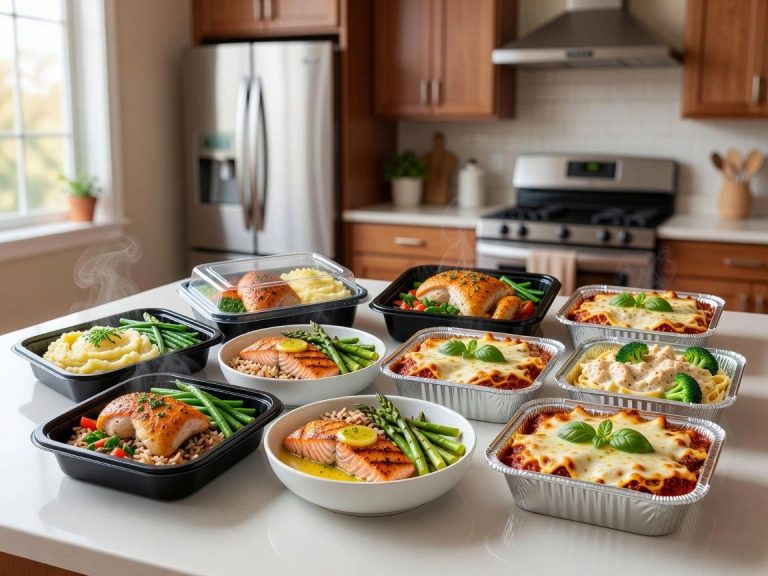
While many busy shoppers look for pre-made meals to save time, finding convenient, high-quality ready-to-heat options is a priority for households everywhere. Here’s a quick look at what’s available in convenient dining:

Category Examples Prep Method Frozen entrees Lasagna, mac & cheese, chicken Microwave or oven Deli ready meals Rotisserie chicken, fried chicken Heat & eat Oven-ready kits Protein-and-vegetable trays, pasta bakes Oven or microwave Chef-inspired selections Beef bowls, chicken parmesan, global flavors Minutes Breakfast bowls Meat lovers scrambles, egg dishes Microwave

Between work, errands, and everything else life throws at you, spending an hour cooking from scratch isn’t always realistic. That’s where ready-made meals come in.

Modern supermarkets and neighborhood grocers stock a wide range of ready meal products across frozen, deli, and refrigerated sections – from single-serve options to family-size portions. You can find everything from globally inspired dishes to classic comfort food, with choices that fit different appetites, schedules, and budgets.

Whether you need something in 60 seconds or a proper oven-baked dinner without the chopping, there’s likely an option that fits.

Ditch the Prep with Delicious Pre-Made Meals in Livonia

The Ultimate Guide to Convenient Pre-Made Meals

When you walk down the aisles or browse online in July 2026, you will find an incredible array of ready-to-heat options. Finding the perfect balance between taste, prep time, and portion size has never been easier. A simple search for a ready to eat meal is a great starting point when you want fresh, locally convenient dinner ideas without the work of cooking from scratch.

These items are designed to fit seamlessly into any schedule. If you want absolutely zero cooking, you can opt for fully cooked, single-serving microwave bowls. If you prefer the aroma of a home-cooked dinner but hate the chopping and measuring, oven-ready options provide pre-portioned ingredients in their own baking tins.

Ditch the Prep with Delicious Pre-Made Meals in Livonia

Through fresh deli departments, frozen meal cases, refrigerated grab-and-go sections, and prepared food counters, these meals cater to every hour of the day. You can grab a savory breakfast bowl at dawn, a light soup and sandwich combo for lunch, and a premium, globally inspired beef dish for dinner.

Popular Categories of Pre-Made Meals

To help you navigate the massive selection of convenient pre-made meals, we have broken down the most popular categories based on common shopper favorites:

  • Breakfast Bowls & Scrambles: Perfect for chaotic mornings. A hearty meat lovers-style breakfast bowl may include scrambled eggs, breakfast sausage, bacon, roasted potatoes, and cheese sauce. These protein-forward options are designed to heat quickly and help you start the morning with something more substantial than a snack bar.
  • Quick-Heat Pasta Dishes: For a lightning-fast lunch, single-serve pasta trays and pouches are incredibly popular. Creamy Alfredo rotini, marinara penne, and macaroni and cheese are common options that can be ready in just a few minutes.
  • Family-Size Frozen Entrees: When you need to feed a crowd without spending hours in the kitchen, family-size bakes are the go-to. Meat lasagna, chicken pasta bakes, and casserole-style dinners can often serve several people with minimal cleanup.
  • Single-Serve Comfort Bowls: These are ideal for office lunches, solo dinners, or late-night meals. Popular combinations include fried chicken with mashed potatoes, beef with rice, macaroni and cheese bowls, and homestyle meatball dishes.
  • Deli & Rotisserie Favorites: Found in the refrigerated deli section, these include whole roasted chickens, hot fried chicken, and pre-packaged deli sides like macaroni and cheese, mashed potatoes, coleslaw, and vegetables.

Dietary Options and Prep Methods for Ready Meals

One size does not fit all when it comes to healthy eating and preparation preferences. Fortunately, the current selection accommodates a wide range of needs:

  • Microwave (Heat & Eat): These are fully cooked and only require 1 to 5 minutes of microwaving. They are ideal for office lunches or solo dinners.
  • Oven-Ready: These meals come in oven-safe trays. You simply peel off the plastic film, preheat your oven, and bake. This method gives you that beautiful, oven-browned crust on cheese and proteins without much cleanup.
  • Single-Serve and Family-Size: Single bowls help with portion control, while larger trays make weeknight family meals much easier.
  • Dietary & Ingredient Conscious: Look for meals with recognizable ingredients, lean proteins, vegetables, and clear nutrition labels if you are trying to manage calories, sodium, or protein intake.
  • SNAP EBT Eligibility: Many cold or frozen grocery items may be eligible for SNAP EBT payments, although eligibility can depend on the item and whether it is sold hot or cold. Check at checkout or ask the store team if you are unsure.

Premium Upgrades: Gourmet Entrees and Fresh Selections

For those evenings when you want something a bit more upscale than a standard frozen burrito, premium fresh selections really shine. Convenient retail meal kits and prepared-food departments now make it easier to enjoy chef-inspired dinners with less chopping, fewer pans, and less time spent planning.

Additionally, premium ready-to-heat selections have expanded across many grocery categories. These lines bring bold, globally inspired restaurant-style flavors directly to your dining table. Seasonal releases, fresh deli specials, and heat-and-eat entrees all target busy food lovers who refuse to sacrifice taste for speed.

Some standout gourmet-style options to look for include:

  • Korean Inspired Beef Bulgogi: Tender beef in a sweet and savory soy-garlic marinade.
  • Ready to Cook Chicken Parmesan: Crispy breaded chicken breasts topped with marinara and melted mozzarella, ready for the oven.
  • Gnocchi Alla Sorrentina: Soft potato gnocchi tossed in a rich tomato sauce and topped with fresh mozzarella.
  • Chinese Inspired Mandarin Orange Chicken: Crispy chicken chunks tossed in a sweet, tangy citrus glaze.
  • Classic Seasoned Whole Roasted Chicken: A perfectly spiced, juicy rotisserie-style chicken ready to carve.

To help you decide which style of convenient meal fits your dinner plans tonight, here is a quick comparison:

Meal Type Average Prep Time Best For Flavor Profile Fresh Meal Kits 15-30 minutes Couples or families who enjoy light cooking Fresh, classic American & fusion Premium Heat-and-Eat Entrees 5-10 minutes Quick gourmet dinners with global flair Bold, restaurant-inspired, global Standard Frozen Bowls 3-5 minutes Fast solo lunches or late-night snacks Traditional comfort food

Pros, Cons, and Customer Reviews of Ready Meals

Ditch the Prep with Delicious Pre-Made Meals in Livonia

Like any grocery category, pre-made meals and other store-bought options come with their own set of advantages and drawbacks. Customer feedback often varies widely from one product to another, which proves that choosing the right meal matters.

The Pros:

  • Unmatched Convenience: The primary benefit is time. Saving 45 minutes of chopping, cooking, and washing pans is invaluable for busy parents and working professionals.
  • Good Value Compared to Takeout: Family-size frozen entrees, deli mains, and ready-to-heat sides can often feed multiple people for less than a restaurant meal or delivery order.
  • Better Variety Than Ever: Shoppers can now choose from comfort food, lighter vegetable-forward meals, high-protein bowls, pasta dishes, roasted meats, and globally inspired entrees.
  • Helpful Portion Options: Single-serve bowls are practical for one person, while larger trays and deli bundles make it easier to serve the whole household.

The Cons:

  • High Sodium Levels: To preserve flavor and shelf life, many pre-made meals carry high sodium content. If you are watching your salt intake, compare labels and choose lower-sodium options when available.
  • Inconsistent Quality: Not every pre-made meal is a hit. Some frozen dishes may have softer textures, thinner sauces, or smaller portions than expected.
  • Smaller Portion Sizes on Single Bowls: Some active adults find that 7 oz to 10 oz single-serve bowls are not quite filling enough for a complete dinner without adding a side salad, fruit, vegetables, or bread.
  • Texture Can Vary by Prep Method: Microwave meals are fastest, but oven-ready meals often deliver better browning and texture.

How to Buy: In-Store, Pickup, and Delivery Options

Getting your hands on convenient meals is incredibly simple. For those living in the Livonia, Michigan area, you can easily order online or visit local stores to stock up on fresh and frozen dinners. If you prefer to stay on your couch, delivery services through major platforms can bring these meals to your doorstep in as little as 30 minutes.

However, if you are looking for truly fresh, locally prepared meal options right here in Livonia, we invite you to explore our hot bar and cold cases at Larry’s Foodland. Our Deli team prepares delicious, ready-to-heat meals daily using high-quality ingredients. Before you shop, make sure to check out our Weekly Sales Ad for fantastic deals on fresh dinner solutions!

Frequently Asked Questions About Ready-to-Heat Options

Are these convenient meals healthy?

It depends entirely on the product. Some ready meals use lean proteins, vegetables, and simple ingredients, while many traditional frozen meals are high in sodium or saturated fat. Always check the nutrition label if you are watching your salt intake, calories, protein, or added sugars.

How long do refrigerated ready meals last?

Refrigerated ready meals, such as deli items and fresh heat-and-eat entrees, typically have a shelf life of 3 to 7 days in the fridge. Always refer to the use-by or best-by date printed on the packaging to ensure maximum freshness and safety. For general storage guidance, the FoodSafety.gov cold food storage chart is a helpful resource.

Can you freeze heat-and-eat meals?

Most refrigerated ready meals can be frozen to extend their shelf life, but it may affect the texture of certain ingredients like cream sauces, potatoes, or fresh vegetables. If you plan to freeze them, do so before the expiration date and thaw them completely in the refrigerator before reheating.

Conclusion

Finding time to cook a delicious, satisfying meal from scratch every night is a challenge. Ready-made meals offer a wide range of frozen, refrigerated, and fresh shortcuts to make your weeknights easier, but nothing beats the taste of locally made, fresh comfort food.

At Larry’s Foodland, located right here at 33151 Plymouth Rd in Livonia, MI, we pride ourselves on offering 24-hour convenience to fit your busy lifestyle. Whether you need custom-cut meats from our full-service butcher, fresh-baked breads from our bakery, or a hot, comforting dish from our Prepared Foods department, we are always open and ready to serve you.

Skip the mass-produced frozen aisle tonight and let us do the cooking for you! Stop by our store anytime or explore our fresh daily selections online at https://larrysfoodland.com/prepared-foods-1.

Find Weekly Ads and Sales Near You

Never Miss a Deal with These Weekly Sales Advertisement Flyers

Weekly ads and sales are the fastest way to find local discounts on groceries, household basics, fresh bakery items, and meat before you shop. Check a store’s current flyer online, in its app, or at the entrance, then confirm the ad dates and your selected location before building your list.

For busy shoppers, a weekly flyer can quickly show:

  • Fresh food and pantry deals worth planning meals around
  • Savings on household essentials you buy often
  • Seasonal specials, including bakery and meat-counter offers
  • Digital coupons or loyalty savings that may lower the advertised price further

Prices, availability, and promotions can vary by store and location. That makes local ads especially useful when you want quality groceries without making an extra trip or guessing what is on sale.

This guide explains how to read weekly flyers, compare offers, and spot the savings that fit your routine.

Never Miss a Deal with These Weekly Sales Advertisement Flyers

How to Access and Browse Weekly Ads and Sales Effectively

Navigating weekly ads and sales efficiently can save you significant time and money every month. Modern grocery flyers are designed to be accessible across multiple formats, whether you prefer flipping through newsprint at the kitchen table or scrolling through digital storefronts on your smartphone. To get the most out of every promotional cycle, it helps to know how each viewing method works and where the deepest discounts are typically hidden within the layout.

Online Portals vs In-Store Circulars

While printed store flyers at our entrance on Plymouth Rd remain a beloved staple for traditional meal planners, digital flyer platforms offer dynamic tools that streamline your prep work. When browsing online portals or mobile apps, you can tap directly on featured sale items to add them straight to a digital shopping list or clip associated digital coupons automatically.

Never Miss a Deal with These Weekly Sales Advertisement Flyers

Here is how online and in-store options compare for everyday convenience:

  • Print Circulars: Found right as you walk through our doors or delivered in local Sunday mailings. They are fantastic for visually scanning entire departments—like our full-service butcher counter or fresh produce section—at a single glance.
  • Digital Flyers & Web Portals: Accessible 24/7 from your phone, tablet, or desktop. Digital circulars allow you to search for specific items (like “boneless chicken breast” or “butter”) to immediately see if they are featured this week.
  • Mobile Convenience: Mobile apps allow you to view active circulars while walking the aisles, ensuring you do not overlook limited-time endcap displays or special storewide promotions.

For detailed guidance on navigating store circulars seamlessly, check out our guide on how to Stop Overpaying with These Top Weekly Grocery Flyers.

Understanding Update Schedules for Weekly Ads and Sales

Timing is everything when it comes to maximizing weekly promotional discounts. Most retail chains and local supermarkets operate on a strict 7-day ad cycle. In many Michigan neighborhoods, new sales circulars take effect mid-week (often on Wednesday mornings) or on Sunday mornings.

Knowing exactly when your store’s flyer resets prevents awkward surprises at the checkout register. As of August 2026, smart shoppers watch for “ad overlap” windows—brief periods where upcoming sales flyers are previewed online before the current week’s deals officially expire. This allows you to decide whether you should stock up on household staples today or wait for next week’s advertised prices.

Comparing Savings Across Retail Categories

Never Miss a Deal with These Weekly Sales Advertisement Flyers

Not every discount in a weekly advertisement flyer offers the same percentage of total savings. Supermarkets and department stores organize their weekly ads and sales into strategic categories to help shoppers build complete meal plans and home supply lists. Understanding how savings vary across departments helps you prioritize high-value discounts.

Department Category Typical Discount Range Best Items to Target in Weekly Ads Savings Strategy Fresh Produce 20% – 45% Peak-season fruits, salad kits, bulk potatoes, onions Build weekly family menus around featured seasonal produce items. Butcher & Meat Counter 25% – 50% Custom-cut steaks, ground beef, pork chops, poultry Buy extra during deep sales and freeze in vacuum-sealed portions. Fresh Bakery 15% – 35% Artisan loaves, fresh pies, morning pastries, custom cakes Look for weekly rotation specials to complement family dinners. Pantry Staples 20% – 40% Canned goods, pasta, olive oil, baking mix, breakfast cereals Stock up to multi-month supply levels when items reach lowest prices. Household & Cleaning 15% – 30% Paper towels, laundry detergent, dish soap, trash bags Combine store flyer pricing with manufacturer digital coupons.

If you buy extra meat or prepared foods during a deep sale, the USDA-backed FoodKeeper App can help you check recommended storage times before freezing or refrigerating your groceries.

Grocery and Household Essentials in Weekly Ads and Sales

Grocery aisles and household basic displays usually take center stage on the front and back pages of every weekly sales circular. Retailers put high-frequency items-such as fresh milk, eggs, pantry staples, and bath tissue-front and center because these are the items families restock constantly.

When reviewing grocery flyers, look out for tiered pricing structures like “Buy 5, Save $5” mix-and-match events. These promotions reward shoppers for stocking up on pantry goods like canned tomatoes, pasta sauces, snacks, and boxed cereals. General retail circulars often showcase multi-category promotions, though local food markets remain your best bet for perishables and meat specials.

Bakery, Meat Counter, and Seasonal Promotions

The middle pages of a quality supermarket flyer highlight fresh specialty departments. Our 24-hour store model allows us to feature freshly baked breads and custom butcher cuts every day of the week, but checking the flyer highlights the deepest temporary price cuts.

  • Custom-Cut Meats: Watch for weekly specials on choice beef cuts, fresh pork loin, and poultry. Full-service butcher departments often feature “Meat Bundles” or bulk discounts that significantly lower your cost per pound.
  • Fresh Bakery Delights: From warm morning donuts to hand-decorated cakes and loaves of crusty sourdough, weekly bakery features give you a reason to treat your family without blowing the grocery budget.
  • Seasonal Clearances: Circulars during summer, fall holidays, or back-to-school season frequently highlight outdoor grilling cuts, seasonal fruits (like berries and apples), and holiday baking supplies.

Maximizing Discounts: Loyalty Programs and Digital Coupons

Never Miss a Deal with These Weekly Sales Advertisement Flyers

Viewing the advertised print price is only the first step in mastering weekly ads and sales. To achieve maximum total savings, experienced home buyers pair advertised flyer prices with store rewards programs, digital clip-and-save offers, and third-party rebate apps.

Combining Ad Deals with Coupon Stacking

Coupon stacking refers to the practice of applying multiple savings methods to a single item. For example, if a gallon of milk or a package of thick-cut bacon is already discounted in the weekly flyer, applying a digital store coupon on top of that flyer price drops the final out-of-pocket cost even further.

Never Miss a Deal with These Weekly Sales Advertisement Flyers

Here is a simple sequence for effective coupon stacking:

  • Review the Weekly Circular: Identify items marked with special promotional badge symbols.
  • Clip Digital Offers: Sign into your store account to clip matching digital manufacturer or store coupons directly to your phone number.
  • Scan at Register: Enter your mobile phone number at checkout so all clipped discounts automatically reduce your printed ad price.
  • Submit for Rebates: Upload your receipt to cash-back apps after shopping to earn extra reward points on items you were already purchasing.

To discover how localized circulars help keep your food budget balanced, read our helpful guide on how to Stop Overpaying with These Supermarket Sales Near Me. Signing up for a store’s official Loyalty Program ensures you never miss out on instant digital rewards that stack directly with circular promotions.

Local Store Pricing Policies and Disclaimers

Every weekly sales circular contains small print disclaimers near the back cover or bottom margin. Understanding these local store pricing policies prevents misunderstandings at the checkout lane:

  • Regional Price Variations: Retail chains often adjust prices based on regional transport costs and local supply chain conditions. Always verify that your selected store address (such as Livonia, MI) is set as your default store location when viewing flyers online.
  • Quantity Limits: To ensure all neighborhood families can enjoy advertised specials, circulars often state limits such as “Limit 4 packages per customer.”
  • Rainchecks: If a high-demand item in the weekly ad sells out faster than expected, many customer service desks will issue a raincheck. This document allows you to purchase the item at the sale price once fresh inventory arrives, even after the weekly ad cycle has ended.

Frequently Asked Questions About Weekly Ads and Sales

When do most weekly ads update each week?

Most grocery store weekly sales circulars update either on Wednesday mornings or Sunday mornings. Reset times usually occur at 12:00 AM local store time on the day the new ad takes effect. Checking your preferred store’s website or app 24 hours in advance often gives you a sneak peek at upcoming discount prices so you can plan your shopping trips accordingly.

Can digital coupons be combined with weekly sales flyer items?

Yes! In almost all cases, digital store coupons and digital manufacturer coupons can be combined directly with items featured in weekly ads and sales. Stacking a $1.00 digital coupon on an item already marked down by $2.00 in the weekly flyer gives you a total discount of $3.00 off the original retail price. Always check individual coupon terms for specific exclusions or quantity restrictions.

Why do weekly sales ad prices vary by store location?

Weekly ad prices can vary between store locations due to regional distribution expenses, local supply availability, store size, and neighborhood market demand. Hardware chains and general merchandise retailers frequently adjust prices locally based on regional store costs, whereas local grocery markets tailor their circular prices directly to serve their immediate community’s needs. Setting your zip code accurately on online apps guarantees you are looking at exact pricing for your local store.

Conclusion

Mastering weekly ads and sales is one of the easiest habits you can adopt to lower your household expenses without sacrificing quality or selection. By reviewing digital and print circulars, taking advantage of midweek ad updates, stack-clipping digital coupons, and participating in store rewards, you keep your kitchen stocked with fresh produce, full-service butcher cuts, and delicious bakery goods while staying firmly within your monthly budget.

We invite our Livonia neighbors and surrounding communities to explore our latest deals, cut custom meats, and enjoy 24-hour shopping convenience anytime. Browse our complete current digital flyer today by visiting our official Weekly Sales Ad page, and start saving on your family’s everyday essentials today!

Why Finding the Best meat sales this week near me Can Save You Real Money

How to Hunt Down the Best Meat Sales Near Me This Week

Finding the best meat sales this week near me is one of the fastest ways to cut your grocery bill without sacrificing quality. Here’s a quick look at typical weekly deals you can find:

Store Type Featured Deal Price Local Supermarket Chicken Drumsticks, Leg Quarters or Thighs $0.99/lb Discount Grocer Boneless Chicken Breast or Pork Tenderloin $2.99/lb Warehouse Club Boneless Center Cut Pork Loin Chops $2.98/lb Regional Supermarket Beef Petite Sirloin or Top Round London Broil $4.99/lb National Chain St. Louis Style Pork Ribs $3.49/lb Premium Grocer Boneless Top Sirloin Steak $10.99/lb

Meat prices swing week to week. Stores use deep discounts on popular cuts — chicken drumsticks under $1/lb, pork ribs under $4/lb — to pull shoppers through the door. Once you’re inside, you tend to fill the cart.

The good news? You can flip that strategy in your favor.

Knowing which stores are running sales, when the circulars reset, and how to stack digital coupons with in-store prices can make a real difference — especially for families buying in bulk or planning a summer cookout in July 2026.

This guide breaks it all down simply so you can shop smarter, spend less, and still bring home great cuts.

How to Hunt Down the Best Meat Sales Near Me This Week

Smart Strategies to Find Meat Sales This Week Near Me

Hunting for the best meat sales this week near me doesn’t mean you have to spend hours driving from store to store. With a little bit of planning and the right digital tools, you can easily map out your shopping trip to grab the biggest discounts.

How to Hunt Down the Best Meat Sales Near Me This Week

The first step to unlocking massive savings is mastering the art of the weekly circular. Most grocery stores update their flyers on a fixed weekly cycle. Keeping a close eye on our Weekly Sales Ad ensures you never miss out on the best local deals.

But looking at the paper flyer is just the beginning. To get the absolute lowest prices, you need to understand how supermarkets structure their promotions:

  • Loss-Leaders: Supermarkets frequently price high-demand items, like chicken breasts or ground beef, at or below cost. They do this specifically to draw you into the store, hoping you will buy higher-margin items like spices, marinades, or charcoal. By planning your meals strictly around these loss-leaders, you can save a bundle.
  • Digital Coupons and Mobile Apps: Many modern discounts are locked behind store apps. You will often see a low price listed on the shelf, only to find out at the register that it requires a digital coupon. Always download the store’s app and “clip” the coupons before you head to the checkout lane.
  • Minimum Spend Requirements: Be sure to read the fine print on high-value digital coupons. Some “Deals of the Week” require a minimum pre-tax purchase (such as spending $10 or more on other groceries) to activate the discount.
  • Senior and Demographic Discounts: Some stores offer dedicated discount days. For example, shoppers aged 60 and older can often save an extra 5% on their entire purchase on designated days like Wednesdays. Stacking a senior discount on top of already-discounted meat sales is an incredibly effective way to stretch your budget.

Supermarket Circulars vs. Specialty Butcher Shops

When you are looking for meat sales this week near me, you will quickly notice a divide between standard supermarket chains and local, specialty butcher shops. While supermarkets excel at mass-market convenience and rock-bottom prices on loss-leaders, a dedicated butcher shop offers unmatched quality, expertise, and personalized service.

Pre-packaged supermarket meat is typically cut and sealed in high-volume facilities far away, then shipped to the store. Because of this, you are stuck with whatever thickness or portion size happens to be on the shelf.

At a full-service butcher shop, you get the benefit of custom cuts. If you want a double-thick ribeye for reverse-searing, or a pork loin trimmed to your exact specifications, a professional butcher can do it on the spot. To learn more about how to get the most out of your local meat counter, check out The Carnivore Guide to Finding the Best Fresh Cut Meats and our advice on How to Choose a Custom Cuts Butcher Without Getting Butchered On.

At Larry’s Foodland, we combine the best of both worlds. Our 24-hour supermarket features a full-service Butcher Shop where you can get custom cuts at any hour of the day or night. Whether you need a specific cut of beef for a midnight craving or a family-sized pack of chicken prepped for a weekend party, our expert team is always ready to help.

Comparing Prices on Beef, Pork, and Seafood

To help you visualize the price differences you might encounter when comparing standard supermarkets to specialized options, let’s look at average pricing trends for popular cuts of beef, pork, and seafood:

Meat Category Cut Type Average Supermarket Price (Per Lb) Budget / Sale Price Target (Per Lb) Beef Boneless Chuck Roast $8.99 $6.22 – $6.99 Beef Boneless Ribeye Steak $18.99 $14.99 Beef 93/7 Lean Ground Beef $6.99 $5.97 Pork Boneless Pork Tenderloin $4.99 $2.99 Pork Center Cut Pork Chops $3.99 $2.98 Pork St. Louis Style Pork Ribs $4.99 $3.49 Seafood Extra Large Raw Shrimp $9.99 $6.99 Seafood Fresh Salmon Fillets $12.99 $9.99

By keeping these target prices in mind while browsing our Weekly Sales Ad, you can easily spot when a deal is truly exceptional.

Sourcing Premium Cuts and Local Specialties

For special occasions or high-end meals, you might want to look beyond everyday staples and source premium cuts like dry-aged beef, fresh salmon, or artisanal sausages. Serious home cooks know that starting with responsibly-sourced, fresh ingredients makes all the difference in the final dish.

When you are looking to explore local specialties and premium regional selections around Michigan, finding a trusted local source is key. Instead of driving all over the state, visiting our own Butcher Shop at Larry’s Foodland gives you direct access to skilled butchers who can help you select, trim, and prepare your meat to perfection. We source high-quality proteins and offer custom cuts to ensure you get exactly what you need for your next culinary masterpiece.

How to Maximize Savings on Grilling Favorites

There is nothing quite like the smell of a backyard barbecue in the middle of summer. Whether you are hosting a massive neighborhood cookout in July 2026 or just preparing a quiet family dinner, grilling favorites like steaks, burgers, ribs, and sausages are always a hit.

How to Hunt Down the Best Meat Sales Near Me This Week

To get the best value on your grilling meats, it helps to plan ahead. You can learn the best techniques for selecting and grilling your meats by reading The Ultimate Guide to Custom Cut Meats and Better BBQ.

Don’t forget to pair your discounted meat purchases with seasonal fresh produce. Grilling vegetables like sweet yellow onions, bell peppers, and zucchini are often deeply discounted during the summer months, allowing you to build a complete, budget-friendly meal.

Scoring Deals on Steaks, Burgers, and Ribs

When you want to score the best deals on beef and pork for the grill, keep an eye out for limited-time promotions:

  • 3-Day Sales: Many stores run short-window weekend sales (often Friday through Sunday) featuring deep discounts on premium cuts like boneless ribeye steaks, sirloin steaks, or chuck roasts. These quick sales are designed to create urgency, making them the perfect time to stock up.
  • BOGO Offers: Buy-One-Get-One-Free deals are incredibly popular for pork ribs and marinated pork tenderloins. Buying a BOGO deal effectively cuts your per-pound cost in half, allowing you to cook one package immediately and toss the second one into the freezer for later.
  • Value-Pack Ground Beef: If you are planning a burger night, skip the pre-formed patties, which carry a high markup. Instead, buy a family pack of ground beef (typically 3 lbs or more) at a lower per-pound rate and press the patties yourself at home.

Finding the Best Chicken and Sausage Meat Sales This Week Near Me

If you want to keep your grilling budget as low as possible, poultry and sausages are your best friends.

Chicken drumsticks, leg quarters, and thighs are the ultimate budget proteins, frequently dropping to under $1.00 per pound during weekly sales. For quick weeknight meals, look for sales on boneless skinless chicken breasts or tenders, which regularly drop to around $2.99 per pound.

Fresh pork sausage rolls or links are another highly affordable option. They pair beautifully with grilled peppers and onions for an easy, high-flavor meal that won’t break the bank.

Bulk Buying and Freezer Prep Tips

One of the smartest ways to take advantage of meat sales this week near me is to buy in bulk. When you see an exceptionally low price on a staple protein, buying in larger quantities allows you to lock in those savings for weeks or even months to come.

To make bulk buying work for you, you need a solid freezer prep strategy. Having a high-quality vacuum sealer is a game-changer. Vacuum packaging removes all the air from around the meat, which prevents ice crystals from forming and shields your food from freezer burn. For official food safety recommendations, review the USDA Food Safety and Inspection Service guidance on safe defrosting methods.

If you are looking for convenient, round-the-clock options to pick up bulk meats or get custom cuts on your own schedule, our guide on The Midnight Butcher: Your Guide to 24 Hour Custom Cut Meat Near will help you find the best local options.

Stocking Up on Family Packs and Bulk Rolls

When shopping for bulk meats, always look at the unit price (the price per pound) rather than the total package price.

  • Bulk Ground Beef Rolls: Ground beef is often sold in large, vacuum-packed tubes (known in the industry as “chubs” or rolls). These rolls (typically 5 to 10 lbs) are much cheaper to package and distribute than flat foam trays, and those savings are passed directly to you. You can buy a large roll, portion it into 1-pound blocks at home, and freeze them.
  • Family-Pack Pork Chops: Buying center-cut pork loin chops in a family pack (usually containing 8 or more chops) is significantly cheaper than buying small 2-pack portions.
  • Portion Control: Once you get your bulk meat home, take a few minutes to portion it out based on your family’s typical meal sizes before freezing. This prevents you from having to thaw a massive 5-pound block of meat when you only need 1 pound for dinner.

How to Safely Freeze and Thaw Your Meat Sales This Week Near Me

To keep your bulk meat purchases tasting fresh and delicious, you must follow safe freezing and thawing practices:

How to Hunt Down the Best Meat Sales Near Me This Week

  • Check the Sell-By Date: Always freeze your meat on or before the printed “Sell-By” date. If you buy meat that is close to its expiration date at a clearance price, plan to cook it or freeze it immediately.
  • Double-Wrap for Protection: If you do not have a vacuum sealer, wrap the original store packaging tightly in a layer of heavy-duty aluminum foil or place the entire package inside a freezer-safe zip-top bag to prevent freezer burn.
  • Thaw Safely in the Refrigerator: The safest way to thaw frozen meat is slowly in the refrigerator. This keeps the meat at a safe, cold temperature throughout the thawing process. Plan ahead, as large roasts or whole chickens can take 24 to 48 hours to thaw completely.
  • Quick Thawing: If you are short on time, you can submerge sealed, waterproof packages of meat in cold tap water, changing the water every 30 minutes. Alternatively, you can use your microwave’s defrost setting in short, 1-minute increments to prevent accidentally cooking the outer edges of the meat.

Frequently Asked Questions About Weekly Meat Deals

How do I get the advertised sales prices on meat packages?

At most supermarkets, the absolute lowest advertised prices are reserved for loyalty program members. If you don’t have the store’s loyalty card or app, you may end up paying the standard retail price at checkout. Always make sure to sign up for the store’s free rewards program and clip any required digital coupons before shopping. Also, be sure to check if there is a minimum spend requirement (such as a $10 pre-tax purchase) to activate the deal.

Can I request custom cuts if I don’t see what I want?

Yes! If you are shopping at a store with a full-service meat counter, you can always ask the butcher for assistance. If you don’t see the exact thickness or portion size you need on display, the butcher can easily cut a fresh piece to your exact specifications. You can also request special orders for unique cuts or larger quantities if you are planning a big event.

Are online delivery prices the same as in-store meat prices?

Generally, no. If you use third-party delivery services or curbside pickup apps, the prices of individual items are often marked up compared to physical store locations. To get the absolute best value on your meat purchases, shopping in-store is always the most cost-effective option, as it allows you to hand-select your cuts and avoid extra service fees.

Conclusion

Finding the best meat sales this week near me is all about combining smart digital tools, understanding weekly store circulars, and knowing how to safely store your bulk purchases. By keeping a close eye on prices and planning your weekly meals around seasonal promotions, you can easily serve high-quality, delicious meals to your family while keeping your budget firmly on track.

At Larry’s Foodland, we are proud to be your go-to neighborhood supermarket in Livonia, MI. Located at 33151 Plymouth Rd, we offer the ultimate in 24-hour convenience, allowing you to shop on your own schedule. Whether you are looking for fresh produce, fresh-baked goods, or custom-cut meats from our full-service butcher shop, our doors are always open.

Ready to start saving? Check out our latest Weekly Sales Ad to plan your next shopping trip, and visit our Blogs & Events page for more expert cooking tips, recipes, and community updates!

Find Discount Food Stores Near Me Without Sacrificing Quality

The Ultimate Rundown of Discount Food Stores Near Me

Discount food stores near me can be a smart place to find lower-priced pantry staples, frozen foods, dairy, produce, and more. These stores often sell surplus, closeout, discontinued, short-dated, or cosmetically imperfect products for far less than standard grocery prices.

What to look for Why it helps Local liquidation or salvage grocers Often carry name brands at deep discounts Weekly ads and store social pages Helps you spot limited-time deals Intact packaging and sensible dates Protects quality and food safety Food-rescue apps and surplus delivery Adds more local and online options

Savings can be substantial: discount grocers may price items 35% to 85% below typical retail, depending on the product and inventory. The tradeoff is that selection changes quickly, so a flexible shopping list goes a long way.

This guide breaks down where these stores get their food, what “salvage” really means, how to shop safely, and how to find worthwhile deals close to home.

The Ultimate Rundown of Discount Food Stores Near Me

What Are Discount Food Stores and How Do They Work?

When searching for discount food stores near me, it helps to understand what makes these stores distinct from traditional corporate supermarkets. Standard grocery chains operate on predictable, highly structured distribution models. They stock consistent brand lineups week after week and automatically cycle out inventory when seasonal packaging updates arrive or when items reach specific display windows.

Discount food stores, on the other hand, operate on opportunistic inventory acquisition. They buy high-quality products that standard stores cannot or will not carry due to logistics, space limits, or branding shifts. By acquiring these inventory items at heavily reduced liquidation rates, discount grocers pass those massive price cuts directly on to local shoppers.

The Ultimate Rundown of Discount Food Stores Near Me

Whether you are looking for household essentials, baking ingredients, canned vegetables, or snacks, discount outlets give families a practical way to stretch their weekly spending money without compromising on everyday meal quality.

Understanding Salvage Sourcing and Date Codes

To understand how discount food stores offer prices that are up to 75% or 80% below standard retail, you have to look at supply chain surplus. Everyday causes for discounted grocery stock include:

  • Manufacturer Overstock: A food manufacturer produces 100,000 cases of cereal for a national promotion, but retailers only buy 70,000. The remaining 30,000 cases need to move out of the warehouse quickly to free up space.
  • Discontinued Items & Package Redesigns: When a manufacturer changes its logo, tweaks a recipe, or introduces seasonal box graphics (like holiday-themed baking mixes), retailers liquidate the older packaging. The food inside remains fresh and completely untouched.
  • Truck Salvage & Damaged Case Goods: During transit, a single outer cardboard case in a shipping pallet might get crushed or scraped. Major supermarkets will often reject the entire shipping pallet for aesthetic reasons, even if 95% of the individual items inside are in perfect condition.
  • Short-Coded Products: Items approaching their designated best-by window are transferred to liquidation networks so consumers can consume them immediately rather than letting them sit on warehouse shelves.

Understanding date codes is essential when shopping these deals. A “Best If Used By” or “Best Before” date is a manufacturer’s recommendation for maximum flavor and crispness—it is not an official expiration date or safety deadline.

Environmental Benefits: Saving Food and Reducing Waste

Shopping at discount food stores does more than protect your wallet; it plays a vital role in environmental protection. Tonnes of perfectly wholesome, perfectly safe food are discarded into landfills every year simply because of minor cosmetic flaws, overproduction, or arbitrary date codes.

When good food ends up in landfills, the resources used to produce it—water, land, agricultural labor, fuel, and processing energy—are wasted. As organic material decomposes in landfills without oxygen, it releases methane, a potent greenhouse gas.

By purchasing overstock, short-coded, and cosmetically imperfect foods, you actively participate in food rescue. Every cartful of rescued groceries helps lower greenhouse emissions, cuts down on food waste, and creates a more sustainable food ecosystem in our communities.

Types of Stores and Options for Finding Discount Food Stores Near Me

Finding reliable discount grocery options in your local area usually comes down to knowing where to look and understanding the different formats available.

Physical Liquidation Outlets and Regional Grocers

Physical brick-and-mortar stores remain the go-to choice for hands-on deal hunters. These stores range from independently owned neighborhood markets and salvage liquidators to full-service regional grocery stores that prioritize aggressive weekly value pricing.

Physical stores allow you to hand-inspect items, explore full-service deli counters, check fresh meat cuts, and grab daily essentials right when you need them. To make the most of physical grocery trips, pay close attention to promotional schedules and store circulars. Exploring resources like Stop Overpaying With These Supermarket Sales Near Me can help you quickly locate the best local deals and maximize your daily savings.

Finding Online Discount Food Stores Near Me

If you prefer digital convenience or live farther away from physical salvage outlets, online discount food providers offer a great alternative. Modern surplus food delivery options include:

  • Direct-to-Door Surplus Delivery Services: Specialized web services partner directly with food producers to package surplus shelf-stable goods, organic pantry items, and imperfect produce into home-delivered shipments at discounts of up to 40% off standard retail.
  • Food Rescue Mobile Apps: Surplus food apps partner with regional grocery stores, bakeries, and local restaurants. Users purchase “mystery bags” or short-dated surplus items at a fraction of their retail price, picking them up directly at local store counters.
  • Digital Circulars and Local Delivery: Many local neighborhood markets now maintain updated digital storefronts or email newsletters, letting you lock in deep discounts on weekly sales items before stepping foot out the door.

What You Can Buy and How Much You Can Save

Discount grocery outlets feature an impressively wide spectrum of daily items. While inventory naturally shifts based on surplus availability, you will consistently find major price markdowns across key department categories:

Department Common Items Found Typical Discount Range Dry Goods & Pantry Pasta, canned soups, beans, rice, boxed cereal, spices 40% to 80% off retail Snacks & Beverages Chips, crackers, coffee, sparkling water, fruit juices 35% to 75% off retail Baking Supplies Flour, sugar, baking mixes, chocolate chips, oils 30% to 60% off retail Frozen Foods Ice cream, frozen vegetables, meals, pizza 35% to 70% off retail Refrigerated & Dairy Butter, cheese blocks, yogurt, sour cream 25% to 50% off retail Fresh Meat & Deli Custom butcher cuts, sliced lunch meats, specialty cheeses 20% to 50% off retail

Smart Product Choices: What to Buy at Discount Food Stores Near Me

To stretch your dollars as far as possible, prioritize high-value categories where discount grocers offer the deepest price cuts:

  • Baking Goods & Bulk Ingredients: Flour, sugar, rolled oats, spices, and olive oil have long shelf lives and rarely decline in quality, making them perfect items to buy discounted in bulk.
  • Canned & Dry Staples: Canned tomatoes, black beans, whole-grain pastas, and hearty rice mixes are practically indestructible when stored in a cool, dry pantry.
  • Fresh Meat & Deli Cuts: Look for butcher specials, short-dated fresh cut meats, and deli cheeses. Freezing meats immediately after purchase lets you lock in lower prices while preserving quality for future meals. Check out our latest Weekly Sales Ad to see what fresh cut meats and deli specials are featured this week!

Calculating Your Potential Household Savings

How much money can you actually keep in your wallet by making discount food stores part of your regular routine?

Statistics show that salvage grocers and liquidation sellers can offer overall savings ranging from 35% to as high as 85% off typical supermarket prices. For an average family spending $800 to $1,000 per month on standard groceries, shifting even half of their routine purchases to discount sources or featured sales circulars can save anywhere from $150 to $400 every single month. That translates to thousands of dollars in household savings every year.

Safety First: What to Inspect Before You Buy

The Ultimate Rundown of Discount Food Stores Near Me

While shopping at discount food stores is a brilliant way to save money, consumer food safety should always come first. Knowing how to inspect packaging ensures that every item you bring home is wholesome, delicious, and completely safe for your family.

Red Flags and Packaging Integrity Risks

When evaluating discounted or salvage merchandise, keep an eye out for these clear warning signs:

  • Deep Canned Goods Dents: Minor cosmetic dings on a can’s outer wall are harmless. However, steer clear of deep dents that form sharp creases, dents located directly along top or bottom side seams, or any can that prevents proper opening.
  • Swollen or Bloated Packaging: Never purchase cans, jars, or flexible pouch foods that appear swollen, bulged, or pressurized. This indicates potential bacterial growth or gas build-up.
  • Broken Tamper-Evident Seals: Check glass jars, plastic tubs, and bottle caps carefully. If a safety button on a jar cap is popped up, or if a plastic inner seal is peeled back or compromised, leave the item on the shelf.
  • Rusted Packaging: Surface rust that rubs off with a finger is fine, but heavy rust that creates deep pitting on metal surfaces can create microscopic pinholes, exposing inner contents to air and bacteria.

USDA Guidelines on Expiration vs Best-By Dates

To shop with confidence, it helps to understand the exact definitions established by the USDA Food Safety and Inspection Service regarding date codes on commercial food packaging:

  • “Best If Used By / Before”: This date informs consumers when the product will reach its peak flavor, crispness, or optimal quality. It is not a safety date. Foods consumed past this date are generally safe if packaging remains intact.
  • “Sell-By”: This date is an internal inventory management guide for store employees, indicating how long the store should display the product on retail shelves.
  • “Use-By”: This date represents the last recommended date for using the product while at peak quality. (The only federal requirement for safety expiration dates applies specifically to infant formula).

When you inspect packages for seal integrity and use common sense, short-dated and closeout groceries offer incredible value with minimal risk.

Pro Tips for First-Time Discount Grocery Shoppers

The Ultimate Rundown of Discount Food Stores Near Me

Navigating discount food stores for the first time can feel different from visiting a traditional supermarket chain. Inventory turns over quickly, seasonal items arrive unexpectedly, and popular brand deals sell fast. Use these proven strategies to get the absolute most out of every shopping trip.

Strategy 1: Shop Discount Outlets First

The single most effective budget strategy is to shop discount outlets first before filling in remaining items at your regular grocery market.

Start your weekly shopping run by visiting your preferred discount food grocer or checking early weekly circulars. Take inventory of available proteins, produce, baking essentials, and pantry staples. Build your weekly menu around the discounted items you find first, then head to your primary supermarket to pick up any remaining specialized ingredients. Reviewing updates like Stop Overpaying With These Top Weekly Grocery Flyers makes planning your multi-store budget quick and effortless.

Strategy 2: Check Weekly Circulars and Store Schedules

Discount food grocers often follow specific delivery schedules, restock days, and promotional cycles.

  • Find Restock Days: Ask store associates what days their new freight deliveries arrive. Arriving shortly after shipment stocking gives you first pick of premium meat cuts, limited-run snacks, and fresh produce.
  • Follow Store Social Pages and Email Alerts: Many local markets post daily inventory drops, seasonal closeouts, or weekend butcher specials directly on social media or through weekly email updates.
  • Maintain List Flexibility: Go into the store with a general list of food categories (e.g., “ground meat,” “cereal,” “pasta sauce”) rather than strict, fixed brand choices. Flexibility allows you to snap up whichever high-quality brand is currently marked down the most.

Frequently Asked Questions About Discount Grocery Shopping

Are products from discount food stores safe to eat?

Yes, products sold at discount food stores are safe to eat when proper quality checks are followed. Discount grocers adhere to food handling regulations, and the majority of inventory consists of overstock, seasonal box redesigns, closeouts, and short-dated products. By inspecting packaging seals and following standard kitchen storage safety practices, you can enjoy safe, high-quality food while keeping your budget intact.

How much money can I realistically save each month?

Most shoppers save anywhere between 30% and 75% on individual items compared to standard supermarket prices. For an average family budget, incorporating discount stores and promotional circular sales typically yields monthly savings between $150 and $400.

What does ‘salvage’ mean in discount food stores?

In the retail grocery industry, ‘salvage’ refers to surplus products diverted from traditional corporate supply chains. This includes manufacturer overstock, items with minor outer box dents, discontinued product packaging, seasonal overruns, and goods near their optimal best-by date. Rather than discarding these items, salvage grocers purchase them at lower rates and sell them to consumers at deep discounts.

Conclusion: Save Big on Your Next Grocery Run

Finding the best discount food stores near me is one of the practical ways to take control of your household food budget. By combining physical liquidation shopping, checking weekly store flyers, understanding USDA date codes, and remaining flexible with your weekly menu planning, you can cut your grocery spending without giving up standard food quality or family favorites.

At Larry’s Foodland, we believe you shouldn’t have to choose between affordability, fresh produce, custom-cut meats, baked goods, and round-the-clock convenience. Whether you are stocking up your pantry or hunting for this week’s top sales specials, we are here to serve our community 24 hours a day.

Ready to start saving on your everyday grocery essentials? Visit Larry’s Foodland for quality groceries and daily convenience and discover our full-service butcher, fresh bakery, and unbeatable neighborhood value today!

Don’t Get Caught Off Guard: Easter Sunday Grocery Store Hours 2026

Easter Sunday Grocery Store Hours: Your Complete Holiday Shopping

Planning a last-minute ingredient run? Easter Sunday grocery stores follow very different schedules than a normal Sunday — and showing up at a closed store is a frustrating way to start a holiday morning.

Here’s a quick look at which major store categories are open and which are closed on Easter Sunday, April 5, 2026:

Store Type Open or Closed on Easter? Notable Hours Major Supercenters Open Regular hours National Supermarket Chains Open May have reduced hours Specialty Fresh Markets Open Regular hours Organic Grocery Stores Open Often closes by 6 p.m. Regional Supercenters Open 6 a.m. to midnight Select Wholesale Clubs Open 8 a.m. to 6 p.m. Regional Supermarket Chains Open 7 a.m. to 5 p.m. West Coast Grocers Open Regular hours Regional Fresh Markets Open Regular hours Southeast Supermarkets Open Regular hours Major Big-Box Retailers Closed All locations National Warehouse Clubs Closed All U.S. warehouses Wholesale Membership Clubs Closed All locations Discount Grocery Chains Closed All locations Regional Supermarket Chains Closed All locations

Easter is one of the few holidays when a large number of major retailers shut their doors completely — including some of the biggest names in retail. Major wholesale clubs, for example, count Easter Sunday as one of only seven holidays per year when they close every warehouse.

Even stores that are open often run on shortened hours. Many close well before their usual time, so heading out early in the day is the safest bet.

One more thing worth knowing: even if the store is open, the pharmacy or deli counter inside may not be. In-store departments frequently keep different holiday schedules than the main floor.

The guide below breaks everything down by category, so you can shop smart and skip the guesswork this Easter.

Easter Sunday Grocery Store Hours: Your Complete Holiday Shopping

Major Easter Sunday Grocery Stores Open in 2026

When Easter Sunday arrives on April 5, 2026, many households discover mid-recipe that they are missing a vital ingredient for brunch or dinner. Whether it is extra eggs, fresh heavy cream, or a last-minute roast, knowing which easter sunday grocery stores are active can keep your holiday celebrations on track. While several large big-box chains observe company-wide holiday closures, a substantial number of major national and regional supermarket chains remain open to welcome shoppers.

For an extensive breakdown of nationwide retailer schedules, you can consult this guide on Grocery Stores Open on Easter 2026, Plus Holiday Hours. Below is a detailed view of the primary store types that operate on Easter Sunday:

  • Major Supercenters: Many nationwide supercenter locations keep their doors open standard operating hours on Easter Sunday, generally operating from 6 a.m. to 11 p.m., closing only on Thanksgiving and Christmas Day.
  • National Supermarkets: Many national supermarket networks stay open on Easter Sunday across their retail banners. While general retail aisles remain available to customers, operating hours can vary by region, and pharmacy departments are frequently closed or on shortened hours.
  • Regional Supercenters: Select regional supercenters maintain open doors on Easter Sunday, operating from 6 a.m. to midnight. This makes them a solid choice for morning brunch supplies or late-evening emergency runs.
  • Specialty Fresh Markets: Specialty grocery stores frequently remain open during their regular store hours on Easter Sunday, making it easy to stock up on specialty items, seasonal flowers, and holiday treats.
  • Organic Grocery Markets: Many organic grocery chains open on Easter Sunday, but most locations implement modified holiday schedules, closing early — frequently around 6 p.m.
  • Regional Grocery Chains: Many regional grocery stores keep standard business hours on Easter Sunday, though individual service departments inside the store may operate under adjusted holiday times.

Regional Easter Sunday Grocery Stores and Local Supermarket Hours

Depending on where you live in Michigan and the broader Midwest, regional supermarket networks offer reliable alternatives when big-box wholesale clubs are shut down.

In local communities around Livonia and greater Detroit, independent markets and round-the-clock grocers provide crucial backup on spring holidays. When corporate chains reduce their evening hours or shut down full-service specialty counters, local neighborhood establishments step in to ensure you do not have to settle for limited selections. If you find yourself searching late at night for fresh options, explore our guide on open all night best 24 hour food shopping spots near you to see how round-the-clock convenience works for your schedule.

When visiting regional markets on Easter, keep in mind that franchise owners and family-operated stores may shorten their evening operating window to allow staff time off with their families.

Retailers Closed on Easter Sunday 2026

Easter Sunday Grocery Store Hours: Your Complete Holiday Shopping

While plenty of supermarkets keep their registers running, Easter Sunday features some of the most widespread retail closures of the entire calendar year. Several major big-box grocers and discount chains enforce corporate-wide blackout days on Easter to give their store associates a paid day off.

If you rely on membership warehouse clubs or discount grocers for your weekly bulk shopping, you will need to complete your errands before Sunday morning. To view the complete national breakdown of closed establishments, see What’s open and closed on Easter 2026: Full list | kare11.com.

Here are the major retail categories and chains that will be completely closed on Easter Sunday, April 5, 2026:

  • Wholesale Warehouse Clubs: Major warehouse clubs across the United States are closed on Easter Sunday as one of their official annual observed holidays.
  • National Membership Clubs: Wholesale membership locations are closed on Easter Sunday, reopening during regular operating hours on Monday morning.
  • Big-Box Department Retailers: Many big-box chains observe nationwide store closures on Easter Sunday across every store location in the United States.
  • Discount Grocery Chains: Many discount grocery brands close all U.S. store locations on Easter Sunday, resuming standard discount grocery hours on Easter Monday.
  • Regional Supermarket Chains: Select regional supermarket chains close their locations, including their liquor stores and in-store pharmacies, on Easter Sunday.
  • Statewide Supermarket Networks: Certain state and regional grocery chains close their doors completely for the Easter holiday.

Attempting to run to a wholesale club or discount chain on Easter morning will leave you facing an empty parking lot. Planning your bulk egg, produce, and baking ingredient purchases earlier in Holy Week is essential to avoiding holiday meal delays.

Supermarkets and Holiday Schedules

Managing holiday shopping requires understanding why store schedules shift dramatically on Easter Sunday. Unlike federal holidays where banks and post offices close but retail operates normally, Easter is a traditional cultural holiday where corporate leadership teams establish individual company policies regarding operation.

Because Easter is a movable feast — falling on April 5 in 2026 — store chains re-evaluate their operational logistics every year. Standard corporate strategies fall into three primary categories:

  • Full Corporate Closure: Observed by several big-box retailers, warehouse clubs, and discount chains to promote employee goodwill and manage spring holiday labor costs.
  • Modified Holiday Hours: Adopted by select specialty markets and wholesale clubs (some opening from 8 a.m. to 6 p.m.), offering morning and early afternoon shopping while closing early for evening celebrations.
  • Uninterrupted Business Hours: Maintained by 24-hour operations and large multi-service grocers, guaranteeing continuous access for shoppers throughout the day.

For families preparing elaborate holiday meals, knowing these structural habits helps prevent unexpected culinary emergencies.

Tips for Navigating Reduced Hours and Modified Services

Easter Sunday Grocery Store Hours: Your Complete Holiday Shopping

Even when a grocery store remains open on Easter Sunday, navigating the store requires a bit more planning than a typical weekend shopping trip. The most common surprise for holiday shoppers is arriving at an open supermarket only to find that specialty counters — such as full-service butcher counters, fresh bakeries, and delis — are closed or understaffed.

If you require specific cuts of meat for your Easter dinner or fresh-baked rolls for brunch, relying on pre-packaged self-service cases is often necessary unless you plan ahead. To get the best value and check service availability ahead of time, we always recommend browsing our latest weekly sales ad before heading out.

When shopping at easter sunday grocery stores, keep these practical service department tips in mind:

  • Custom Cuts and Butcher Counters: Standard grocery butcher shops often scale back custom cutting hours on Easter. If you require specialized meat trimming or custom holiday cuts, visit a dedicated full-service butcher shop prior to Sunday morning or call ahead to verify butcher desk staffing.
  • In-Store Pharmacies: Retail pharmacy chains often remain open on Easter Sunday, but their internal pharmacy counters frequently operate on Sunday holiday hours or remain closed entirely while the front retail floor stays open.
  • Bakery and Deli Service Counters: Fresh hot delis and custom cake decorating desks often close 2 to 4 hours earlier than the main retail floor on Easter Sunday.

Tips for Checking Local Easter Sunday Grocery Stores Before You Go

To ensure your last-minute holiday errand is smooth and successful, follow a simple pre-trip verification process:

Easter Sunday Grocery Store Hours: Your Complete Holiday Shopping

  • Utilize Digital Store Locators: National chain websites update individual store locator pages with specific holiday hours. Check the official web page for your specific neighborhood location rather than relying on general search engine operating summaries.
  • Call the Store Directly: A quick 30-second telephone call to your local store’s customer service desk can confirm if service departments like meat, deli, or bakery are actively fully staffed.
  • Check In-App Delivery and Curbside Pickup Slots: Grocery delivery and pickup services or store-native fulfillment apps often feature reduced time-slot availability on Easter Sunday. Schedule your pickup window early in the day to prevent order cancellations.

Frequently Asked Questions About Easter Store Hours

Are all grocery stores open on Easter Sunday?

No, not all grocery stores are open on Easter Sunday. Many major big-box retailers, wholesale clubs, discount grocers, and regional chains close all of their retail locations on Easter Sunday to give employees time off. However, many major supermarkets and regional grocers remain open across most locations.

Are specialized store departments open on Easter?

Specialized departments — such as in-store pharmacies, custom butcher counters, deli service desks, and fresh bakeries — frequently operate on reduced schedules or close entirely on Easter Sunday, even when the main grocery store remains open. It is best to call your local store directly to confirm department-specific hours.

What grocery stores are open regular hours on Easter?

Select major supercenters and specialty grocers generally operate under regular Sunday business hours on Easter. Independent 24-hour grocers like Larry’s Foodland maintain round-the-clock availability, offering full-service access to fresh produce, custom-cut meats, and baked goods throughout the holiday.

Conclusion

Easter Sunday should be a time for relaxation, celebration, and sharing great food with family and friends — not stressing over missing ingredients or locked store doors. By knowing which easter sunday grocery stores maintain open hours and planning around big-box and wholesale club closures, you can keep your holiday meal preparation moving forward without a hitch.

At Larry’s Foodland, located at 33151 Plymouth Rd in Livonia, MI, we eliminate holiday schedule uncertainty completely. As a full-service 24-hour supermarket, we provide round-the-clock convenience with fully stocked aisles, fresh produce, custom-cut meats from our butcher counter, and delicious baked goods whenever you need them. Whether you are shopping days in advance or running out for an emergency midnight ingredient run, our doors are always open to serve the Livonia community.

Ready to plan your holiday menu or check our current offerings? Learn more about our fresh market selections and daily services when you visit Larry’s Foodland home page today!

Finding a 24 Hour Grocery Store in Livonia: What’s Actually Open

Where to Find a 24 Hour Grocery Store in Livonia

Looking for a 24 hour grocery store in Livonia? Here’s a quick answer:

24-Hour and Late-Night Food Options in Livonia, MI

Store Type Address / Location Open 24/7 Key Features Larry’s Foodland 33151 Plymouth Rd, Livonia, MI Yes Full-service grocery, local butcher, scratch bakery, fresh produce, prepared foods, EBT accepted Generic Convenience Stores Various locations across Livonia Yes Basic snacks, pre-packaged items, beverages, ATM, lottery Generic Gas Stations Various locations across Livonia Yes Fuel, basic snacks, quick grab-and-go items, beverages

Most Livonia residents know the frustration of late-night hunger or last-minute meal prep. It’s late, you’ve just finished a long shift, or you realize you’re missing a crucial ingredient for tomorrow’s school lunch. You need more than a bag of salty chips, a sugary energy drink, or a dried-out hot dog from a roller grill. But finding true 24-hour grocery options — with crisp, fresh produce, a real butcher counter, and freshly baked goods — is notoriously difficult in the suburban Detroit area.

While standard convenience stores and gas stations can fill the gap for quick essentials like a gallon of milk or a loaf of bread, they simply cannot support a full, healthy grocery run. They lack the variety, quality, and nutritional value that a dedicated supermarket provides.

This comprehensive guide covers every real late-night food option in Livonia so you can shop smarter, eat healthier, and save time, no matter what time of day or night it is.

Where to Find a 24 Hour Grocery Store in Livonia

Your Guide to Finding a 24 Hour Grocery Store Livonia

In July 2026, finding a true 24 hour grocery store livonia can feel like searching for a needle in a haystack. Many national retail giants and regional supermarket chains that once boasted round-the-clock operations have permanently scaled back their hours, closing their doors by 10:00 PM or 11:00 PM. If you are a shift worker coming off a late-night shift at a local hospital, a busy parent trying to prep school lunches before dawn, or just someone dealing with a sudden midnight craving, late-night food access is a major priority that is increasingly hard to find.

Suburban convenience has shifted dramatically over the last few years. To understand why your shopping habits had to change and why so many stores abandoned the 24/7 model, you can read about the industry shifts in No More Late Night Runs: The Real Reason Nothing Is Open 24/7 Any. While the average big-box store now closes its doors early, local options still exist to keep your pantry fully stocked with high-quality ingredients.

When you need a quick midnight run for basic necessities, you have a few convenience hubs and 24-hour gas stations scattered across the city. These spots are located along major thoroughfares like Plymouth Road, 8 Mile Road, and Schoolcraft Road. They offer fuel, basic snacks, and quick delivery options to get you through the night when you are in a pinch.

However, if you want a complete list of late-night spots and how to navigate them, check out our Livonia All Night Grocery Guide for Late Night Cravings. While local convenience stores are great for a quick gallon of milk, a bag of ice, or a quick caffeine fix, they simply cannot match the selection, freshness, and value of a dedicated, full-service supermarket.

Why Larry’s Foodland is Your Go-To 24-Hour Grocery Store in Livonia

We understand that hunger doesn’t keep a 9-to-5 schedule. At Larry’s Foodland, located right here in Livonia, MI, we pride ourselves on offering a complete 24-hour supermarket experience. We don’t believe you should have to compromise on quality, freshness, or variety just because you are shopping at 3:00 AM.

Where to Find a 24 Hour Grocery Store in Livonia

Round-the-Clock Convenience for Every Lifestyle

Whether you are working the night shift, managing a chaotic family schedule, or simply prefer the peace and quiet of shopping when the rest of the city is asleep, we are here for you. Our 24-hour access means you can skip the long daytime lines, avoid crowded parking lots, and shop at your own pace. There is no rush, no crowded aisles, and no stress. It is the ultimate hassle-free shopping experience designed to fit your unique lifestyle.

Fresh Produce and Everyday Grocery Essentials Anytime

Unlike standard convenience stores that only stock highly processed snacks, sugary drinks, and microwave meals, we keep our shelves loaded with fresh produce and everyday pantry staples all night long. If you need fresh garlic, crisp lettuce, organic berries for an early morning breakfast smoothie, or pantry staples like flour, pasta, and spices, you will find them fully stocked on our shelves at any hour.

A Full-Service Supermarket Experience Day or Night

We believe in making shopping as seamless and accessible as possible. That is why we offer easy checkout, accessible ATM services, and full EBT/SNAP acceptance at any hour of the day or night. You get the same friendly customer service, clean environment, and high-quality inventory at midnight as you would at noon.

Feature Larry’s Foodland (24/7 Supermarket) Standard Livonia Grocery Stores Typical Convenience Stores Operating Hours Open 24 Hours / 7 Days a Week Typically close by 10:00 PM or 11:00 PM Open 24 Hours Fresh Produce Selection Full variety of fresh fruits, vegetables, and organic options Full variety (only during daytime hours) Extremely limited or none (mostly pre-packaged) Full-Service Butcher Yes, custom-cut meats and local Michigan poultry Yes (only during daytime hours) No (only pre-packaged deli meats or frozen items) Fresh Bakery Department Yes, scratch-made donuts, breads, and custom cakes Yes (only during daytime hours) No (only pre-packaged, shelf-stable pastries) EBT / SNAP Accepted Yes, 24/7 at all registers Yes (during limited store hours) Yes (limited eligible items) Atmosphere Quiet, uncrowded, stress-free shopping Often crowded with long checkout lines Quick in-and-out, limited space

Fresh Prepared Foods, Bakery, and Butcher Services After Hours

One of the biggest struggles of late-night shopping is finding real, wholesome food. Most late-night stops limit you to microwaveable burritos, stale pastries, or greasy fast food. We do things differently because we believe that everyone deserves access to nutritious, delicious meals regardless of the time.

At Larry’s Foodland, we provide high-quality specialty departments that set us apart from any other late-night option in the area:

  • Our Butcher Shop: We source our meats and poultry from local Michigan state farms. This supports our regional agricultural economy and guarantees incredible freshness. Planning a special gathering or a family dinner? We hand-select custom-cut meats and poultry from Michigan Farms to make your meals spectacular. To learn more about how we keep our meat counter top-tier around the clock, read The Midnight Butcher: Your Guide to 24 Hour Custom Cut Meat Near.
  • Our Bakery Department: We believe the bakery department offers the freshest baked goods in the neighborhood. From morning donuts and fresh-baked breads to custom cakes and assorted treats for special events, our bakery is designed to satisfy any sweet tooth and provide high-quality baked goods at any hour.
  • Our Prepared Foods: Busy families deserve to eat healthy without putting in extra work. Our prepared foods department is the perfect solution for a quick, wholesome family dinner when you don’t have the time or energy to cook from scratch. Enjoy delicious, ready-to-eat meals that taste like they were made in your own kitchen.

Frequently Asked Questions About 24-Hour Shopping in Livonia

What 24-hour stores in Livonia accept EBT?

Many 24-hour convenience stores and gas stations in Livonia accept EBT and SNAP benefits for qualifying food purchases, though their selection is often limited to pre-packaged snacks and basic beverages. At Larry’s Foodland, we proudly accept EBT at our registers 24/7. This makes it easy for you to purchase fresh groceries, local meats, fresh produce, and daily essentials whenever you need them, ensuring that healthy food is always accessible to everyone in our community.

Can I get custom-cut meats or fresh bakery items 24/7 in Livonia?

While standard convenience stores only offer pre-packaged, shelf-stable items, Larry’s Foodland provides access to high-quality fresh foods around the clock. While our specialty butcher and bakery counters have designated staff hours for custom orders and specialized preparation, we keep our self-service shelves fully stocked with fresh-cut meats, local poultry, and scratch-made bakery items so you can always find premium options late at night.

Are there full-service 24-hour supermarkets currently operating in Livonia?

Yes! Larry’s Foodland is your premier choice for a full-service, 24-hour supermarket in Livonia, MI. We bridge the gap between quick-stop convenience and a traditional grocery run by keeping our doors open and our departments stocked 24 hours a day, 7 days a week. You don’t have to settle for gas station snacks when you can shop a full grocery inventory at any hour.

Conclusion

Finding a reliable 24 hour grocery store livonia doesn’t have to be a challenge. While local convenience stores and 24-hour gas stations are fantastic for quick fuel runs, basic snacks, or grabbing an extra bag of ice, they cannot help you prepare a fresh family dinner, supply local, high-quality ingredients, or offer a complete shopping experience.

At Larry’s Foodland, we are proud to serve the Livonia community with round-the-clock convenience. From fresh produce and pantry staples to our outstanding bakery and local Michigan-sourced butcher cuts, we have everything you need to eat well at any hour of the day or night.

Ready to plan your next grocery run or order a custom treat? Visit our Home page to explore our weekly specials, head over to our Contact page to get directions, or check out our Blogs & Events for more local shopping tips!

The Rise of Prepared Foods: What Every Busy Shopper Should Know

A Practical Guide to Prepared Foods

Prepared foods have quietly become one of the biggest shifts in how Americans eat — turning the grocery store into something closer to a restaurant.

Here is a quick overview of what prepared foods are and why they matter:

Category What It Means Examples Ready-to-eat No heating needed Deli salads, sushi, rotisserie chicken Ready-to-heat Quick warm-up required Packaged entrees, soups, lasagna Ready-to-cook Prepped, needs cooking Marinated proteins, meal kits Frozen prepared Flash-frozen, heat and serve Frozen entrees, burritos

This is not a niche trend. Prepared meals are now close to a $29 billion-a-year business — and they are growing at roughly twice the rate of overall grocery sales. More than half of shoppers say they regularly buy meals from a grocery store’s fresh prepared-food counter.

It makes sense. Life is busy. Cooking from scratch every night is not realistic for most people. Grabbing a hot meal, a fresh salad, or a fully cooked rotisserie chicken on the way home fills a real need.

But not all prepared foods are created equal. Some are made fresh in-store daily. Others arrive frozen from a central kitchen and get reheated. Some are packed with sodium and preservatives. Others meet strict ingredient standards.

This guide breaks it all down — so you can shop smarter, eat better, and make the most of what your grocery store’s prepared foods section has to offer.

A Practical Guide to Prepared Foods

What Are Prepared Foods and How Do They Differ?

To understand how prepared foods fit into your weekly routine, it helps to look at how they differ from other convenience options. They occupy a unique space between traditional home cooking, frozen TV dinners, and restaurant takeout.

Defining Prepared Foods in the Modern Grocery Landscape

Historically, grocery shopping meant buying raw ingredients to cook from scratch. By the early 1990s, consumer retail spending on food reached approximately $700 billion annually in the United States, split evenly between traditional processed foods and emerging ready-to-eat products. During this era, the annual growth of ready-prepared foods out-distanced traditional food sales by a staggering four-to-one margin (4% versus 1% to 2% annually). At the same time, fast-food chains were exploding, with the 20 largest chains operating nearly 80,000 outlets by 1998.

To keep up with fast-food convenience, supermarkets expanded their in-house culinary offerings. Today, the modern Deli counter is no longer just a place to buy sliced turkey and Swiss cheese. It is a full-service meal destination featuring hot bars, salad bars, and refrigerated grab-and-go cases.

Unlike restaurant takeout, which is designed to be eaten immediately, or frozen meals, which require long-term freezing, fresh prepared options are designed for immediate consumption or quick reheating within a few days. They provide the taste and feel of a home-cooked meal without the kitchen prep or the high price tag of a sit-down restaurant.

Freshly Made vs. Centralized Kitchen Reheating

One of the most common questions shoppers ask is: Is this food actually made in the store, or did it arrive in a plastic bag?

The answer varies wildly depending on where you shop. Investigative reports reveal that across the grocery industry, only about half of the prepared meals sold at hot bars and deli counters are made entirely from scratch on the premises. Many supermarkets rely on centralized off-site kitchens that prepare dishes, package them, and ship them refrigerated or frozen to individual stores to be reheated and displayed.

A Practical Guide to Prepared Foods

When dishes are prepared off-site, they often require added stabilizers, extra sodium, and chemical preservatives to maintain their appearance and texture during transport. In contrast, true scratch-made supermarket programs rely on raw, fresh ingredients prepared daily by in-store cooks. For instance, combining a scratch-made entree with fresh bread from an in-store bakery delivers a level of quality and flavor that centralized reheating simply cannot match.

When evaluating options, you can also look at specialty regional solutions like Harvest Kitchen | Fresh & Convenient Meals from Local Farms or investigate local culinary offerings such as Gourmet Prepared Meals | Joe’s Produce Gourmet Market to see how different culinary teams approach scratch-made standards.

Nutrition, Food Safety, and Ingredient Transparency

While convenience is a major selling point, understanding the nutritional profile and safety of prepared foods is essential for maintaining a healthy lifestyle.

Analyzing Calories, Sodium, and Preservatives in Prepared Foods

Supermarket prepared meals can be a nutritional mixed bag. Because salt is an inexpensive flavor enhancer and natural preservative, sodium levels in deli-counter items are often incredibly high.

A Practical Guide to Prepared Foods

Consider these common nutritional profiles found in standard supermarket prepared items:

  • Mini Turkey Meatloaf: Can contain up to 891 mg of sodium per 6-ounce serving.
  • Lemon Orzo Side Dish: Often packs 938 mg of sodium per serving — which is roughly 40% of the FDA’s recommended daily limit of 2,300 mg.
  • Glazed Beef Meatloaf with Mashed Potatoes & Veggies: A single-serve refrigerated box can contain 580 calories, 11g of saturated fat (55% DV), and 1,430 mg of sodium (60% DV).

Additionally, many centralized prepared meals contain industrial additives. It is not uncommon to find sodium benzoate or disodium pyrophosphate in pre-packaged mashed potatoes to prevent browning, or artificial food dyes in macaroni and cheese.

Transparency can also be a challenge. FDA nutrition labeling rules do not apply to all fresh prepared meals sold by weight at retail deli counters. This means stores are not always legally required to post nutrition facts or complete ingredient lists for every hot bar item. If you have food allergies, always ask deli staff for ingredient logs to check for hidden wheat gluten, dairy, or nuts.

If you are looking for specific pre-packaged options with clear labeling, you can explore specialized commercial portfolios like Prepared or seek out wholesome, plant-forward options such as those from Fully Prepared – Fresh Nature, which focuses on clean-label green chickpea products.

Food Safety, Contamination Risks, and Shelf Life

Because prepared foods undergo significant human handling and are often displayed in open-air hot bars or salad bars, they carry unique food safety considerations.

Unlike raw meats that are cooked thoroughly at home, ready-to-eat foods do not undergo a terminal heating step immediately before you eat them. This makes strict hygiene in the deli department critical. According to the CDC, infected food workers are the source of 53% of single-commodity Norovirus outbreaks. Because alcohol-based hand sanitizers cannot reliably eliminate enteric viruses, proper hand-washing for at least 20 seconds is the single most important safety measure for kitchen staff.

To extend shelf life and maintain safety, modern food processors use advanced preservation methods:

  • Modified-Atmosphere Packaging (MAP): Replaces the oxygen inside a package with a gas mixture (usually carbon dioxide and nitrogen) to slow down bacterial growth and prevent spoilage without chemical additives.
  • Sous-Vide and Cook-Chill: Cooking food in vacuum-sealed pouches at precise temperatures, then rapidly chilling it to keep it safe and flavorful for extended periods.

For maximum safety at home, keep prepared meals refrigerated below 40°F (5°C) and consume them within three to four days of purchase.

Evaluating the Cost and Convenience of Ready-to-Eat Meals

Is buying prepared meals a smart financial choice, or is it a major budget drain? The answer depends on how you value your time and how you shop.

Price Breakdown: Homemade vs. Ready-to-Eat

On average, supermarket prepared meals cost about twice as much as making the exact same dishes from scratch at home. However, they are still significantly cheaper than ordering takeout from a restaurant or using a third-party delivery service.

Here is a realistic look at how the costs compare for common dishes per pound:

Dish Homemade Cost (Per Lb) Prepared Deli Cost (Per Lb) Restaurant Takeout Cost (Per Lb) Lemon Orzo Salad $3.43 $6.99 $14.00+ Cranberry Couscous $4.10 $8.99 $16.00+ Rotisserie/Roasted Chicken $4.50 (raw) $7.99 (cooked) $15.00+

While a prepared side dish carries a premium, items like rotisserie chicken are often sold as “loss leaders” — priced incredibly low to get shoppers into the store. Buying a pre-cooked chicken and pairing it with simple, budget-friendly sides you make at home (like steamed broccoli or brown rice) is an excellent way to balance convenience and cost. To keep your grocery bill in check, always consult our weekly sales ad before planning your meals.

Modern Lifestyles and Market Trends

The rapid growth of the prepared foods sector is closely tied to shifting demographics and lifestyle demands. The percentage of traditional married-with-children households in the U.S. has declined over the last few decades, leading to smaller household sizes that find cooking large, multi-component meals from scratch inefficient.

In response, many busy professionals and families are turning to convenient meal solutions. This consumer demand has driven the rise of regional meal prep delivery services, such as Meal Prep Proz | Meal Prep Delivery in Mid-Michigan, which cater to health-conscious individuals looking for portion-controlled, ready-to-heat options.

At the same time, environmental awareness is shaping the market. Food waste is a massive global issue, and buying precisely portioned, ready-to-eat meals helps households reduce the amount of unused, spoiled produce they throw away. Many modern prepared food programs are also focusing on plant-forward eating to help consumers lower their carbon footprint.

Common Questions About Ready-to-Eat Meals

Are ready-to-eat meals healthy?

They can be, but you have to be selective. Many options are high in sodium, saturated fats, and preservatives to enhance shelf life and flavor. To eat healthily from the prepared foods section, look for simple, minimally processed options like grilled proteins, roasted vegetables, and salads with dressing served on the side.

How long do supermarket meals last in the fridge?

Most fresh, ready-to-eat or ready-to-heat meals should be stored in airtight containers in a refrigerator kept below 40°F and consumed within three to four days. If a meal contains seafood or fresh mayonnaise-based dressings, it is best to consume it within one to two days.

What is the difference between prepared and frozen meals?

Fresh prepared meals are kept refrigerated and are meant to be eaten within a few days, offering fresh textures and flavors. Traditional frozen meals are designed for long-term storage. However, high-quality frozen meal delivery services, like Prepared Meal Delivery – Fast, Chef-Cooked Meals, Delivered | Mosaic, use flash-freezing technology immediately after cooking. This locks in nutrients and preserves the structural integrity of vegetables, making them a highly nutritious and convenient option. For those who prefer fresh refrigerated delivery, services like Prepared Meals Delivery | Foods for Delivery | FreshDirect bridge the gap by bringing fresh deli favorites straight to your doorstep.

Conclusion

Finding the right balance between a busy schedule, a food budget, and a desire for wholesome meals does not have to be a daily struggle. Prepared foods offer a practical, delicious middle ground that saves you hours of chopping, cooking, and cleaning up.

At Larry’s Foodland, we understand the demands of modern life. As a premier 24-hour supermarket serving Livonia, Michigan, we are proud to offer round-the-clock convenience to fit any schedule. Whether you are stopping by after a late shift or planning a quick family dinner, our full-service butcher, fresh bakery, and dedicated deli departments are always ready to serve you.

Want to see what we have cooking today? Check out our fresh selection of Larry’s Foodland Prepared Foods, or stop by and visit us in person. You can easily find our location and plan your next visit using Larry’s Foodland on MapQuest. Let us take care of the cooking tonight!