
Why a Custom Butcher Shop Makes Every BBQ Better
How Custom Meat Cutting Can Elevate Your Next Backyard BBQ

A custom butcher shop is one of the best-kept secrets for home grillers who want restaurant-quality results in their own backyard.

Quick answer: What is a custom butcher shop?

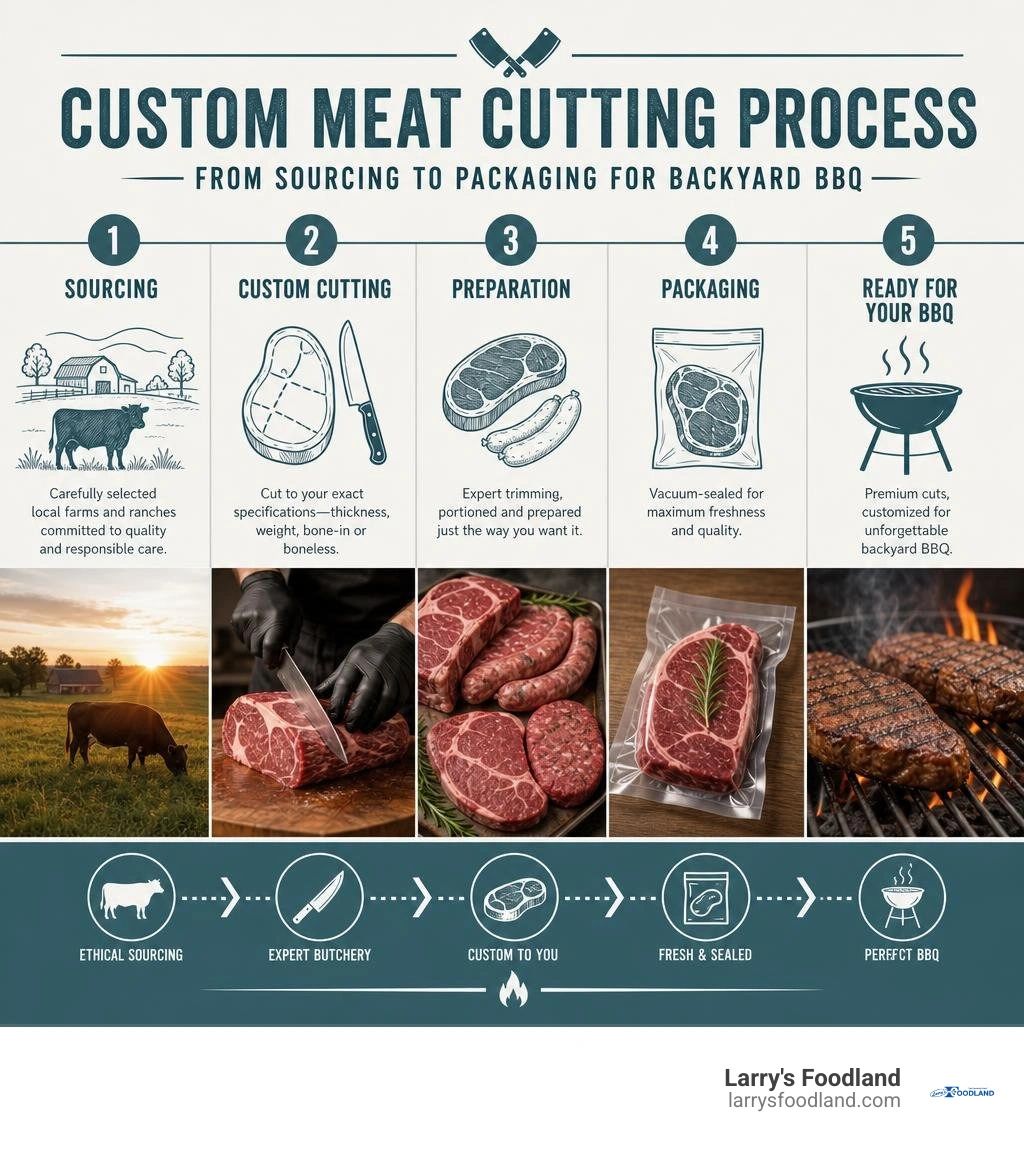
  • A custom butcher shop cuts meat to your exact specifications — thickness, weight, bone-in or boneless — instead of selling pre-packaged cuts
  • Butchers source from local farms and ranchers, often using sustainable and humane practices
  • Services typically include custom steaks, house-made sausages, smoked meats, dry-aged beef, and wild game processing
  • You get fresher meat, more variety, and personalized advice you simply won’t find at a standard grocery counter

The difference shows up the moment you fire up the grill. Pre-packaged supermarket steaks are cut in bulk, weeks in advance, at a facility far from your store. A custom butcher cuts your meat the way you want it, often the same day.

Over 70% of custom butcher shops have reported growing demand for locally sourced meat since 2020. The U.S. custom meat processing industry is projected to reach $15.2 billion by 2027. People are paying attention — and for good reason.

Whether you’re planning a backyard cookout for friends or just want a better weeknight steak, knowing how to use a custom butcher counter can completely change what lands on your plate.
How Custom Meat Cutting Can Elevate Your Next Backyard BBQ

What is a Custom Butcher Shop and Why It Beats the Standard Supermarket Counter

To truly appreciate the magic of a backyard barbecue, we have to look closely at where our meat comes from and how it is prepared. For decades, the rise of mass-production grocery stores pushed traditional butchery to the sidelines. Standard supermarket counters began relying on “case-ready” meats—pre-sliced, pre-packaged portions wrapped in plastic film on styrofoam trays, processed hundreds of miles away.

When you step up to a true custom butcher shop counter, you are turning back the clock to a time when craftsmanship, quality, and direct accountability mattered.

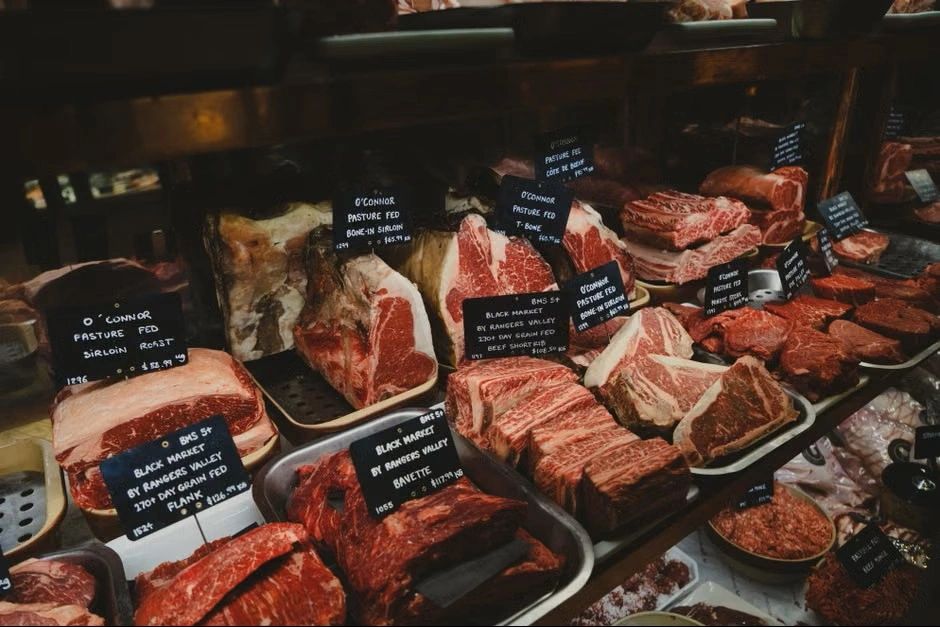
At a standard grocery counter, what you see is what you get. If you want a ribeye but they are all cut to a thin half-inch, you are out of luck. If you need a specific bone-in roast for a weekend smoker project, you won’t find it in the plastic-wrapped display case.

A custom butcher counter operates on an entirely different philosophy. Here, the butcher works directly with whole animals or large primal cuts, slicing your meat to order right in front of your eyes.

This difference in craftsmanship directly impacts how your meat cooks on the grill. When a steak is hand-cut by a professional, the thickness is perfectly uniform. A uniform cut means the entire steak reaches your desired level of doneness at the exact same time. No more dealing with a ribeye that is overcooked on one thin edge and raw in the middle.

Furthermore, our team at Larry’s Foodland takes pride in maintaining this high level of old-world skill. Located right in your neighborhood at Larry’s Foodland, 33151 Plymouth Road, Livonia, MI 48150-1718, US, we bring this dedication to freshness and personalized service to the local community every single day.

Sourcing, Sustainability, and Specialty BBQ Cuts

Where your meat comes from is just as important as how it is cut. In the modern culinary world of 2026, backyard chefs want to know the story behind their food. Sourcing meat from sustainable, local, and humane farms is not just a trend—it is a commitment to better flavor, healthier eating, and environmental responsibility.

How Custom Meat Cutting Can Elevate Your Next Backyard BBQ

When you choose a custom butcher, you are tapping into a carefully curated supply chain. Instead of sourcing from massive, faceless industrial feedlots, custom butchers build direct relationships with local ranchers and regional agricultural networks. In Michigan, we are fortunate to have incredible regional partners and local farms that highlight the strength of our local processing and farming communities.

These local farms prioritize humane animal husbandry. Cattle are pasture-raised, grass-fed, and often grain-finished with zero added hormones or unnecessary antibiotics. This natural lifestyle allows the animals to grow at a healthy, normal pace, which results in superior muscle development and beautiful fat marbling.

If you want to dive deeper into how these sourcing methods impact the flavor of your grilled meats, check out The Ultimate Guide to Custom Cut Meats and Better BBQ.

Choosing the Right Custom Butcher Shop for Dry-Aged Beef and Thick Steaks

If you want to truly elevate your next backyard gathering, it is time to move past basic steaks and explore specialty cuts. A skilled custom butcher can guide you through unique options that you will never find in a standard supermarket aisle:

  • Dry-Aged Beef: Dry aging is the process of resting large cuts of beef in a highly controlled environment (precise temperature, humidity, and airflow) for several weeks. During this time, natural enzymes break down the tough connective tissues, resulting in unparalleled tenderness. Meanwhile, moisture evaporates from the meat, concentrating the beef flavor into a rich, nutty, and almost buttery profile.
  • Tomahawk Steaks: This is the ultimate showstopper for any grill. A Tomahawk is a ribeye steak cut with at least five inches of the rib bone left intact. The bone is scraped clean (frenched), presenting a dramatic look that resembles a single-bit axe. Beyond the aesthetics, cooking a steak on the bone helps retain moisture and imparts a rich flavor to the surrounding meat.
  • Denver Cuts: Cut from the chuck roll, the Denver steak is one of the most heavily marbled, tender, and flavorful alternative cuts available. It is perfect for hot-and-fast grilling.
  • Flat Iron Steaks: Extremely tender and uniform in thickness, the Flat Iron comes from the shoulder of the animal. It is ideal for marinating and slicing thin for gourmet steak tacos or summer salads.
  • Custom Thickness: Do you want a double-cut pork chop or a two-inch-thick New York strip to try the reverse-sear method? Your custom butcher can slice it to the exact millimeter you request.

While specialty stores in the area offer premium items, our focus is on providing these incredible custom options alongside the ultimate convenience of a full-service supermarket.

To put the scale of the custom meat world into perspective, consider that while regional operations across the country serve their respective communities with specialized regional programs, we focus entirely on bringing those same world-class standards of custom-cut excellence directly to Livonia.

Value-Added Products to Elevate Your Grill Game

A great barbecue is about more than just steak. Custom butcher shops excel at creating “value-added” products—handcrafted, ready-to-grill specialties made in-house using time-tested recipes. Nearly 60% of custom butcher shops offer these specialty services, which can save you hours of prep work while introducing bold, exciting flavors to your table.

  • House-Made Sausages: Forget the mass-produced, rubbery hot dogs and brats from the commercial cooler. A custom butcher crafts sausages in small batches using high-quality pork, beef, or lamb blended with fresh herbs and spices. From classic Italian and jalapeño-cheddar brats to specialty regional sausages, these links are juicy, snap perfectly when bitten, and are completely free of artificial fillers.
  • Smoked Meats and Custom Bacon: In-house smoking is a true art form. A custom butcher cures and smokes bacon, hams, and snack sticks using real hardwood smoke (like hickory, applewood, or cherry). The difference in aroma and flavor is night and day compared to liquid-smoke-treated commercial options.
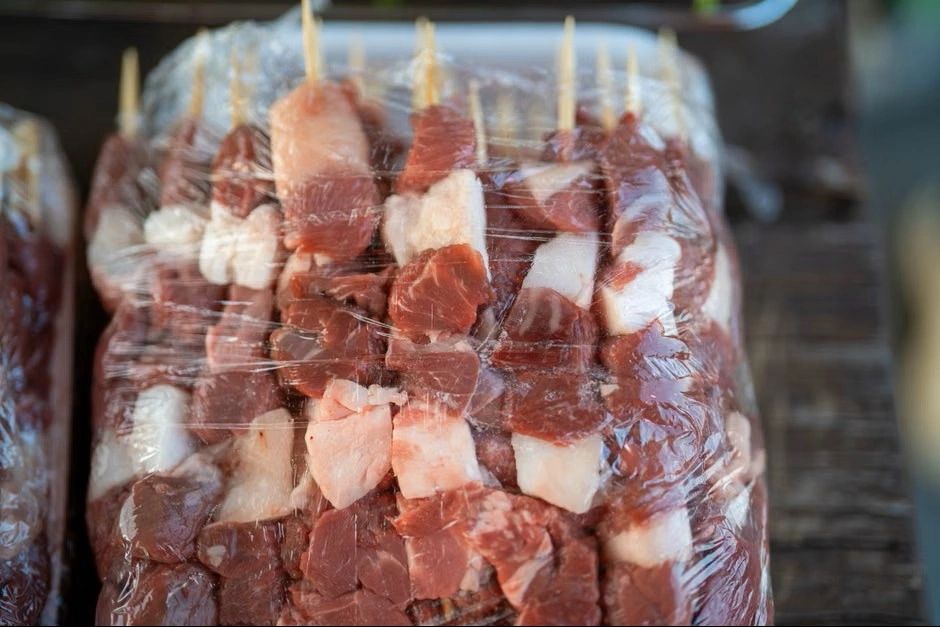
  • Gourmet Kabobs: Pre-skewered, hand-trimmed cubes of premium beef, chicken, or lamb marinated to perfection and layered with fresh, crisp vegetables. They are ready to go straight from our counter to your hot grill grates.
  • Stuffed Pork Chops and Chicken Breasts: Thick-cut chops or poultry pockets stuffed with savory blends of herbs, cheeses, and breadcrumbs, offering a gourmet entree with zero prep work at home.

The Benefits of a 24-Hour Custom Butcher Counter

We have all been there: it is late on a Friday night, the weekend weather forecast suddenly clears up, and you decide to host a spontaneous Saturday afternoon backyard barbecue. Or perhaps you work an unconventional shift and your only free time to prep for a family gathering is in the quiet, late-night hours.

This is where the game-changing convenience of a 24-hour custom butcher counter comes in.
How Custom Meat Cutting Can Elevate Your Next Backyard BBQ

Having round-the-clock access to a professional butcher means you never have to settle for dry, pre-packaged meat just because of the time on the clock. You can walk up to our counter at 2:00 AM and receive the exact same level of personalized service, expert advice, and fresh-cut quality as someone shopping at 2:00 PM.

To learn more about how to make the most of this unique service, read The Midnight Butcher: Your Guide to 24-Hour Custom Cut Meat Near.

Tailoring Cuts to Your Grilling Style

One of the greatest benefits of working with a custom butcher is the opportunity for customer education. You don’t need to be a culinary expert to get the perfect cut of meat; you just need to know how you plan to cook it. Our butchers can tailor your cuts specifically to your chosen grilling style:

  • Low and Slow Smoking: If you are firing up the offset smoker for a long, slow cook, you need cuts with plenty of connective tissue and healthy intramuscular fat. Our butchers can prep a whole packer brisket, leaving the perfect quarter-inch fat cap to keep the meat basted during a 12-hour smoke. We can also prep pork shoulders (Boston butts) or rack after rack of ribs trimmed precisely to competition standards.
  • Hot and Fast Searing: For quick searing over high heat on a charcoal or gas grill, you want tender cuts that cook quickly without drying out. We can slice beautiful skirt steaks for fajitas, thin-cut pork chops, or lean flank steaks.
  • The Best of Both Worlds (Reverse Searing): For thick-cut steaks (1.5 to 2 inches or more), the reverse-sear method is king. You cook the steak gently over low, indirect heat until it is almost done, then finish it with a blazing-hot sear to develop a beautiful crust. Our butchers will gladly slice your ribeyes or New York strips to the exact, substantial thickness required to master this technique.

Prep and Packaging for Maximum Freshness

How your meat is packaged plays a massive role in preserving its quality from the butcher block to your grill grates. Standard grocery stores pack meat on styrofoam trays wrapped in breathable plastic wrap. This exposure to oxygen causes the meat to oxidize, turning it from a vibrant red to a dull gray and accelerating spoilage.

At a custom butcher counter, we use professional packaging techniques designed to lock in peak freshness:

  • Vacuum Packaging (Wet Aging): By removing all oxygen from the packaging, vacuum sealing stops oxidation in its tracks and prevents freezer burn entirely. It also allows the meat to undergo “wet aging” in its own natural juices, which enhances tenderness over time. Vacuum-sealed meats can sit safely in your refrigerator much longer than standard packages, or they can go straight into the freezer for months without any loss of quality.
  • Freezer-Ready Butcher Paper: For immediate use or short-term storage, we wrap your custom cuts in heavy-duty, wax-coated butcher paper. This traditional method protects the meat from light and air while allowing it to breathe just enough to maintain its optimal texture.
  • Pro Marinating Tips: Our butchers can pre-marinate your selections or advise you on the best acid-to-oil ratios for your home marinades, ensuring your meat stays incredibly juicy and flavorful throughout the cooking process.

Frequently Asked Questions About Custom Meat Cutting

How does custom meat cutting save money?

While the price per pound of a custom-cut steak might seem higher than a discount supermarket package at first glance, custom meat cutting actually saves you money in several smart ways:

  • Buying in Bulk (Primal Cuts): You can purchase whole or half primal cuts (such as a whole beef tenderloin, ribeye roll, or pork loin) and have our butchers slice, trim, and package them into individual steaks and roasts for free. Buying the whole muscle group significantly lowers the cost per pound.
  • Zero Waste: When you buy pre-packaged grocery meat, you often pay for heavy bone fragments, large chunks of inedible gristle, and thick layers of surface fat that you will just end up cutting off and throwing away at home. A custom butcher trims your meat to your exact specifications before it is weighed and priced, meaning you only pay for the meat you actually eat.
  • Custom Portioning: You can order the exact amount of meat you need for your family size, avoiding the need to buy oversized pre-packaged trays that might go to waste.

Can I request specific bone-in cuts or custom steak thicknesses?

Absolutely! This is the very essence of what we do. When you step up to our custom counter, you have complete creative control over your order:

  • Custom Thickness: Whether you want a wafer-thin ribeye for cheesesteaks or a massive, three-inch-thick porterhouse for a special celebration, simply tell our butcher your target measurement.
  • Specific Bone-In Requests: You can request bone-in cuts for enhanced flavor and moisture retention during cooking. We can custom-cut bone-in pork loins, bone-in ribeyes, or even prepare custom soup bones and marrow bones for your home stockpot.
  • Direct Communication: Our butchers are always ready to listen, offer suggestions, and make adjustments on the fly to ensure you walk away with the exact cut of meat you envisioned.

What is the difference between dry-aged and wet-aged beef?

Both aging processes are designed to improve the tenderness and flavor of beef, but they achieve this in very different ways:

  • Dry Aging: The meat is hung or placed on racks in a specialized, open-air refrigeration unit for 21 to 45 days. This process allows moisture to evaporate, shrinking the meat slightly and concentrating its natural beef flavor. The result is an incredibly tender steak with a distinct, complex, and deeply savory flavor profile. Because of the moisture loss and the labor-intensive process, dry-aged beef is a premium specialty item.
  • Wet Aging: This is the most common aging method. The meat is sealed in airtight vacuum packaging and aged in a standard cooler. Because no moisture can escape, there is no weight loss, resulting in a steak that is remarkably juicy and tender, with a clean, classic beef flavor. It is a highly effective and affordable way to ensure your steaks are beautifully tender.

Conclusion

Your next backyard barbecue does not have to be ordinary. By stepping away from the generic, pre-packaged supermarket shelves and embracing the craftsmanship of a custom butcher shop, you unlock a world of incredible flavor, custom-tailored cuts, and unmatched freshness.

At Larry’s Foodland, we believe that great meals start with great ingredients. We combine the rich traditions of old-school custom butchery with the modern, round-the-clock convenience of our 24-hour supermarket. Whether you are looking for a showstopping dry-aged Tomahawk steak, house-made specialty sausages, or just some friendly, expert advice on how to prep your smoker for the weekend, our team is always here to help—day or night.

Stop by our full-service Butcher Shop today, talk to our passionate team of meat cutters, and experience how custom meat cutting can transform your backyard grill into the hottest steakhouse in town!
ask-larry-logo[1]

Have a question?Ask larry

Looking for a product? Need help planning an event? Want to place a special order?

Our team is here to help.

Submit your question and we'll get back to you as quickly as possible.

Ask Larry

When You Need Meat at Midnight: What You Should Know First

The Ultimate Guide to Finding a 24-Hour Meat Market Near You

Finding a 24 hour meat market near you is easier than most people think — but knowing what to look for saves time and frustration.

Here are the fastest ways to find 24-hour meat options:

  • Check grocery stores with full-service butcher departments that stay open overnight or around the clock.
  • Look for gas stations or convenience stores with dedicated meat counters — some operate 24/7 and carry fresh and frozen cuts.
  • Search online directories or Google Maps for “24 hour meat market near me” and filter by hours.
  • Contact your local supermarket directly to confirm overnight butcher availability and what cuts are stocked after hours.

Most people shop for meat during the day. But life doesn’t always work that way.

Shift workers get home at 2 AM hungry. A backyard cookout gets planned at 10 PM the night before. A recipe falls apart because the freezer is empty on a Sunday evening.

That’s exactly why round-the-clock access to fresh, quality meat matters more than ever in 2026.

Over 60% of U.S. convenience stores are open 24 hours. And a growing number of full grocery stores and specialty markets have extended their hours to meet real demand — not just late-night snackers, but families, cooks, and professionals who need reliable access outside the 9-to-5 window.

This guide covers everything you need to know: what a true 24-hour meat market offers, how to find one near you, what to expect in terms of quality and selection, and how it stacks up against your standard daytime butcher.

The Ultimate Guide to Finding a 24-Hour Meat Market Near You

The Rise of the 24 hour meat market

The traditional butcher shop model—where the doors lock tight at 5:00 PM or 6:00 PM—is fantastic for those with standard office hours. But as our schedules have diversified, our grocery shopping habits have evolved right along with them. The rise of the 24 hour meat market reflects a major shift in retail convenience.

Extended-hour supermarkets and late-night convenience centers have stepped up to bridge the gap. In the past, if you had a craving for a ribeye steak or needed ground beef for meal prep at 3:00 AM, your only option was a sad, freezer-burned box of mystery meat from a local corner store. Today, modern supply chains and retail technology make it possible to purchase high-quality cuts of meat at any hour of the day or night.

This retail evolution is driven largely by overnight demand. Shift workers, emergency responders, night-owl students, and busy parents all benefit from having access to a fully stocked meat department outside of conventional business hours.

To help visualize how these modern round-the-clock options compare to old-school setups, take a look at this quick breakdown:

Feature 24-Hour Meat Markets / Supermarkets Traditional Daytime Butchers Operating Hours 24 hours a day, 7 days a week Typically 9:00 AM to 6:00 PM Late-Night Availability Full access to fresh & frozen cuts None (doors closed) Convenience High (shop alongside other groceries) Moderate (requires daytime planning) Overnight Custom Cuts Limited to pre-cut selections (usually) Full custom cutting during store hours Additional Services One-stop shopping, bakery, produce Specialized meat & marinades only

Defining the 24-Hour Meat Concept

So, what exactly is a 24 hour meat market? The concept generally falls into two categories:

  • 24-Hour Supermarkets with Dedicated Butcher Departments: These are full-service grocery stores (like us!) that remain open continuously. While the physical butcher counter might be unstaffed during the quietest overnight hours (such as 11:00 PM to 6:00 AM), the meat cases are kept fully stocked with fresh, hand-cut meats wrapped and ready to go.
  • 24-Hour Convenience/Gas Station Meat Counters: In some regions, busy travel centers or large gas stations feature small, dedicated fresh meat cases to serve highway travelers and late-night workers.

It is important to note that while the store itself operates 24/7, holiday schedules may vary. Most round-the-clock locations adjust their hours for major holidays like Thanksgiving and Christmas to give their hard-working teams some well-deserved time off.

Benefits of Shopping at a 24 hour meat market

Why would someone choose to buy their steaks or chicken breasts in the middle of the night? The benefits go far beyond simple novelty:

  • Unmatched Flexibility: You are no longer racing against the clock after a long shift. If your workday ends at midnight, your “evening” grocery run happens at 1:00 AM, and you deserve the same fresh food options as everyone else.
  • Avoiding the Crowds: Let’s be honest—navigating a crowded grocery store on a Saturday afternoon can feel like a contact sport. Shopping at 10:00 PM or 2:00 AM offers a peaceful, quiet environment where you can browse our Butcher Shop selections at your own pace without dodging rogue shopping carts.
  • Instant Gratification for Late-Night Cravings: If you get a sudden urge to light up the smoker for a low-and-slow brisket session starting at dawn, you can grab your wood chips and your premium beef cuts in one trip before the sun even comes up.

What to Expect: Selection, Quality, and Food Safety

A common misconception is that shopping late at night means settling for picked-over leftovers. In a well-managed market, this couldn’t be further from the truth.

When you walk up to a premium round-the-clock meat case, you can expect a wide and diverse selection of proteins:

  • Fresh Beef: From everyday ground chuck and stew meat to premium steaks like ribeyes, New York strips, and T-bones.
  • Pork: Thick-cut pork chops, roasts, ribs, and fresh bacon.
  • Chicken & Poultry: Whole chickens, boneless skinless breasts, thighs, and party wings.
  • Specialty & Exotic Meats: Depending on seasonal demand, you can find specialty items, venison, or custom-blend sausages.
  • Jerky & Smoked Meats: Perfect for quick, high-protein snacks during a late shift.

The Ultimate Guide to Finding a 24-Hour Meat Market Near You

Ensuring Overnight Freshness and Safety

How do we keep everything fresh when the rest of the world is sleeping? Food safety is our absolute top priority, especially during overnight hours.

To guarantee that every cut of meat is safe and delicious, we employ several strict standards:

  • Continuous Cold Chain Management: Our refrigeration systems are equipped with automated, 24/7 temperature monitoring. If a case temperature fluctuates by even a couple of degrees, our maintenance teams are alerted instantly.
  • Sanitation Standards: The overnight shift is when deep cleaning happens. While you browse, our team is busy sanitizing prep areas, cutting boards, and display cases to meet and exceed all local health regulations.
  • Strict Rotation (FIFO): We practice the “First In, First Out” method religiously. Freshly cut meats are continuously rotated, ensuring that the selections on display are always at peak freshness.

Payment Methods and Additional Services

A great shopping experience requires convenience at the register too. Modern 24-hour markets offer a variety of payment methods and customer-focused services to make your late-night run seamless:

  • Flexible Payments: We accept major credit cards, debit cards, mobile payments (like Apple Pay and Google Pay), and EBT (Electronic Benefit Transfer), ensuring everyone has access to fresh food.
  • Loyalty Programs: You can earn points and rewards on your late-night purchases just as you would during the day.
  • Commercial Accounts: Ideal for local restaurants, food trucks, and caterers who need to restock inventory during off-peak hours.

Regional Examples and Shopping Trends

Here in Michigan, grocery trends point toward a growing appreciation for local, high-quality food sources combined with modern convenience. While some shoppers love the experience of visiting specialized local farms for specific items, or browsing regional stores during the day, there is a distinct need for round-the-clock solutions in our busy suburban communities.

In Livonia and the surrounding metro Detroit area, residents balance busy manufacturing shifts, medical careers, and family life. Having a dedicated 24-hour supermarket option means you don’t have to compromise on quality just because you shop late. You can enjoy the same hand-crafted precision of a gourmet market but with the added benefit of 24/7 accessibility.

How to Find a 24 hour meat market Near You

If you are trying to locate a reliable 24-hour meat resource in the Livonia area, here are our top recommendations:

  • Use Trusted Mapping Tools: A quick search on digital maps will show you exactly where to go. For example, you can easily find our location and plan your route using Larry’s Foodland – Livonia, MI .
  • Look for “24-Hour Supermarkets”: Standalone boutique butcher shops almost never operate overnight. Your best bet for late-night meat is always a full-service, 24-hour supermarket that maintains a dedicated, fresh-stocked butcher counter.

Future Trends in Round-the-Clock Meat Retail

As we move through 2026, the meat retail landscape continues to evolve. We are seeing several exciting trends that make buying meat even more convenient:

  • Online Ordering & Curbside Pickup: Imagine ordering a custom-cut ribeye on your phone during your afternoon break and picking it up at 3:00 AM on your way home from work. 24-hour curbside pickup is rapidly growing in popularity.
  • Automated Smart Lockers: Temperature-controlled pickup lockers allow customers to retrieve their fresh meat orders securely at any hour, completely contact-free.
  • Expanded Ready-to-Cook Options: Pre-marinated meats, gourmet burger patties, and skewered kabobs are filling the 24-hour cases, catering to shoppers who want high-quality meals with minimal prep time.

Frequently Asked Questions about 24-Hour Meat Markets

Do 24-hour meat markets offer custom cuts overnight?

In most cases, the physical butcher counter is not staffed by a live cutter between the hours of 11:00 PM and 6:00 AM. However, the display cases are fully loaded with pre-cut, pre-packaged options prepared fresh earlier that day. If you need a specific custom thickness or a specialized cut, it is always best to visit during daytime hours or call ahead to place a custom order that can be held for your late-night pickup.

Are prices higher at a 24-hour meat market?

Not necessarily! While some convenience-focused corner stores might charge a premium for late-night items, a full-service 24-hour supermarket offers the same competitive pricing day and night. You still get access to weekly specials, budget-friendly bulk bundles, and standard retail pricing regardless of what time you check out.

How do 24-hour markets guarantee meat freshness?

We achieve this through strict temperature control, daily inventory rotations, and constant restocking. Because we operate around the clock, our receiving and stocking teams are always working. This means fresh deliveries are processed and placed into the cases continuously, rather than sitting in a back cooler waiting for the store to open.

Conclusion

Whether you are a night shift professional, an early-morning grill master, or simply someone who prefers the peace and quiet of midnight shopping, a 24 hour meat market offers the ultimate in modern convenience. You no longer have to plan your life around traditional retail hours—instead, fresh, high-quality meat is ready whenever you are.

At Larry’s Foodland, we are proud to serve the Livonia, MI community with round-the-clock convenience, fresh produce, an in-house bakery, and a premium, fully stocked meat department.

Planning your next meal? Check out our https://larrysfoodland.com/weekly-sales-ad to find the best deals on premium cuts before your next late-night grocery run!

The Ultimate Guide to Finding a 24-Hour Meat Market Near You

Why Fresh Bakery Delivery Is the Morning Win You’ve Been Missing

Rise and Shine with the Best Fresh Bakery Delivery Services

Finding fresh bakery delivery near me has never been easier — and here are the fastest ways to get it done:

  • Larry’s Foodland Bakery — same-day pickup or delivery on fresh bread, custom cakes, and more
  • Instacart, DoorDash, or Uber Eats — order from local grocery bakeries for same-day delivery
  • Direct bakery websites — schedule custom orders or recurring deliveries straight from the source
  • Grocery store apps — many supermarkets offer scheduled bakery pickup with subscription savings

There’s something special about fresh-baked bread or a warm pastry in the morning. But life moves fast, and not everyone has time to drive to a bakery before work.

That’s where bakery delivery comes in.

Whether you need a custom birthday cake, a sourdough loaf for the week, or a dozen cupcakes for a last-minute celebration, you can get it delivered — often the same day.

The options have grown a lot. Big grocery chains, independent bakeries, and third-party apps like DoorDash and Instacart all now carry fresh baked goods. Some services even offer subscription plans so your favorite bread shows up on a schedule, without you lifting a finger.

In this guide, we’ll walk you through the best ways to find fresh bakery delivery in your area — from quick same-day options to planning ahead for special events.

Rise and Shine with the Best Fresh Bakery Delivery Services

Top Ways to Find Fresh Bakery Delivery Near Me

Rise and Shine with the Best Fresh Bakery Delivery Services

When those morning cravings hit, you do not want to spend hours searching. Getting warm, flaky pastries or crusty artisan bread delivered straight to your door is all about knowing which channels to use. In June 2026, the convenience economy has made bakery delivery incredibly streamlined, offering several pathways to get your flour-dusted fix.

Local Search and Mapping Apps

The quickest way to see what is immediately around you is to open your favorite map app. If you are planning a trip to pick up your treats in person, you can get easy Driving directions to Larry’s Foodland, 33151 Plymouth Rd … to grab your goods straight from our shelves. Mapping apps will also show you nearby independent neighborhood bakeries that might run their own local delivery couriers.

On-Demand Third-Party Delivery Apps

Apps like DoorDash, Uber Eats, and Grubhub have expanded far beyond fast-food joints. Today, they partner with local bakeries and supermarkets alike. By typing “bakery” into these apps, you can easily find local spots that will package up fresh donuts, bagels, or slices of cake and have them on your doorstep in under an hour.

Grocery Delivery Services

If you are looking to combine your bakery order with your weekly grocery haul, services like Instacart are your best friend. You can browse the entire bakery department of your local supermarket, add fresh-baked sandwich bread, cookies, and croissants to your virtual cart, and have a personal shopper hand-select them for same-day delivery.

Same-Day Pickup

Sometimes you are already out running errands and just want to swing by and grab your order without waiting in line. Many local stores and supermarkets allow you to place an order online and select a convenient pickup window. Your items are baked, packaged, and held at the counter or brought straight to your car via curbside pickup.

Freshly Baked Artisan Quality at Your Local Supermarket

Many people assume that to get true “artisan” quality, they have to seek out a tiny, expensive boutique bakery. But today’s supermarkets have stepped up their game, bringing traditional baking techniques into a convenient grocery setting.

True artisan baking is defined by time, high-quality ingredients, and care. Many supermarkets now utilize a slow fermentation process for their breads. Instead of rushing the dough with artificial rising agents, the dough is allowed to ferment slowly over 24 to 48 hours. This slow rise allows the wild yeasts to break down the starches, resulting in a deeper, more complex flavor and a beautiful, airy crumb structure.

Furthermore, these loaves are often hand-shaped by skilled in-store bakers and baked daily in specialized hearth ovens. These high-heat stone ovens mimic traditional European baking environments, creating that perfectly blistered, crispy crust on the outside while keeping the inside soft and chewy.

If you want to experience this level of craftsmanship, look for local options that prioritize traditional, stone-milled grains and hand-shaped loaves. Getting this level of quality no longer requires a trip to a specialized European market; it is baked fresh daily right in your community.

Supermarket Conveniences for Fresh Bakery Delivery Near Me

The beauty of ordering your baked goods from a full-service supermarket is the sheer convenience and cost-efficiency. When you choose a supermarket for your bakery needs, you aren’t just getting access to a single pastry chef’s daily whim—you are getting a massive variety of fresh goods backed by robust delivery infrastructure.

At our very own Bakery, we focus on delivering that perfect balance of scratch-baked quality and everyday convenience. Shopping with us means you can coordinate your bakery delivery with the rest of your household essentials.

Here is why supermarket bakery delivery is a game-changer:

  • One-Stop Shopping: You can order a custom birthday cake, a loaf of rustic sourdough, a gallon of milk, and fresh strawberries all in one single transaction.
  • Budget-Friendly Value: Supermarkets offer competitive pricing that boutique bakeries simply cannot match. Plus, you can easily check our Weekly Sales Ad to find great deals on baked goods, seasonal treats, and weekly staples.
  • Flexible Delivery & Pickup: Through partnerships with major delivery networks, you can schedule your delivery down to a specific one-hour window, or opt for rapid same-day curbside pickup if you are on the go.
  • Guaranteed Freshness: Because supermarkets experience high foot traffic, the inventory rotates rapidly. This means the bread on the shelf or in your delivery bag was likely baked just hours—or even minutes—before it was packed.

What Can You Order for Same-Day Delivery?

One of the biggest questions people have about ordering bakery items online is: What actually travels well, and how fast can I get it?

While some delicate desserts require advance notice, a surprising variety of fresh baked goods are available for same-day delivery. To help you plan your next breakfast, event, or midnight snack, we’ve put together a handy comparison of common bakery items, their typical delivery availability, and how long they stay fresh.

Bakery Item Delivery Availability Shelf Life (Room Temp) Best For Storage Tip Artisan Breads (Sourdough, Baguettes) Same-Day 2–3 Days Sandwiches, toast, dinner sides Wrap in a clean kitchen towel; do not refrigerate. Breakfast Pastries (Croissants, Muffins) Same-Day 1–2 Days Morning meetings, quick breakfasts Warm in the oven at 350°F for 5 minutes to restore crispness. Cupcakes & Cookies Same-Day 3–5 Days School parties, casual desserts Store in an airtight container to prevent drying out. Pies & Tarts Same-Day (Standard) / 48 hrs (Custom) 2–4 Days (refrigerate dairy pies) Family dinners, holidays Keep fruit pies covered on the counter; refrigerate custard pies. Custom Cakes 48 Hours to 1 Week 3–4 Days (refrigerate after cutting) Birthdays, weddings, anniversaries Keep boxed in the fridge; bring to room temp 1 hour before serving.

Custom Cakes and Personalized Desserts

Rise and Shine with the Best Fresh Bakery Delivery Services

When a major milestone rolls around—whether it’s a graduation, an anniversary, a wedding, or a birthday—a standard grocery-shelf cake simply won’t do. You need something personalized, beautiful, and delicious.

Fortunately, ordering custom cakes online has become incredibly simple. Many local bakeries and supermarkets allow you to design your dream cake through online portals where you can choose your size, shape, sponge flavor, fillings, and frosting style.

When it comes to frosting, quality is everything. While some high-volume operations use cheap, overly sweet whipped toppings, premier bakeries stick to traditional, scratch-made real buttercream. This is made the old-fashioned way using rich European butter, finely sifted sugar, and real Madagascar vanilla. The result is a silky, melt-in-your-mouth texture that holds its shape beautifully for intricate piped designs.

Because custom cakes are handcrafted works of art, they do require some planning.

  • Simple Custom Cakes: For a standard round cake with custom writing or basic floral piping, most supermarkets and bakeries require at least 48 hours notice.
  • Intricate & Specialty Cakes: For multi-tiered wedding cakes, 3D sculpted shapes, or highly detailed custom artwork, you should place your order at least 1 week in advance (and often several months in advance for weddings during peak season).

If you are looking for local inspiration in the Livonia area, you can find experienced bakers who have spent decades perfecting the art of custom cakes, pastries, and specialty desserts for our community. Choosing a full-service local provider ensures your custom order is handled with care from the mixing bowl to your doorstep.

Daily Bread and Breakfast Pastries

There is nothing quite like starting your day with a perfectly laminated, flaky croissant or a thick slice of freshly toasted sourdough bread. Thanks to modern delivery services, you can enjoy these bakery-fresh experiences without leaving your kitchen.

If you are looking for daily staples, local supermarket bakeries offer fresh-baked sandwich loaves, soft brioche, crusty French baguettes, and hearty whole-wheat breads every single morning. These are perfect for packing school lunches or elevating your weekend brunch.

But what if you want to experience world-class bakery items from other regions? The rise of nationwide parbaked delivery has changed the game. Services like My Fresh Baguette: Bake-from-frozen artisan quality bread and pastries allow you to order high-quality, parbaked artisan breads and croissants that ship frozen straight to your home. Because they are 80% baked before freezing, you just pop them in your home oven for 15 to 20 minutes, and you get that authentic, fresh-out-of-the-oven bakery smell and taste right in your own kitchen.

Similarly, unique regional concepts across the country show how diverse the artisan bread scene has become. From the curated boxes of Bread Basket NYC | Online Delivery Artisan Bakery | Shop Now Holiday and the slow-fermented, hand-shaped sourdough of Fresh Bread Bakery in Astoria, Queens | Crescent Bakes on the East Coast, to the Japanese-inspired French pastries of Fresh Flours Bakery Seattle | Discover Handmade Fresh Pastries – Order Now in the Pacific Northwest, bakers everywhere are finding creative ways to package and deliver their passions.

How to Choose the Best Delivery Service for Your Needs

With so many options available for fresh bakery delivery near me, how do you choose the right service? It all comes down to balancing convenience, speed, and cost.

Here are the key factors to keep in mind when selecting a delivery method:

  • Delivery Fees and Minimums: Third-party apps often charge a delivery fee plus a service fee, and some require a minimum order amount (usually around $10 to $15) to qualify for delivery. Supermarket apps may offer free delivery if you meet a higher threshold or subscribe to their annual membership.
  • Delivery Windows: If you need your bread exactly at 8:00 AM for breakfast, look for services that allow you to schedule a precise delivery window the night before. On-demand delivery is great for last-minute cravings but can be less predictable during peak morning hours.
  • Subscription Options: If you eat fresh bread every week, look for subscription or recurring delivery options. Some grocery services offer a “Schedule & Save” feature where you can save around 5% on bakery items by having them automatically delivered on a recurring weekly basis.

Direct Bakery Delivery vs. Third-Party Apps

When deciding how to place your order, you will generally choose between ordering directly from a local bakery’s website or using a third-party marketplace app like DoorDash, Uber Eats, or Instacart. Each has its pros and cons.

For quick, daily items like a box of donuts or a loaf of sliced bread, third-party apps are incredibly convenient. However, for delicate, high-value items like a custom wedding or birthday cake, ordering directly through the bakery and utilizing their specialized delivery staff is always the safest bet.

Dietary Accommodations: Gluten-Free and Vegan Options

Following a special diet shouldn’t mean missing out on the joy of fresh baked goods. As demand has grown, bakeries have become incredibly innovative in crafting delicious gluten-free, vegan, and allergy-friendly treats.

However, if you have a severe allergy or celiac disease, it is crucial to understand how a bakery handles its production:

  • Shared Facilities: Many standard bakeries and supermarkets offer gluten-free or vegan options, but they are prepared in a shared kitchen. Because flour can remain airborne for hours, there is always a risk of cross-contamination. If you have a mild sensitivity or choose a gluten-free diet for lifestyle reasons, these options are fantastic.
  • Dedicated Facilities: For those with celiac disease or severe peanut, dairy, or egg allergies, you should search specifically for bakeries that operate out of 100% certified gluten-free or allergen-free facilities. Many supermarkets stock pre-packaged, certified gluten-free baked goods sourced from these dedicated local facilities to ensure absolute safety.

Always read the allergen disclosures on ordering apps, and when in doubt, call the bakery directly to ask about their cross-contamination protocols before placing your order.

Frequently Asked Questions About Bakery Delivery

How far in advance should I order custom cakes?

For standard, simple custom cakes (like a basic birthday cake with piped writing), we require at least 48 hours notice. For complex, multi-tiered specialty cakes, custom artwork, or large event catering, you should place your order at least 1 week in advance to ensure our decorators have adequate time to bring your vision to life.

How do I store and reheat delivered baked goods?

To keep artisan bread fresh, wrap it in a clean kitchen towel and store it on your counter; never refrigerate it, as this draws out moisture and makes it go stale faster. If you won’t finish a loaf within 3 days, slice it, wrap it tightly, and freeze it. To restore that fresh-baked magic, warm your frozen slices in a toaster, or place a whole loaf in a 350°F oven for 10 to 15 minutes. For pastries like croissants, a quick 5 minutes in a warm oven will perfectly restore their flaky, buttery layers.

Are there subscription options for fresh bread?

Yes! Many delivery services and specialty bakeries now offer recurring subscription options. You can build a custom box of your favorite artisan loaves, bagels, or breakfast pastries and choose a delivery frequency (such as weekly or bi-weekly). Many grocery delivery platforms also allow you to add bakery staples to your weekly scheduled auto-ship list, often saving you around 5% per order.

Conclusion

At Larry’s Foodland, we believe that convenience should never mean compromising on quality. As a 24-hour supermarket serving the Livonia, Michigan community, we are proud to offer round-the-clock convenience alongside our full-service butcher and bakery departments.

Whether you are looking to swing by for a late-night treat, order a stunning custom cake for a family milestone, or schedule a fresh loaf of artisan bread to arrive with your weekly grocery delivery, we are here to make your life delicious and simple.

Ready to explore our fresh selections? Check out our Home page to start planning your next meal, browse our weekly specials, or place your next bakery order today!

You’re Probably Spending More Than You Need To at the Grocery Store

Stop Overpaying with These Supermarket Sales Near Me

Finding grocery sale ads near me is one of the fastest ways to cut your weekly food bill — without changing what you eat or where you shop.

Here’s a quick answer if you’re in a hurry:

How to find grocery sale ads near you:

  • Visit your local store’s website and search by ZIP code or city to pull up the current weekly circular
  • Check the store’s mobile app for digital-only coupons and loyalty deals
  • Look for BOGO (buy one, get one) promotions on produce, meat, and pantry staples
  • Stack manufacturer coupons or rebate apps on top of weekly sale prices
  • Sign up for email or text alerts to get new deals the moment they go live

Most weekly ads refresh on Wednesday or Thursday, so that’s the best time to plan your shopping trip for the week ahead.

Grocery prices aren’t going down on their own. Shoppers across the country are feeling it — from beef and chicken to bread and eggs. But every week, local stores publish sale ads packed with real discounts. The problem? Most people never look at them.

That means they’re paying full price for items that were 30%, 50%, or even BOGO free — just a few aisles away from a better deal.

This guide walks you through exactly how to find, read, and stack local grocery sale ads so you stop leaving money on the table.

Stop Overpaying with These Supermarket Sales Near Me

How to Find the Best Grocery Sale Ads Near Me by ZIP Code

Finding localized deals is the cornerstone of smart grocery shopping. Standard national promotions are great, but the real magic happens at the hyper-local level. Food prices, shipping costs, and regional surpluses mean that a promotion running in one town might look completely different just ten miles down the road.

Stop Overpaying with These Supermarket Sales Near Me

To get started, you need to know how to filter out the noise and find the flyers that apply directly to your neighborhood. Most major supermarkets and independent grocers rely on your ZIP code to serve up the correct digital flyer. When you search for deals online, look for a “Set Your Store” or “Store Locator” button at the top of the page. Entering your specific ZIP code (such as 48150 or 48154 here in Livonia) ensures that you are looking at the exact inventory and pricing available at your nearest storefront.

If you want a broader view of what is happening across the entire Detroit metro area, you can use comprehensive local directories. Tools like the Detroit Groceries weekly ads and circulars page aggregate dozens of local flyers into a single, searchable interface. This allows you to compare prices across different regional chains without opening twenty different browser tabs.

Locating Grocery Sale Ads Near Me for Fresh Produce and Meats

When you open a weekly circular, the front page is almost always reserved for the “loss leaders”—high-demand items priced near or even below cost to get you through the double doors. In July 2026, these loss leaders are dominated by summer favorites.

For the best value, keep your eyes peeled for:

  • Seasonal Summer Berries: Look for local Michigan blueberries and sweet cherries. During peak summer, these often drop to incredibly low prices.
  • Custom-Cut Meats: High-quality beef and pork are major budget drivers. While some stores offer pre-packaged, thin-cut steaks on sale, finding a store with an on-site, full-service butcher means you can get custom-thick cuts of ribeye or T-bone at the flyer’s promotional price.
  • Seafood Specials: Summer is prime time for wild-caught salmon, fresh shrimp, and live lobsters.

To make sure you never miss these front-page features, get into the habit of downloading our Weekly Sales Ad every Wednesday evening. Planning your meals around what our butchers are cutting fresh that week is the easiest way to eat like royalty on a budget.

Navigating Digital Portals for Grocery Sale Ads Near Me

The days of messy newsprint circulars cluttering your kitchen counter are quickly coming to an end. Today, navigating digital portals is the most efficient way to organize your shopping trip. Most modern supermarkets offer their flyers in two digital formats: interactive circulars and traditional PDF downloads.

Interactive circulars allow you to click directly on an item to add it to a digital shopping list or clip a matching coupon. If you prefer a highly visual, page-by-page flip experience, PDF flyers are fantastic. You can easily view these on your phone while walking the aisles. Many independent grocers use clean, accessible digital layouts to help shoppers plan ahead.

Using these digital tools also unlocks the convenience of online shopping. Many platforms allow you to build a cart directly from the weekly ad page and transition seamlessly to a convenient local grocery pickup or delivery option. This saves hours of wandering the aisles and keeps you from making those costly impulse purchases.

Maximizing BOGO Deals and Seasonal Summer Savings

If you want to see a dramatic drop in your register total, you need to master the art of the BOGO (Buy One, Get One Free) promotion. BOGOs are not just minor discounts; they are an invitation to stock up on non-perishable staples and freezer-friendly items at a 50% markdown.

Stop Overpaying with These Supermarket Sales Near Me

During our hot July 2026 summer savings events, BOGO deals are everywhere. Supermarkets use these promotions to move high volumes of seasonal inventory, such as hot dog buns, barbecue sauces, marinades, chips, and ice cream. However, the savviest shoppers don’t just buy whatever is on the BOGO rack. They look for high-value items like premium cheeses, butter, bacon, and frozen wild-caught seafood.

When you spot a BOGO on an item your family uses regularly, buy enough to last you through the next sales cycle (which typically rotates every 6 to 8 weeks). If you have the freezer space, stocking up on BOGO butter, meats, and frozen veggies is like putting money directly back into your wallet.

Stacking Coupons with Weekly BOGO Specials

Many shoppers believe that if an item is already on sale or featured as a BOGO, they cannot use a coupon on it. This is one of the biggest myths in the grocery world! Stacking a manufacturer coupon on top of a store BOGO sale is the ultimate secret to maximizing your weekly supermarket deals.

Here is how the stacking process works:

Stop Overpaying with These Supermarket Sales Near Me

By combining these three layers of savings, you can easily walk away with premium products for pennies on the dollar. To learn more about this strategy and see real-world examples, check out our guide on how to Stop Overpaying with These Top Weekly Grocery Flyers.

Finding Long-Term Price Reductions on Everyday Staples

While weekly ads are fantastic for short-term bursts of savings, you should also keep an eye out for long-term price cuts on everyday staples like milk, eggs, bread, and pantry basics. Many independent supermarkets run seasonal price-reduction campaigns that last for several months rather than just seven days.

For instance, you might see a regional flyer featuring a “Price Locked for Summer” promotion on essential goods through September. This helps you understand how retailers structure their seasonal pricing to offer long-term value on everyday items.

Independent supermarkets often have more flexibility than massive corporate chains to lower prices on local dairy and bakery items because they source directly from regional farms and independent bakeries. This means you can often find fresher bread and local milk at a lower everyday price than you would at a national big-box retailer.

Advanced Savings: Loyalty Programs, Store Specials, and Coupon Stacking

To truly graduate to “pro” status in the grocery aisles, you need to understand how different savings mechanisms work together. Combining the weekly circular with a store’s loyalty program and digital-only deals is where the deepest discounts are hidden.

Savings Method Best For How to Access Can It Be Stacked? Weekly Circular Ads Loss leaders, fresh produce, meat specials Online PDF, store entrance flyer Yes, with manufacturer coupons and loyalty deals Digital-Only Coupons Brand-name pantry items, household goods Store mobile app, website portal Yes, can be stacked with weekly ad sale prices Loyalty Club Rewards Points for cash back, exclusive member pricing Phone number at register, loyalty card Yes, automatically applies to eligible sale items Rebate Apps (Ibotta, Fetch) Post-purchase cash back on specific brands Scanning paper receipt after shopping Yes, stacks on top of all in-store discounts

Unlocking Special Promotions and Seasonal Meat Packs

One of the best-kept secrets of independent local supermarkets is the custom butcher bundle or seasonal meat pack. Unlike national chains that sell pre-packaged, pre-frozen meats shipped from thousands of miles away, a store with a full-service, on-site butcher can offer incredible bulk savings on fresh cuts.

During the summer grilling season, look for special promotions like:

  • The Family Grill Pack: A curated bundle of ground chuck, premium steaks, pork chops, and fresh chicken breast at a steep flat-rate discount.
  • Minimum Purchase Discounts: Promotions that offer a special discount (like $5 off your total order) when you spend a certain amount on fresh meat or seafood.
  • Custom Trimming: Our expert butchers will trim fat, bone-out, or portion your meat exactly how you want it at no extra cost—saving you prep time and ensuring you only pay for the meat you actually eat.

Overcoming the Digital Coupon Barrier for All Shoppers

As supermarkets transition to digital-first savings, many shoppers feel left behind. If you aren’t tech-savvy, or if you prefer not to use a smartphone while shopping, accessing “app-only” digital coupons can feel incredibly frustrating.

Thankfully, there is an easy way to bypass this barrier. Most store loyalty programs allow you to link your digital account directly to your home or mobile phone number. You can sit down at a home computer once a week, log into your account, and “clip” all the digital coupons you want. When you get to the register, you don’t need to open an app or scan a barcode. Simply enter your phone number on the credit card terminal, and every single clipped discount will automatically apply to your transaction.

We love sharing simple, practical tips like this to make budget-friendly shopping accessible to everyone in our community. To stay up to date on local food trends, cooking tips, and community happenings, check out our Blogs & Events page.

Frequently Asked Questions about Local Grocery Deals

How often do weekly grocery sale ads update?

Most local grocery sale ads run on a strict 7-day cycle. In our region, these ads typically update and go live on either Wednesday or Thursday morning. This timing is designed to help you plan your weekend shopping trips and stock up on fresh ingredients for Sunday family dinners.

Can I stack digital manufacturer coupons with in-store BOGO deals?

Yes! In almost all cases, you can apply a digital or paper manufacturer coupon to an item that is already featured in an in-store BOGO sale. Some store policies even allow you to use two coupons on a BOGO deal (one for the purchase item and one for the free item), though you should always check the specific store’s coupon policy at the customer service desk to confirm.

Do I need a loyalty membership to get the advertised flyer prices?

While some national big-box stores restrict their best flyer prices to loyalty members, many independent local grocers believe in transparent pricing. At our store, the prices you see in our weekly flyer are open to everyone—no secret handshakes, complicated apps, or memberships required to save on your family’s dinner.

Conclusion

At the end of the day, feeding your family high-quality, delicious meals shouldn’t require you to overpay or spend hours cutting paper coupons. By taking just five minutes every week to review the grocery sale ads near me, you can easily keep your hard-earned money where it belongs: in your pocket.

At Larry’s Foodland, we have been helping our Livonia neighbors shop smart and eat well for years. We understand that life is busy, which is why we are proud to offer 24-hour convenience at our 33151 Plymouth Rd location. Whether you are getting off a late shift or beating the weekend rush, our doors are always open.

Step inside any time of day or night to experience the difference of a true local market, featuring:

  • A full-service butcher department where we cut and trim fresh meat to your exact specifications.
  • An artisan bakery serving up fresh-baked breads, sweet treats, and custom cakes daily.
  • A vibrant produce department packed with peak-of-season fruits and vegetables.

Ready to see what is on sale right now? View our current Weekly Sales Ad and start planning your next budget-friendly feast today!

Why 24-Hour Food Shopping Is Getting Harder to Find

Open All Night: Best 24-Hour Food Shopping Spots Near You

If you rely on 24-hour food shopping to fit groceries around a late shift, an early morning, or a midnight craving, you’re not alone – and you’ve probably noticed it’s getting harder to find stores that are actually open all night.

Here are the most reliable options still offering round-the-clock food access in 2026:

Type Examples What’s Available Convenience stores Neighborhood convenience shops and travel centers Snacks, drinks, basic essentials Select grocery stores Various regional and independent grocers Full grocery aisles at select locations 24-hour restaurants Select diners and late-night restaurants Hot meals, breakfast-style options, quick bites On-demand delivery Local restaurant and grocery delivery apps Varies by city and time of night

Before the pandemic, a 24-hour grocery store or diner felt like a given in most cities. Today, that’s no longer the case.

Many national supercenters – once among the most visible symbols of round-the-clock retail – switched to limited daytime hours in March 2020 and have no plans to return to 24/7 operations. Many local diners, pharmacies, and supermarkets followed the same path and never looked back.

The numbers tell the story clearly. In 1973, about 6% of U.S. workers were on the job during the overnight hours of 10 p.m. to 4 a.m. By 2023, that figure had dropped to just 3.6%. Fewer night workers means less demand – and less reason for stores to keep the lights on.

For busy households, shift workers, and anyone who needs fresh food outside of normal business hours, this shift has real consequences.

Open All Night: Best 24-Hour Food Shopping Spots Near You

The Evolution of 24-Hour Food Shopping

Open All Night: Best 24-Hour Food Shopping Spots Near You

The concept of round-the-clock retail wasn’t always a rarity. In fact, for decades, the trend was moving in the opposite direction. Convenience retailers helped popularize 24-hour operations in the 1960s to accommodate students, travelers, and late-night shoppers, and the model quickly spread across the country. By the late 20th century, major supermarket chains and supercenters made 24-hour access a standard expectation for suburban and urban shoppers alike.

However, the COVID-19 pandemic acted as a massive reset button. What began as a temporary measure to allow for deep-cleaning and restocking during the health crisis turned into a permanent shift in business strategy.

Consumer habits evolved rapidly during this time. The rise of hybrid work schedules allowed people more flexibility to shop during daytime hours, reducing the traditional “after-hours” rush. Additionally, the massive growth of online grocery e-commerce and home delivery services meant that people no longer had to physically visit a store at 2 a.m. to get their late-night essentials.

Why Traditional 24-Hour Food Shopping Has Changed

Operating a full-scale retail business during the graveyard shift has become incredibly expensive and logistically challenging. The primary driver behind this change is the soaring cost of labor. Between April 2023 and March 2024, labor costs for independent supermarkets increased by more than 15% – the largest increase on record.

When you combine rising wages with the premium rates required to attract night-shift workers, keeping a store fully staffed overnight often results in a net financial loss. It is simply hard to find people willing to work those hours when only 3.6% of the workforce operates during off-peak hours.

Inflation has also squeezed profit margins across the board. For example, wholesale prices for key staples have fluctuated wildly; in 2019, a dozen large eggs in California cost $1.62, peaked at a staggering $7.50 in December 2022, and currently stands at $5.21 in 2026. With operating costs so high, businesses have had to look at their bottom lines and trim the least profitable hours of the day. To see how we keep our prices competitive despite these industry-wide pressures, you can check out our Weekly Sales Ad for the latest deals.

The Rise of Automated and App-Based Retail Concepts

As traditional retail hours shrink, technology is stepping in to fill the void. Across the globe, fully automated, app-based “smart” store concepts are being tested to provide 24/7 access without the high cost of overnight staffing.

In Europe, some retailers are piloting 24-hour automated supermarkets. These locations function with normal staff during the day, but after 7:00 p.m., they transition to a fully self-service model. Customers gain entry using a smartphone app, shop the aisles, and use automated self-checkout lanes. Security is maintained through advanced camera and sensor systems that monitor the store in real time.

While these automated systems are highly efficient for packaged goods and pantry staples, they still face limitations when it comes to fresh, perishable items that require regular rotation and handling. For true quality, nothing beats a physical store where real people curate the selection. If you are looking for top-tier, hand-selected greens and fruits at any hour, explore our fresh Produce department.

Top Spots for Late-Night Cravings and Groceries

Open All Night: Best 24-Hour Food Shopping Spots Near You

When those midnight cravings hit or your work schedule demands an overnight grocery run, your options will vary wildly depending on what you are looking for. While convenience stores are great for a quick bag of chips or a soda, finding a full-service fresh food option during the late hours is a much tougher challenge.

For those who want high-quality ingredients to cook a real meal, the standard convenience store selection of pre-packaged snacks simply won’t cut it. Finding premium, fresh proteins in the middle of the night is nearly impossible at national chains, which is why having access to a local, dedicated Butcher Shop that understands the needs of late-shift workers is incredibly valuable.

The Rarity of Round-the-Clock Supermarkets

True 24-hour supermarkets have become an endangered species. National grocery giants have systematically rolled back their hours, leaving massive geographic gaps where residents have zero access to fresh food overnight.

If you look at the broader regional landscape, the decline is stark. For instance, residents often wonder Are There Any 24-Hour Grocery Stores Left in West Michigan? as local options have dwindled to almost nothing. This makes independent, community-focused supermarkets that refuse to cut corners even more essential.

When national chains close their doors at 9:00 p.m., local shift workers, emergency personnel, and night owls rely on independent stores to keep their kitchens stocked. Whether you need a quick midnight sandwich or sliced meats for tomorrow’s lunch, our full-service Deli remains ready to serve you when everyone else has closed up for the night.

How to Find Reliable 24-Hour Food Shopping Near You

Because operating hours are constantly shifting, you cannot always trust the hours listed on third-party search engines. Here are the best ways to verify if a store is truly open before you make the drive:

  • Use Google Maps Wisely: Filter your search results by selecting the “Open Now” button and setting the custom time to the hour you plan to shop.
  • Check the Official Store Locator: National chains often update their corporate websites faster than local search directories.
  • Call Ahead: If you are heading out past midnight, a quick 30-second phone call to the service desk can save you a wasted trip.
  • Watch for Holiday and Maintenance Closures: Some 24-hour stores briefly close on specific holidays or overnight on Sunday into Monday for deep cleaning.

The Economics Behind the Decline of Overnight Retail

The decision to end 24-hour operations is rarely about a lack of customers. Instead, it is a matter of basic math. The overhead costs of keeping a massive retail space open overnight often dwarf the revenue generated during those hours.

Independent supermarkets, which operate on notoriously razor-thin margins, have been hit hardest by rising utility costs, insurance premiums, and labor expenses. To understand the financial reality, consider this comparison of typical daytime versus overnight operational costs:

Expense Category Daytime Operations (7 AM – 9 PM) Overnight Operations (9 PM – 7 AM) Labor Rates Standard hourly wages Premium night-shift differential (typically +15-20%) Energy Consumption High (fully utilized for peak customer volume) High (HVAC and lighting must remain fully active for safety) Average Transaction Size High (families buying full carts of weekly groceries) Low (individuals buying single items or emergency supplies) Security Risk & Staffing Standard coverage Enhanced security personnel and surveillance required

With overnight transactions averaging a fraction of daytime sales, most retailers simply cannot justify the math of staying open 24/7.

Impact on Night-Shift Workers and Emergency Needs

The retreat from 24-hour operations has created significant challenges for a large segment of the population. Healthcare workers, law enforcement, logistics staff, and factory workers often find themselves living in temporary “food deserts” when their shifts end.

Without access to a proper grocery store, these essential workers are frequently forced to rely on fast food or gas station snacks, which lacks nutritional value. This makes the availability of high-quality, hot, or ready-to-heat meals during off-hours incredibly important. For those who want a wholesome, home-cooked meal without the prep work after a long night shift, our selection of Prepared Foods offers a convenient, nutritious solution.

Delivery and Pickup Alternatives for Late-Night Food

For those times when you cannot make it to a physical store, third-party restaurant and grocery delivery apps can offer a convenient alternative. However, convenience comes at a cost. Late-night deliveries often carry inflated service fees, long-distance delivery charges, and driver tips that can easily double the price of your order.

If you are looking to save money, opting for late-night pickup is often a much more budget-friendly choice. You avoid the delivery markups while still getting exactly what you need. And if you are planning a relaxed night in after a long week, you can easily pair your late-night meal with a selection from our extensive Beer & Wine department during legal sale hours.

Frequently Asked Questions about Late-Night Food

Why did major supermarkets stop staying open 24/7?

The shift away from 24/7 operations was accelerated by the pandemic and cemented by permanent economic changes. Rising labor costs, a shortage of overnight workers, and high utility expenses made the graveyard shift unprofitable. Many national chains permanently retired their 24-hour schedules in 2020, redirecting resources to daytime operations and online fulfillment.

How can I save on late-night food delivery fees?

To keep your late-night food costs down, compare delivery memberships that offer reduced or waived delivery fees for a flat monthly rate. Additionally, look out for promo codes, avoid ordering during peak “surge” hours, or choose the pickup option to bypass delivery and service fees entirely.

Are there any fully automated 24-hour grocery stores?

Yes, automated “smart” stores are currently being tested, primarily in European markets. These locations use smartphone apps for entry, smart cameras to track items, and automated checkout systems to eliminate the need for overnight staff. While highly efficient for packaged goods, they are still rare in the United States and struggle to offer full-service fresh departments like custom meats and fresh bakeries.

Conclusion

While the era of national 24-hour mega-chains has largely come to an end, you don’t have to settle for stale gas station snacks or expensive delivery apps when the midnight hunger strikes.

At Larry’s Foodland, we proudly buck the trend by remaining a dedicated 24-hour supermarket committed to serving the Livonia community around the clock. We believe that everyone — regardless of their work schedule or lifestyle — deserves access to fresh, high-quality food at any hour of the day or night.

Whether you are looking for crisp, fresh produce, custom-cut meats from our butcher, or warm baked goods from our Bakery, we have you covered. Stop by and see us at Larry’s Foodland, 33151 Plymouth Road, Livonia, MI 48150-1718, US to experience the convenience of true, local 24-hour shopping.

Ready to plan your next shopping trip or check out our departments? Visit our Home page to explore everything we have to offer, sign up for our Loyalty Program to start saving, or Contact our friendly team today!

Why Finding a Fresh Produce Market Near Me Actually Matters

Stop Eating Sad Veggies and Find a Fresh Produce Market Near You

Finding a fresh produce market near me can be the difference between meals that feel alive and groceries that taste like cardboard. Here are the best ways to locate one fast:

  • Search Google Maps for “farmers market” or “fresh produce market” + your city
  • Check your city’s official website or state agriculture resources for curated market directories
  • Look for year-round options like local grocery markets, greenmarkets, or farm stands open daily
  • Ask neighbors or check Nextdoor – small seasonal stands often do not rank on Google

Most people do not realize how many options exist beyond the standard supermarket. In the U.S. alone, there are thousands of farmers markets, farm stands, roadside markets, and community greenmarkets. Many communities also support seasonal market programs, local food directories, and neighborhood food access initiatives that help residents connect with fresher ingredients.

The problem is not availability. It is knowing where to look – and what to look for once you get there.

This guide breaks it all down simply, so you can find fresh, quality produce close to home without the guesswork.

Stop Eating Sad Veggies and Find a Fresh Produce Market Near You

What to Look For in a Fresh Produce Market Near Me

Stop Eating Sad Veggies and Find a Fresh Produce Market Near You

When you set out to find a reliable fresh produce market near me, it is easy to get distracted by flashy signage or trendy displays. However, a truly exceptional market is defined by the quality of its inventory, its commitment to food safety, and its transparency.

First and foremost, look for clear labeling. Whether you are looking for certified organic options or conventional favorites, a great market makes it easy to identify how and where your food was grown. Organic certification ensures that your fruits and vegetables are grown without synthetic fertilizers or pesticides, prioritizing soil health and biodiversity. If you want to dive deeper into how to source the best organic items, take a look at our guide on how to Lettuce Find the Best Fresh Organic Food Near Me Right Now.

Beyond organic labels, keep an eye out for local sourcing and heirloom varieties. Heirloom produce—such as Cherokee Purple tomatoes or glass gem corn—offers unique flavors and historical genetics that commercial farming often leaves behind. A market that stocks these items values culinary diversity and agricultural preservation.

Sourcing and Variety at a Fresh Produce Market Near Me

A superior market should offer a balance of everyday local staples and exciting, hard-to-find items. When we browse the aisles, we love to see a colorful mix of regional favorites alongside exotic fruits like dragon fruit, starfruit, and papaya.

To maintain this variety year-round, top-tier markets rely on robust partnerships with high-quality regional distributors and fresh supply chains. For example, trusted wholesale networks like Peirone Produce have spent decades perfecting the logistics of moving goods from farms to store shelves without losing peak-of-season freshness. By working with established distributors, a local market can guarantee that even out-of-season or imported specialty greens meet strict quality standards for color, aroma, and texture.

Community and Farmer Support

Shopping at a dedicated produce market is about more than just filling your fridge—it is an investment in your local economy. When markets prioritize regional growers and family farms, they help preserve open green spaces and support sustainable agriculture.

By bypassing massive corporate supply chains, a larger portion of every dollar you spend goes directly back to the farmers and local artisans who craft specialty cheeses, fresh breads, and small-batch preserves. If you are living in Michigan, you can easily locate these community-focused hubs using the directory provided by the Find A Farmers Market – Michigan Farmers Market Association. Supporting these venues keeps our food systems resilient and our local communities thriving.

Types of Local Produce Markets and How They Compare

Not all produce markets are created equal. Depending on your schedule, budget, and culinary needs, you might find yourself choosing between a few different styles of retail.

Market Type Best For Seasonality Convenience Traditional Farm Stands Ultra-fresh, hyper-local single-farm goods Seasonal (Spring – Autumn) Moderate (Limited hours/locations) Farmers Markets / Public Markets Community events, artisan goods, diverse vendors Mostly seasonal (Some year-round) Weekly (Usually weekends) Local 24-Hour Grocery Stores Ultimate convenience, complete grocery shopping Year-round High (Open 24/7)

To understand how food moves from these different sources to your kitchen, consider this quick look at supply chain steps:

Stop Eating Sad Veggies and Find a Fresh Produce Market Near You

Traditional Farm Stands and Roadside Markets

There is a distinct charm to buying your food just steps from where it was pulled out of the dirt. Traditional farm stands and roadside markets offer strong seasonal availability and daily harvests. These operations are often run by local farming families who live and work on the land.

Many roadside markets showcase how family farming traditions can keep communities connected to their food source across generations. Some farm stands also combine produce sales with hands-on seasonal experiences, such as you-pick flowers, pumpkins, berries, or other harvest activities. While these stands offer a fresh farm-to-table experience, they are highly dependent on the local growing season and typically operate with limited seasonal hours.

Year-Round Public Markets and Greenmarkets

If you live in a bustling urban or suburban area, waiting for a weekend farm stand is not always practical. That is where year-round public markets and greenmarkets come in. These community hubs act as vital year-round fresh food access points, bridging the gap between rural growers and urban residents.

In many cities, public market models help residents access seasonal fruits, vegetables, seafood, baked goods, and specialty items in one convenient place. Locally in Michigan, community-focused farmers market programs also provide festive, accessible spaces for residents to gather, shop, and celebrate regional agriculture.

Maximizing Your Visit to a Fresh Produce Market

Stop Eating Sad Veggies and Find a Fresh Produce Market Near You

To get the most out of your trip to a fresh produce market near me, a little preparation goes a long way. Before you head out the door, consider how you plan to pay, how you will transport your haul, and what is currently in season.

Bringing reusable insulated bags is a great way to keep delicate leafy greens from wilting on the ride home. Additionally, checking parking and public transit options ahead of time will save you from unnecessary weekend traffic headaches.

Navigating Payment Options and Food Assistance Programs

A common misconception is that fresh, high-quality produce is only accessible to those with large grocery budgets. Today, many markets are actively breaking down these barriers by accepting a wide variety of payment methods.

In addition to cash, credit, and debit cards, many community markets and dedicated grocery stores proudly accept SNAP/EBT benefits. Many states run matching programs, such as “Double Up Food Bucks” in Michigan or “FRESH Match” in other regional networks, which provide a dollar-for-dollar match on food assistance benefits spent on fresh fruits and vegetables. These programs make eating healthy, locally grown food highly affordable for every family.

Finding the Best Fresh Produce Market Near Me for Seasonal Shopping

Shopping seasonally is the secret to unlocking the best flavors and lowest prices. When produce is in its peak season, the supply is abundant, which drives costs down and ensures the items did not have to travel thousands of miles to reach you.

When planning your meals, try to build your menus around what is naturally thriving. For a broader look at where to find excellent year-round grocery options and specialty purveyors in our local area, you can browse the official Grocery Store Category listings.

While seasonal open-air markets are fantastic for weekend outings, busy weekdays often require a more reliable, permanent solution. Having dedicated, daily-sourced retail options in our Michigan neighborhoods ensures you always have access to high-quality ingredients when you need them.

Frequently Asked Questions About Fresh Produce Markets

How do I find a fresh produce market near me that accepts SNAP/EBT?

Many modern markets and local grocery stores make food accessibility a top priority. To find participating locations, you can use the USDA’s official SNAP retail locator online, or visit state-specific directories like the Michigan Farmers Market Association website. When you arrive at the market, look for the information booth or ask the cashiers about benefit matching programs that can double your purchasing power for fresh fruits and vegetables.

What is the difference between organic and conventional local produce?

The primary differences lie in soil health, pesticide use, and certification standards. Certified organic produce is grown without synthetic chemicals, relying instead on natural fertilizers and crop rotation to manage pests and enrich the soil. Conventional local produce may still use standard agricultural practices but benefit from being harvested closer to peak ripeness because it does not have to survive long-distance shipping.

How should I store fresh market produce to keep it from spoiling?

Proper storage depends on the item’s sensitivity to humidity and ethylene gas (a natural ripening agent).

  • Leafy greens and herbs thrive in high humidity; wrap them in a damp paper towel and store them in a reusable bag in your refrigerator’s crisper drawer.
  • Ethylene producers like bananas, avocados, and tomatoes should be kept on the counter and away from ethylene-sensitive items like broccoli, carrots, and leafy greens to prevent premature spoiling.

Conclusion

At the end of the day, you deserve to eat vibrant, nutrient-dense meals that make you feel great. While seasonal weekend markets are a wonderful way to connect with the community, your craving for fresh food does not stick to a strict weekend schedule.

That is where we come in. At Larry’s Foodland, located at 33151 Plymouth Rd in Livonia, MI, we offer the ultimate 24-hour convenience for busy families and late-night culinary creators alike. You can skip the sad, wilted supermarket veggies and explore our hand-selected Produce department any time of the day or night. Pair your fresh greens with premium cuts from our full-service, custom-cut butcher shop, or grab a loaf of scratch-baked bread from our artisan bakery.

Stop settling for subpar groceries. Learn more about our story, check out our weekly specials, and plan your next visit by heading over to the Larry’s Foodland – Livonia, MI map directory or visiting our main website at https://larrysfoodland.com/home today!

A – Z Guide to Deli Meats

What Are Deli Meats? Your Quick Guide to Cold Cuts

Deli meats are pre-cooked, cured, or smoked proteins sliced thin and served in sandwiches, on charcuterie boards, or as quick high-protein snacks. Here are the most popular types you’ll find at a full-service deli counter:

Type Style Best Used For Turkey Roasted or smoked Sandwiches, wraps Ham Honey, Virginia, or smoked Breakfast, sandwiches Roast Beef Seasoned and slow-roasted Hot or cold sandwiches Salami Cured and air-dried Charcuterie, pizza, snacking Pepperoni Spiced and smoked Pizza, antipasto Prosciutto Salt-cured and aged Charcuterie, appetizers Pastrami Brined, smoked, and steamed Classic deli sandwiches Bologna Cooked and emulsified Everyday sandwiches

From Roman legionaries packing pancetta on long marches to the towering pastrami sandwiches of New York’s iconic delis, deli meats have fed people across centuries and cultures. Today, they remain one of the most practical, protein-rich foods you can keep on hand.

The category has also changed a lot in recent years. Modern production methods have cut fat and sodium significantly while preserving the bold flavors people love. And with options ranging from budget-friendly bologna to premium prosciutto aged in the Italian countryside, there’s something for every taste and budget.

This guide covers everything — popular varieties, prices, nutrition, quality certifications, and how to work cold cuts into a healthy diet at any age.

A – Z Guide to Deli Meats

Slicing the Market: Popular Types of Deli Meats

Step up to any modern counter and you will be greeted by a mouthwatering array of options. The world of deli meats is incredibly diverse, spanning from simple, clean poultry cuts to deeply complex, dry-cured Italian delicacies.

At our full-service Deli counter, we see how different styles of cold cuts satisfy different culinary needs. Let’s break down the heavy hitters:

  • Turkey Breast: The undisputed champion of the modern lunchbox. Whether you prefer it oven-roasted, hickory-smoked, honey-glazed, or rubbed with bold Cajun spices, turkey is loved for its exceptionally lean profile and clean, mild taste.
  • Ham: A versatile classic that balances sweet and savory notes. From sweet maple and honey-cured hams to rustic, smoky Virginia-style hams, this pork staple is a favorite for both cold sandwiches and hot breakfast biscuits.
  • Roast Beef: For those who crave deep, savory satisfaction. Premium roast beef is seasoned with garlic, salt, and pepper, then slow-roasted to medium-rare perfection. It should be sliced paper-thin so it melts in your mouth.
  • Salami: A dry-cured masterpiece. Salami (such as Genoa or Hard Salami) is made from ground pork or beef mixed with garlic, wine, and spices, which is then air-dried to develop its signature tangy flavor.
  • Pepperoni: Known primarily as a pizza topping, but sliced thin at the counter, it adds a spicy, smoky kick to Italian sub sandwiches and party platters.
  • Prosciutto: The ultimate luxury. This Italian classic consists of whole pork legs rubbed with salt and aged for months—sometimes years—resulting in a delicate, buttery texture and savory flavor.

Sliced Deli Meats for Quick Delivery and Pickup

As we move through July 2026, busy lifestyles are continuing to reshape how we shop for groceries. More than ever, convenience is driving the market. According to recent industry data published in Consumers favoring pre-sliced deli meat | The National Provisioner, there has been a massive shift in consumer behavior. While traditional service counters still have their loyalists, sales of pre-sliced, grab-and-go deli meats have surged, showing strong year-over-year growth in both dollar sales and volume.

Why the sudden shift? It all comes down to time. Shoppers love skipping the deli counter line. Grabbing a pre-sliced package of premium turkey or Genoa salami that has been sealed for freshness gives you the exact same high-quality meat in a fraction of the time.

Additionally, packaging innovations have made a big difference. Many modern pre-sliced tubs and pouches are designed to extend shelf life naturally, and some even double as microwave-safe or oven-safe heating vessels. If you are planning a busy week, you can easily browse our Weekly Sales Ad to find great deals on these convenient, pre-sliced favorites for same-day pickup or delivery.

Price Per Pound Variations Across Popular Deli Meats

When planning your weekly meals or putting together a party platter, it helps to understand why prices vary so much across the deli case. You might pay $6.00 a pound for basic bologna, but over $25.00 a pound for imported prosciutto.

The price of deli meats is determined by three main factors: the cost of the raw meat, the complexity of the preparation process, and the time required for aging. Whole-muscle cuts (like roast beef) and dry-cured meats that require months of climate-controlled aging (like salami and prosciutto) naturally command higher prices than emulsified or quickly cooked meats.

Here is a general price-per-pound comparison to help you budget for your next sandwich run:

Deli Meat Type Average Price Range (per lb) Why the Price Differs? Prosciutto (DOP/Premium) $18.00 – $30.00+ Requires up to 2 years of aging, strict geographic sourcing, and high labor costs. Salami & Pepperoni $9.00 – $16.00 Dry-curing and fermentation take several weeks to months to develop flavor. Roast Beef $11.00 – $17.00 Uses premium, whole-muscle beef cuts that are carefully trimmed and slow-roasted. Turkey & Ham $7.00 – $13.00 Quick cooking times and high yields keep these classic proteins highly affordable. Bologna & Lunch Loaves $4.00 – $7.00 Emulsified meats with simpler processing methods, offering maximum budget value.

The Traditional Art of Making Authentic Pastrami

A – Z Guide to Deli Meats

There is something magical about a hot pastrami sandwich. The meat is tender, juicy, and packed with a complex blend of smoke, salt, and spice. But authentic pastrami is not something you can rush. It is the result of a time-honored, multi-week craft that has been preserved by historic Jewish delis for over a century.

While you can purchase quick-cooked, mass-produced pastrami, it simply cannot compare to the real deal. Traditional pastrami is made from the beef plate or “navel” cut—a naturally marbled, fatty cut of meat that becomes incredibly tender and flavorful when subjected to the slow, traditional curing process.

The 6-Step Traditional Preparation Process

To understand why artisan pastrami tastes so spectacular, you have to look at the labor-intensive steps required to make it:

  • Brining (The Pickling Phase): The journey begins with a deep brine. The beef navel is submerged in a seasoned saltwater solution containing garlic, coriander, black pepper, and curing salts. This process takes a full three weeks to ensure the cure penetrates to the very center of the meat, preserving it and building a flavorful foundation.
  • The Spice Rub: Once cured, the meat is removed from the brine and coated in a thick, coarse dry rub. The signature pastrami crust relies heavily on cracked black pepper and crushed coriander seeds, along with a secret blend of garlic, mustard seed, and other warm spices.
  • Slow Smoking: The spiced meat is transferred to a smokehouse, where it is slow-smoked over hardwood (usually hickory) for three days. This step infuses the meat with a deep, woody aroma and partially cooks it, setting the spice crust in place.
  • Boiling: Because the navel is a tough, fatty cut, it requires moist heat to break down the connective tissue. The smoked pastrami is boiled in water for roughly three hours until it starts to tenderize.
  • Steaming: Before serving, the pastrami is placed in a steam cabinet. Steaming melts the remaining fat, transforming the meat into a velvet-soft, melt-in-your-mouth delicacy.
  • Hand-Carving: Slicing is an art form in itself. A machine slice can strip the meat of its juices, so traditional carvers slice the hot pastrami by hand using long, razor-sharp knives. Slicing against the grain at a slight angle ensures every slice is tender and structurally perfect for sandwich construction.

If you want to experience this legendary NYC-style craft at home, you can order authentic, slow-cured meats directly from world-famous institutions. You can find ready-to-eat options like Katz’s Deli | Sliced Pastrami – NYC’s oldest deli or purchase a slab to steam and carve yourself with Katz’s Deli | Whole Pastrami – NYC’s oldest deli .

Nutritional Evolution and Health Profile of Modern Cold Cuts

A – Z Guide to Deli Meats

For a long time, cold cuts carried a reputation for being high in fat, cholesterol, and sodium. While that may have been true in the mid-20th century, the nutritional landscape of deli meats has undergone a quiet revolution over the past two decades. Driven by consumer demand for healthier options, food scientists and traditional producers alike have worked to reformulate recipes without sacrificing flavor.

Modern slicing meats are now leaner, cleaner, and more nutritionally dense than ever before. By selecting high-quality whole cuts, trimming away excess outer fat, and using advanced curing techniques, producers have successfully aligned these convenient proteins with modern dietary guidelines.

Italian Cold Cuts: 20 Years of Nutritional Improvements

Some of the most impressive nutritional advancements have occurred in the heart of traditional Italian charcuterie. Italian producers have proven that you can embrace modern health standards while strictly adhering to centuries-old recipes.

According to extensive research detailed in the official guide on DELI MEATS , Italian cold cuts have seen dramatic improvements in their fat, sodium, and cholesterol profiles over the last twenty years:

  • Fat Reduction: Cooked ham (prosciutto cotto) has almost halved its fat content in less than 20 years, dropping from 14.7g to 7.6g of fat per 100g—a massive 48% reduction.
  • Cholesterol Drops: The cholesterol content in prosciutto cotto fell by 22% (dropping from 62mg to 49mg per 100g). Even rich favorites like Mortadella Bologna now contain only about 70mg of cholesterol per 100g, which is highly comparable to skinless chicken breast or sea bass.
  • Sodium Reductions: Between 1993 and 2011, salt content in Italian deli meats was reduced by anywhere from 4% to 47% depending on the specific product, thanks to precise temperature controls during curing.
  • Essential Vitamins & Fatty Acids: Modern Italian cured meats are excellent sources of highly bioavailable micronutrients. For example:
  • A single 50g portion of prosciutto cotto provides 30% of the recommended daily amount (RDA) of Vitamin B1.
  • A 50g serving of trimmed Prosciutto di San Daniele DOP covers 43% of the RDA for Vitamin B6.
  • A 50g portion of Bresaola della Valtellina IGP supplies 15% of your daily Vitamin B12 requirement.
  • Even rolled pancetta (pancetta arrotolata) provides healthy fats, with a 50g portion delivering 35% of the suitable daily intake of linoleic acid (omega-6).

Comparing Deli Proteins to Chicken and Fish

When we think of clean protein, we often picture grilled chicken breast or a piece of baked salmon. While those are fantastic options, high-quality deli meats hold their own in head-to-head nutritional comparisons, offering incredible protein density with unmatched convenience.

Let’s look at how they stack up:

  • Protein Density: Lean deli meats like turkey breast and bresaola (air-dried beef) are almost pure protein. Bresaola, for example, contains around 30 grams of protein per 100g, which actually beats out grilled chicken breast (around 27g of protein per 100g).
  • Micronutrients: Red meat-based cold cuts like roast beef and bresaola are packed with highly absorbable heme iron and zinc, which are crucial for energy production and immune health. Fish is famous for vitamin D and omega-3s, but cured meats are powerhouse sources of B-complex vitamins (B1, B6, and B12) that support brain function and metabolism.
  • Caloric Efficiency: Depending on the product, a standard 50g portion of deli meat provides between 54 and 265 kcal, allowing you to easily customize your calorie intake whether you are aiming for weight loss or muscle gain.

Understanding European Quality Standards: PDO and PGI Certifications

When browsing premium cured meats, you will often spot colorful, circular seals on the packaging reading “PDO” or “PGI” (or in Italian, DOP and IGP). These are not marketing gimmicks. They are strict, legally binding European Union quality certifications designed to protect traditional food heritage, ensure authentic production methods, and guarantee geographic origin.

Italy is a global leader in this arena, boasting 36 PDO and PGI protected deli meat products, which represents about one third of the entire European heritage of protected meat products. These seals tell you that the product you are eating is the real deal—crafted in a specific region using traditional, highly monitored methods passed down through generations.

The Role of PDO and PGI in Preserving Heritage

To understand why these certifications matter, it helps to look at the strict rules behind them:

  • PDO (Protected Designation of Origin): This is the most restrictive seal. For a product to earn a PDO designation, every single stage of production—from the breeding of the animals to the curing and packaging—must take place within a specifically defined geographical area using traditional, approved recipes. Examples include Prosciutto di Parma PDO and Prosciutto di San Daniele PDO.
  • PGI (Protected Geographical Indication): This seal protects quality and reputation linked to a specific region, but is slightly more flexible. It requires that at least one of the production phases (such as curing or processing) takes place within the designated geographic area. A famous example is Bresaola della Valtellina PGI or Mortadella Bologna PGI.

These standards require rigorous quality control. For instance, authentic cured hams cannot use chemical additives; they rely entirely on pork, sea salt, air, and time.

To test if a ham has aged perfectly, master inspectors use a fascinating traditional technique: they insert a highly porous horse bone needle into specific points of the ham. The horse bone quickly absorbs the meat’s aroma and loses it just as fast, allowing the expert to evaluate the internal maturity and quality through smell without damaging the outer rind.

Incorporating Cold Cuts into Balanced Diets Across All Age Groups

One of the greatest strengths of deli meats is their versatility. They require zero cooking, making them an incredibly easy way to add high-quality protein to your daily meals. Whether you are assembling a quick lunch, packing a bento box, or preparing a post-workout snack, cold cuts can be seamlessly integrated into a balanced diet.

For a well-rounded meal, try pairing lean proteins with complex carbohydrates and healthy fats. You can find a wide variety of fresh, ready-to-eat side dishes, salads, and vegetable platters in our Prepared Foods section to perfectly complement your deli selections.

Tailored Nutrition for Children, Athletes, and Seniors

Because different age groups have unique nutritional needs, cold cuts can be utilized in various ways to support optimal health:

  • For Children (Growth & Development): Kids need consistent protein and iron for healthy growth and brain development. Sliced turkey, mild ham, or roast beef are highly palatable, easy-to-eat options. Rolling up a slice of turkey around a cheese stick is a fun, low-carb, high-protein snack that fits perfectly into school lunchboxes.
  • For Athletes (Muscle Recovery & Performance): After a grueling workout, athletes need fast, convenient protein to rebuild muscle fibers. Lean cuts like bresaola or oven-roasted chicken breast provide the necessary amino acids without clogging your diet with excess fat. Plus, the natural sodium in cured meats helps replenish essential electrolytes lost through sweat.
  • For Seniors (Maintaining Muscle Mass): As we age, our bodies require more protein to combat natural muscle loss (sarcopenia). However, chewing tough meats can sometimes be difficult. Thinly sliced, tender deli hams, roast beef, and cooked hams offer an easily digestible, soft source of protein that is rich in B-complex vitamins, helping seniors maintain their strength, energy levels, and cognitive function.

Frequently Asked Questions about Cold Cuts

How long do sliced cold cuts stay fresh in the refrigerator?

For freshly sliced meats from our service counter, it is best to consume them within 3 to 5 days of purchase. To maximize shelf life, store them in airtight containers or tightly wrapped in butcher paper in the coldest part of your refrigerator (ideally at or below 40°F). For pre-packaged, vacuum-sealed deli meats, always refer to the “use by” date printed on the packaging; however, once opened, they should also be enjoyed within 3 to 5 days.

What is the difference between PDO and PGI certifications?

A PDO (Protected Designation of Origin) certification requires that all stages of production, processing, and preparation take place in one specific geographic region using traditional methods. A PGI (Protected Geographical Indication) certification is slightly more flexible, requiring that at least one of those production steps (such as the curing process) occurs in the designated region, while the raw ingredients may be sourced from a broader area.

Are modern cold cuts lower in sodium than they used to be?

Yes, significantly! Over the past twenty years, the deli industry has made massive strides in reducing sodium. For example, Italian deli producers have successfully reduced the salt content in traditional cured products by 4% to 47% since the early 1990s. This is achieved through advanced temperature and humidity controls during the curing process, allowing salt to be used much more sparingly while still ensuring food safety and exceptional flavor.

Conclusion

Whether you are building a classic triple-decker turkey club, crafting an elegant charcuterie board with PDO-certified prosciutto, or grabbing a quick high-protein snack after a long day, deli meats offer a perfect blend of rich culinary history, modern nutrition, and everyday convenience.

At Larry’s Foodland, we are proud to serve our Livonia, Michigan community with round-the-clock convenience. As a 24-hour supermarket, we are always open when you need us. Stop by our full-service Deli counter at any hour of the day or night, and our expert team will be happy to custom-cut your favorite meats and cheeses to your exact specifications. From budget-friendly family staples to premium imported delicacies, we have everything you need to make your next meal delicious.

The Carnivore Guide to Finding the Best Fresh Cut Meats

Why Fresh Cut Meats Are Worth Seeking Out

Fresh cut meats are portions of beef, pork, chicken, seafood, and other proteins that are trimmed and cut to order — not pre-packaged days in advance and sealed in plastic.

Here’s a quick breakdown of what sets them apart:

  • Flavor: Cut fresh means less oxidation and better taste
  • Quality control: You can see the marbling, color, and trim before you buy
  • Customization: Ask for the exact thickness, size, or portion you need
  • Freshness: No mystery dates — the meat is cut the same day you take it home
  • Sourcing: Many fresh-cut counters source from local or regional farms with higher standards

Most people can tell the difference the moment they cook it.

The U.S. fresh meat market was valued at around $85.6 billion in 2023, and it keeps growing. Over 70% of U.S. consumers say they prefer buying fresh-cut meats from an in-store butcher or specialty market over grabbing a pre-wrapped tray off a shelf. That’s not a coincidence — it reflects a real shift toward quality, transparency, and value.

Whether you’re grilling a ribeye on a Friday night or meal-prepping chicken breasts for the week, knowing how to choose the right fresh cut makes a real difference in what ends up on your plate.

This guide walks you through everything — from how to read a cut at the counter, to what questions to ask your butcher, to how to store what you bring home.

The Carnivore Guide to Finding the Best Fresh Cut Meats

Why Choose Fresh Cut Meats Over Pre-Packaged Alternatives

The Carnivore Guide to Finding the Best Fresh Cut Meats

When you walk down the meat aisle of a standard big-box grocery store, you are greeted by rows of uniform styrofoam trays wrapped in tight plastic film. It looks convenient, but there is a hidden cost to this convenience. Pre-packaged meat is often processed at a centralized plant miles away, shrink-wrapped days before it reaches the shelf, and sometimes treated with atmospheric gases to preserve its pink color long after its natural peak freshness has passed.

In contrast, choosing fresh cut meats from a dedicated counter transforms your cooking and dining experience. When meat is sliced fresh, it retains its natural moisture and structural integrity. Pre-packaged meats often sit in their own juices for days, which leads to a soggy texture and a loss of valuable flavor. Furthermore, many packaged meats are injected with sodium and saline solutions to extend their shelf life and artificially increase their weight, meaning you end up paying for water instead of high-quality protein.

By stepping up to the fresh meat counter, you gain access to superior marbling, better tenderness, and robust, natural flavor. You also get to inspect the exact piece of meat you are purchasing, ensuring you do not end up with a steak that looks great on top but is hiding a thick vein of gristle underneath.

To help you visualize the differences, we have broken down how fresh-cut options compare to their pre-packaged counterparts:

Feature Fresh Cut Meats Pre-Packaged Supermarket Meats Days Since Cutting Cut daily on-site Cut days (or weeks) ago at a central facility Sourcing Transparency Traceable to specific regions or local farms Often blended from multiple sources Additives & Preservatives None; 100% natural juices Often injected with saline, water, or gases Customization Thickness, trim, and weight cut to your exact preference Fixed weights and pre-determined thicknesses Moisture & Texture Firm, dry surface that sears beautifully Wet, soft texture due to sitting in purge juices Environmental Impact Minimal butcher paper wrapping Styrofoam trays and heavy plastic films

Sourcing and Quality of Fresh Cut Meats

The journey of a great meal begins long before the meat hits our hot skillet. It starts with where the livestock was raised and how it was handled. Specialty butcher shops and fresh meat markets account for nearly 18% of total fresh meat sales in the U.S., and this segment is growing rapidly. Consumers are increasingly demanding premium, responsibly sourced products, and we see this trend reflected right here in our Michigan communities.

When we source meat for our Larry’s Foodland Butcher Shop, we prioritize regional quality and traditional standards. Sourcing from regional processors who utilize high-quality Midwestern livestock ensures that the meat does not travel thousands of miles before reaching your plate. This localized focus keeps our food supply chain short, supports regional agricultural economies, and guarantees that the meat on our counter is as fresh as physically possible.

At the fresh counter, you will often find premium classifications like USDA Choice and USDA Prime. These grades are determined by the United States Department of Agriculture based on the maturity of the animal and the amount of intramuscular fat (marbling) within the meat. Additionally, specialty options like grass-fed beef and free-range chicken have seen a 25% increase in sales year-over-year. Consumers love grass-fed beef for its rich, earthy flavor profile and its higher concentration of essential nutrients, including Omega-3 fatty acids and Vitamin B12. Meanwhile, free-range chicken offers superior muscle tone, resulting in tender, juicy poultry that actually tastes like chicken should.

Keeping your sourcing local ensures you get the freshest possible cuts for your family.

The Carnivore’s Counter: Types and Premium Cuts

The Carnivore Guide to Finding the Best Fresh Cut Meats

Stepping up to a full-service meat counter can be an exhilarating experience for any meat lover. The glass case displays an array of vibrant colors, textures, and shapes. To get the most out of your visit, it helps to understand the primary categories of meat available and what makes certain premium cuts stand out.

  • Beef: This is the star of the show for many carnivores. Premium beef cuts are defined by their tenderness, marbling, and depth of flavor.
  • Filet Mignon: Cut from the tenderloin, this is the most tender muscle on the animal. It has a mild flavor and a buttery, melt-in-your-mouth texture.
  • Ribeye: Highly prized for its rich marbling. The pockets of fat melt during cooking, keeping the steak incredibly juicy and packed with robust flavor.
  • Porterhouse: The best of both worlds, combining a tender filet mignon and a flavorful strip steak separated by a T-shaped bone.
  • Hanger Steak: Often referred to as the “poor man’s tenderloin,” this prized cut is exceptionally flavorful and tender when sliced against the grain.
  • Pork: Far from the dry, tasteless chops of the past, fresh-cut pork is succulent and rich. Look for thick-cut pork chops (either bone-in for moisture or boneless for quick cooking) and pork shoulder (perfect for slow-cooking and pulling).
  • Poultry: Fresh-cut chicken breast and thighs should be plump and hand-trimmed. Free-range chicken yields a superior texture because the birds are allowed to exercise, developing healthy muscle fibers that hold onto juices during roasting or grilling.
  • Seafood: From fresh salmon delivered daily to delicate shellfish, a great counter provides sustainably sourced seafood that smells cleanly of the ocean, never fishy.

We believe that premium meat should be accessible alongside all your daily grocery needs. You can explore our extensive, hand-selected varieties directly at our Larry’s Foodland Meat Selection.

Selecting the Best Fresh Cut Meats at the Counter

How do you know you are getting the absolute best piece of meat in the case? You do not need a culinary degree to spot top-tier quality; you just need to know what to look for:

  • Color: For beef, look for a bright cherry-red hue. Avoid beef that looks dull, grey, or brown at the edges (which indicates oxidation). Pork should be a delicate, light pink with white fat. Chicken should be creamy white or pale pink, with no yellowing or dry, paper-like skin.
  • Marbling: Look for thin, white flecks of fat distributed evenly throughout the muscle of the meat, especially in steaks like ribeyes and strip loins. This is intramuscular fat, and it is the single most important contributor to tenderness and flavor. Avoid steaks with large, coarse chunks of gristle running through the middle.
  • The Fat Cap: On cuts like New York strips or pork loins, look for a solid, clean white layer of fat on the outer edge. This fat cap bastes the meat as it cooks, keeping it moist.
  • Texture: The meat should look firm and dense, not wet, soft, or mushy. It should hold its shape well behind the glass.
  • Expert Butcher Advice: Never hesitate to talk to the person behind the counter. Ask them which cuts were prepared that morning, or what they recommend for your specific cooking method. A great butcher loves sharing their knowledge.

The Value of Full-Service Butcher Shop Services

One of the greatest advantages of bypassing the pre-packaged aisle is the access to personalized, expert butcher services. A real butcher shop is not just a place to buy food; it is a culinary resource.

When you visit our Butcher Shop, you are not limited to what is already sitting in the display case. Our professional butchers provide a range of custom services free of charge:

  • Custom Cutting: Want a ribeye cut to an exact two-inch thickness for a reverse-sear? Need your pork chops stuffed or pocketed? We can do that on the spot.
  • Precision Trimming & Tying: We can trim excess fat to your specifications, French the bones on a rack of lamb for an elegant presentation, or roll and tie a beef roast so it cooks perfectly evenly.
  • Custom Grinding: Our ground beef is made fresh daily from whole muscle meat, never from pre-ground tubes or mystery trimmings. If you want a custom blend — such as grinding chuck and brisket together for the ultimate backyard burger — we can grind it fresh for you right then and there.
  • Wholesale & Bulk Ordering: If you are looking to stock your freezer, you can purchase whole primals (like a whole beef tenderloin or a whole strip loin) at a wholesale price, and our butchers will slice and wrap it into individual steaks for you at no extra cost.

We pride ourselves on bringing old-school artisan dedication directly to our neighbors right here in Livonia, twenty-four hours a day.

How to Order and Prepare Your Premium Cuts

When you step up to the counter, ordering is simple. State the cut you want, how many pieces or pounds you need, and any specific preparation preferences (e.g., “I’d like two bone-in ribeyes, cut one-and-a-half inches thick, please”).

Once you have your premium meat home, matching the cut to the correct cooking method is the key to culinary success:

  • Grilling: Ideal for highly marbled, tender steaks like ribeyes, T-bones, and strip steaks, as well as pork chops and burgers. Cook over high, direct heat to develop a beautiful crust, then move to indirect heat to finish cooking.
  • Pan-Searing: Perfect for smaller, tender cuts like filet mignon or chicken breasts. Use a heavy cast-iron skillet, get it smoking hot with a high-smoke-point oil, and baste the meat with butter, garlic, and fresh herbs during the last few minutes of cooking.
  • Roasting: Best for larger cuts like prime rib, whole chickens, or pork loins. Use a lower oven temperature to cook the meat gently and evenly throughout.
  • Air Frying: A quick, modern method that works wonderfully for hand-trimmed chicken breasts, pork chops, or house-made sausages, giving them a crispy exterior while locking in the juices.

For more cooking inspiration and to plan your next meal, you can browse our full selection of fresh offerings at Larry’s Foodland.

How to Store and Cook Your Fresh Cut Meats

To preserve the quality of your fresh meat and ensure your family’s safety, proper storage and cooking guidelines must be followed:

  • Refrigeration: Store your fresh meat in the coldest part of your refrigerator (usually the back of the bottom shelf) at 40°F or below. Keep the meat in its original butcher paper wrapping if you plan to cook it within 1 to 2 days for poultry and ground meats, or 3 to 5 days for steaks, roasts, and pork chops.
  • Freezing: If you cannot cook the meat within those timeframes, freeze it immediately. To prevent freezer burn, wrap the meat tightly in plastic wrap or freezer paper, and then place it inside a heavy-duty freezer bag, squeezing out as much air as possible. Properly frozen meat maintains peak quality for 4 to 12 months.
  • Food Safety: Always wash your hands, utensils, and cutting boards with hot, soapy water after they touch raw meat. Never wash raw meat in the sink, as this can splash bacteria onto your kitchen counters.
  • Using a Meat Thermometer: Color is not a reliable indicator of doneness. Always use a digital meat thermometer inserted into the thickest part of the meat:
  • Beef, Pork, Lamb (Steaks & Roasts): 145°F followed by a mandatory 3-minute rest period.
  • Ground Meats: 160°F.
  • Poultry (Chicken & Turkey): 165°F.

Frequently Asked Questions About Fresh Meat

What is the difference between grass-fed and grain-finished beef?

Grass-fed beef comes from cattle that have grazed on pasture grass for their entire lives. It is typically leaner, has a more robust and earthy flavor, and boasts higher levels of Omega-3 fatty acids and Vitamin B12. Grain-finished beef comes from cattle that start on pasture but spend their final months eating a balanced grain diet. This grain finishing increases the marbling, resulting in a sweeter, buttery flavor profile and a highly tender texture.

Is buying from a local butcher more expensive than a supermarket?

While the price per pound at a full-service counter can sometimes look slightly higher than pre-packaged grocery store meat, the overall value is often much better. Because our butchers hand-trim excess fat and gristle before weighing your meat, you only pay for the actual, edible portion of the cut. Furthermore, you can buy the exact amount you need rather than being forced to buy oversized pre-packaged family packs, reducing food waste and making your shopping highly cost-effective.

How long can fresh cut meat stay in the refrigerator?

As a general rule of thumb for food safety, raw poultry, ground meats, and fresh seafood should be cooked or frozen within 1 to 2 days of purchase. Whole muscle cuts of beef and pork, such as steaks, chops, and roasts, will keep safely in the refrigerator for 3 to 5 days.

Conclusion

Finding the best fresh cut meats does not have to be a complicated chore. By stepping up to a full-service counter, looking for vibrant color and beautiful marbling, and utilizing the skills of an expert butcher, you can elevate every meal you cook.

At Larry’s Foodland, we are proud to offer our Livonia community the ultimate combination of premium, custom-cut meats and round-the-clock convenience. Our full-service butcher department is always ready to prepare the exact cut you need, whenever inspiration strikes.

To find us or plan your next visit, check out Larry’s Foodland in Livonia, MI or explore our current specials online at Visit Larry’s Foodland. Stop by our counter today and taste the difference that truly fresh, expertly cut meat makes!

Stop Overpaying with These Top Weekly Grocery Flyers

Save More Every Week: The Best Supermarket Deals This Week

If you’re trying to stretch your grocery budget, tracking supermarket deals this week is one of the fastest ways to cut costs without cutting corners on quality.

Here’s a quick look at the top deals available this week across major chains (week of July 1–9, 2026):

Category Deal Highlight Store Type Price Produce Mango Ataulfo Discount Grocer 2/$0.88 Produce Roma Tomatoes Discount Grocer $0.99/lb Produce Whole Seedless Watermelon Regional Supermarket $3.77 Produce Sweet Corn National Chain $0.25/ear Meat 80% Lean Ground Beef Regional Supermarket $2.99/lb Meat Beef Strip Steak Value Pack Leading Grocer $8.99/lb Meat Baby Back Pork Ribs (BOGO) National Chain $4.49/lb effective Seafood Snow Crab Clusters Regional Supermarket $9.99/lb Pantry Ronzoni Pasta 16 oz Regional Supermarket $0.88 Beverages Gatorade 12-pack National Supermarket $4.99 w/eCoupon Multi-buy Mega Event items National Supermarket Save $1/item (buy 5+)

With 4th of July falling right in the middle of this week’s sale cycles, most major chains are running holiday-specific promotions on grilling essentials, produce, and beverages. That means bigger discounts than a typical week — but also stricter purchase limits on the best items.

The key is knowing where to look and how to stack your savings. Weekly flyers, digital coupons, and cashback apps like Ibotta and Fetch Rewards can work together to push prices well below the already-discounted advertised price.

Stop Overpaying with These Top Weekly Grocery Flyers

Best Supermarket Deals This Week by Category

Navigating weekly circulars during a major holiday week in July 2026 requires a bit of strategy. With the 4th of July holiday promotions in full swing, supermarkets are competing fiercely for your backyard barbecue budget. This means you will find deep discounts on everything from sweet corn and watermelons to racks of ribs and charcoal.

To help you make sense of the noise, we have broken down the absolute best supermarket deals this week across major national and regional flyers. Whether you are looking for rock-bottom discount prices or premium cuts for a gourmet feast, comparing these weekly flyers helps ensure you never pay full price at the register.

Fresh Produce and Supermarket Deals This Week

Summer produce is at its absolute peak in July 2026, meaning you can score incredible prices on sweet, hydrating fruits and crisp vegetables. If you are looking for the best local bargains in the metro Detroit area, checking out the latest Detroit weekly ads and deals is a smart place to start your meal planning.

Here are the standout produce deals featured in this week’s circulars:

  • Sweet Corn: A holiday staple! Regional supermarkets are offering loose corn at an incredible 12 ears for $2.50. Meanwhile, other major chains have sweet corn priced at just $0.25 per ear.
  • Seedless Watermelon: Perfect for keeping the family hydrated. You can find whole seedless watermelons for $3.77 at regional supermarkets, while other circulars highlight them for $3.99. At leading national chains, you can grab one for an ultra-low $2.99 when you clip their digital eCoupon (limit of 5 per transaction).
  • Cherries and Peaches: Northwest cherries are down to $2.49/lb at major regional chains, while juicy Eastern peaches are featured at $1.69/lb.
  • Mangoes and Tomatoes: For those who love making fresh summer salsa, discount grocers feature a spectacular deal on Mango Ataulfo at 2 for $0.88, alongside fresh Roma tomatoes for just $0.99/lb.

If you prefer to balance these budget-friendly finds with specialty organic options, you can also compare them to local gourmet market selections to see how everyday discount flyers stack up.

Meat and Seafood Supermarket Deals This Week

Grilling season is expensive if you pay retail prices, but this week’s flyers are packed with aggressive meat and seafood discounts. If you are planning a cookout, building your menu around these featured items will save you a bundle:

  • Ground Beef: Some regional chains are running a 3-day sale (Friday through Sunday only) featuring store-brand 80% lean ground beef value packs for an incredible $2.99/lb (limit of 2 packs per customer). Major national supermarkets also have solid deals on 3 lb ground beef packs for $14.97, which averages out to a competitive $4.99/lb.
  • Steaks: For a premium dinner, leading grocers feature an $8.99/lb Beef Strip Steak Value Pack. Other regional supermarkets match that value with T-Bone or Porterhouse Steaks also priced at $8.99/lb. If you prefer ribeyes, national chains have them on sale for $9.99/lb with a digital eCoupon.
  • Pork Ribs: Select major chains are running a buy-one-get-one (BOGO) free promotion on all-natural baby back pork ribs, bringing the effective price down to just $4.49/lb.
  • Seafood: If you want to elevate your holiday spread, regional supermarkets have snow crab clusters on sale for $9.99/lb, alongside fresh tilapia fillets and extra-large raw shrimp for $6.99/lb.

While these pre-packaged flyer deals are highly enticing, nothing beats the quality of custom-cut meats prepared by a professional in-store butcher who can trim your steaks exactly how you like them.

Pantry Staples and Beverage Discounts

Beyond the grill and the produce stand, keeping your pantry stocked with basic staples and refreshing drinks is essential for keeping summer hosting costs down.

Stop Overpaying with These Top Weekly Grocery Flyers

This week’s flyers showcase some excellent discounts on everyday essentials:

  • Pasta and Grains: Stock up on Ronzoni Pasta (16 oz) for just $0.88 per box at major regional chains.
  • Baking and Dairy: Grab store-brand butter (16 oz) for $2.50 at regional supermarkets, or save on shredded cheese packs (6–8 oz) for $2.00.
  • Condiments: Hellmann’s Real Mayonnaise (20 oz squeeze or 30 oz jar) is discounted to $5.99, perfect for all those homemade potato and macaroni salads.
  • Beverages: Beat the July heat with Polar Seltzer or Soda 1-liter bottles for just $0.67 each. For sports drinks, major national chains have Gatorade 12-packs for $4.99 when using their digital coupon. If you are buying in bulk, select regional grocers feature Pepsi 24-packs for $10.99, which drops to $10.24 when you stack a $3/4 manufacturer coupon.

How to Maximize Savings on Weekly Grocery Flyers

Finding the best supermarket deals this week is only half the battle. To truly stop overpaying, you need to know how to navigate the modern ecosystem of digital tools, loyalty programs, and store policies.

Stop Overpaying with These Top Weekly Grocery Flyers

Stacking Coupons and Rebates

The absolute golden rule of modern grocery savings is “coupon stacking.” Many shoppers believe they can only use one discount per item, but you can often combine multiple layers of savings on a single purchase:

  • Store Sale Price: The base discount listed in the weekly flyer.
  • Digital eCoupons: Clipped directly inside the supermarket’s mobile app.
  • Manufacturer Coupons: Paper or digital coupons issued directly by the brand.
  • Cashback Apps: After shopping, upload your receipt to apps like Ibotta or Fetch Rewards to claim extra cash back.

For example, this week you can find Totino’s Pizza Rolls on sale at major national chains for $5.49. By clipping a store digital eCoupon and submitting your receipt to Fetch Rewards, you can stack the savings to bring your final out-of-pocket cost down to just $4.99!

Similarly, popular Mega Events at leading supermarkets allow you to save $1 off each participating item when you buy 5 or more qualifying products. By mixing and matching pantry, fridge, and household items, you unlock deep automatic discounts at checkout.

Understanding Sale Cycles and Limits

Weekly ads generally run on a set cycle—typically starting on Wednesday or Thursday and ending the following Tuesday or Wednesday. However, holiday weeks often feature special “3-Day Sales” (usually running Friday through Sunday) that offer much deeper discounts on high-value items like ground beef or steaks.

Always read the fine print in your weekly circulars. To prevent reselling and ensure there is enough stock for everyone, supermarkets frequently place strict purchase limits (such as “Limit 2” or “Limit 5 per transaction”) on their best digital deals. Plan your shopping trips accordingly, and don’t hesitate to shop early in the week before popular holiday items sell out!

Frequently Asked Questions About Grocery Savings

When do weekly grocery deals typically start and end?

Most major supermarket chains release their weekly flyers online mid-week. Sale cycles typically run from Wednesday through Tuesday, or Thursday through Wednesday. Holiday-specific promotions, such as those for the 4th of July, may feature shorter, high-intensity sales that run strictly over the weekend.

What is a Mega Event and how does it work?

A Mega Event is a popular promotional format used by major supermarket chains. It requires you to purchase a minimum number of participating items (usually 5 or more) to receive an automatic discount (typically $1 off per item) at checkout. The best part is that you can mix and match different brands and product categories to meet the minimum requirement.

Can you stack digital coupons with paper coupons?

In most cases, supermarkets do not allow you to combine a store digital coupon and a paper manufacturer coupon on the exact same item. However, you can stack a store-specific coupon with a manufacturer’s rebate, or combine store digital deals with third-party cashback apps like Ibotta to double your savings.

Conclusion

With the summer heat in full swing and holiday gatherings around the corner, keeping an eye on supermarket deals this week is the smartest way to keep your household budget on track. By combining weekly flyer specials with digital coupons, you can enjoy premium meals without the premium price tag.

If you are looking for ultimate convenience paired with top-tier quality in Michigan, come visit us at Larry’s Foodland. Located at Larry’s Foodland, 33151 Plymouth Rd, Livonia, MI 48150, US , we are proud to be your go-to 24-hour supermarket.

Whether you need a custom cut of steak from our full-service butcher department, fresh-baked buns from our artisan bakery, or vibrant seasonal produce in the middle of the night, we offer round-the-clock convenience to fit your busy schedule.

Be sure to check out our latest Weekly Sales Ad before your next trip to see how you can save on all your favorite summer essentials!

How to Choose a Custom Cuts Butcher Without Getting Butchered on

Why Finding the Right Custom Cuts Butcher Can Save You Money (and Frustration)

Quick Answer: What Is a Custom Cuts Butcher?

A custom cuts butcher is a professional who cuts meat to your exact specifications — thickness, portion size, bone-in or boneless, fat trim level — instead of selling pre-packaged cuts made for the average shopper.

Here’s what you typically get that grocery store packaging can’t offer:

  • Exact portion sizes — no paying for meat you won’t use
  • Specific thickness — half-inch? Two-inch? You decide
  • Bone-in options — including specialty cuts like tomahawks or short ribs
  • Fat trim preferences — lean or well-marbled, your call
  • Expert advice — a real butcher who knows how to cook what they’re selling
  • Value-added services — house-made sausage, marinating, custom grinding, and more

Most people grab whatever’s in the cooler at the grocery store. Shrink-wrapped, pre-sliced, pre-priced — convenient, sure, but you’re getting their portion, their thickness, and their trim level.

A skilled butcher changes all of that.

Whether you’re feeding a family of six, prepping for a big cookout, or just tired of paying for cuts that don’t match what you actually need, knowing how to find — and work with — the right custom butcher makes a real difference. Not just in quality, but in how far your dollar goes.

The challenge? Not every butcher shop offers the same level of service, skill, or value. Some charge add-on fees that quietly inflate your bill. Others have limited hours or long turnaround times that don’t fit a busy life.

This guide walks you through everything you need to know — from what to ask at the counter to how pricing actually works — so you can get the best cuts without getting burned.

How to Choose a Custom Cuts Butcher Without Getting Butchered on

What is a Custom Cuts Butcher and Why Choose One?

When we talk about a custom cuts butcher, we are referring to a level of culinary craftsmanship that has largely disappeared from standard supermarket aisles. In the modern retail environment, most meat is pre-processed at massive centralized plants, vacuum-sealed, and shipped to stores in cardboard boxes. By the time it hits the shelf, your only option is to accept whatever thickness and portion size the machine decided on weeks ago.

Choosing a custom butcher means reclaiming control over your food. It shifts the dynamic from a passive transaction to a collaborative experience where your culinary goals dictate how the meat is processed.

Custom Cutting vs. Standard Pre-Packaged Meat

Standard retail meat sales rely on high-volume predictability. To keep the assembly line moving, processors package meat into uniform shapes and weights. If you want a thick, juicy ribeye for a special weekend reverse-sear, you are often out of luck; you are stuck with whatever half-inch steaks are left in the display case.

A custom cuts butcher works with primal and subprimal cuts—the large, whole sections of the animal from which individual steaks and roasts are derived. This allows for precise portion control. If you are cooking for a family with varying appetites, you can request a two-pound thick-cut steak for the adults and smaller, thinner portions for the kids.

Furthermore, you control the mechanics of the cut:

  • Meat Thickness: Whether you need thin-sliced ribeye for Philly cheesesteaks or a massive three-inch thick-cut loin for roasting, we cut it exactly to your specified measurement.
  • Bone-In Cuts: You can choose to keep the bone in for added flavor and moisture during cooking, or have it cleanly removed to make carving a breeze.
  • Fat Trimming: Tired of paying steak prices for heavy exterior fat caps? A custom butcher can trim the excess fat to your exact liking before weighing, ensuring you only pay for usable meat.

The Benefits of Sourcing from a Custom Cuts Butcher

The advantages of bypassing the pre-packaged meat wall extend far beyond just getting the right size.

First and foremost is meat quality and freshness. Pre-packaged meats often sit in their own juices for days, which can degrade the texture and lead to off-flavors. When you work with a custom butcher, the meat is sliced fresh from the subprimal, preserving its structural integrity, natural moisture, and flavor profile.

Second, there is a surprising cost efficiency to this approach. While the per-pound price of a custom butcher might occasionally look higher on the surface, you save money by eliminating waste. You do not have to buy a three-pound package of chicken breasts when you only need two. Additionally, because you can buy larger subprimal sections or bulk packages and have them custom-cut for free, your overall cost per meal drops significantly.

Finally, you gain access to invaluable expert advice. Our butchers are passionate culinary guides. If you are unsure how to cook a specific cut, or if your budget is tight, we can suggest alternative cuts that deliver the same rich flavor without the premium price tag.

Services, Meats, and Custom Options at the Butcher Counter

How to Choose a Custom Cuts Butcher Without Getting Butchered on

Stepping up to a true custom butcher counter opens up a world of culinary possibilities that go far beyond standard beef steaks. A full-service shop provides a diverse range of proteins and specialized preparation services designed to make your home cooking easier and more delicious.

Premium Domestic Meats and Specialty Cuts

At our counter, we believe that great meals start with exceptional sourcing. We focus on premium domestic meats that meet rigorous quality standards, including USDA Choice and Prime beef, tender pork, grass-fed options, and high-quality poultry.

Because we manage the entire subprimal, we can offer specialty cuts that are virtually impossible to find in standard grocery coolers:

  • Beef: From beautifully marbled Wagyu and dry-aged bone-in ribeyes to specialty cuts like the Denver steak, flat iron, tri-tip, or a perfectly trimmed brisket point.
  • Pork: Thick-cut heritage pork chops, crown roasts, and fresh pork belly ready for curing or slow-roasting.
  • Lamb: Locally sourced, grass-fed lamb chops, racks, and leg of lamb trimmed precisely to your roasting specifications.
  • Poultry: All-natural, extra-trimmed chicken breasts, whole roasters, and custom-cut party wings.

Value-Added Services at the Counter

A premier custom butcher does more than just slice meat; we help with the prep work. Our value-added services are designed to save you time in the kitchen while elevating your meals with professional seasoning and blending.

  • Fresh House-Made Sausage: We stock a wide variety of fresh chicken and pork sausages daily, made in-house using natural meats and fresh spices. Because we control the process, we can offer completely gluten-free options and even mix custom recipes upon request.
  • Custom Marinating and Seasoning: Want your flank steak pre-marinated in a rich garlic-herb blend, or your pork chops rubbed with a smoky BBQ seasoning? We can apply custom rubs and marinades right at the counter.
  • Kabob Preparation: We take the tedious work out of grilling season by hand-cutting uniform cubes of beef, chicken, or lamb, perfectly prepped for your skewers.
  • Custom Grinding: We can create custom burger blends combining brisket, short rib, and chuck to give you the ultimate juicy patty.

Understanding Custom Cut Pricing and Ordering

Navigating the custom butcher experience can feel intimidating if you do not know the lingo or how the financial side works. Fortunately, it is incredibly straightforward once you understand the basic structures.

Ordering Option Best For Pricing Model Key Advantage Individual Custom Cuts Daily meals, dinner parties, specific recipes Retail price per pound Maximum flexibility; zero waste Bulk Meat Bundles Stocking the freezer, family meal planning Discounted flat rate or lower per-pound fee Significant cost savings over time Custom Cut Sheets Large bulk orders (halves/quarters) Hanging weight plus processing fees Lowest cost per pound; highly customized

How to Order: The Step-by-Step Counter Experience

If you have never ordered from a custom butcher before, here is exactly how to do it like a pro:

  • Select Your Protein: Start by telling the butcher what species and cut you want (e.g., “I’d like some ribeye steaks”).
  • Specify Your Thickness: Instead of asking for a weight, ask for a thickness. For a great sear, we recommend at least 1.5 to 2 inches.
  • Choose Bone-In or Boneless: Let the butcher know your preference. Bone-in cuts offer incredible flavor, while boneless cuts are easier to portion.
  • Detail Your Trim: Let us know if you want a clean trim with minimal fat, or if you prefer to leave a thin layer of fat to keep the meat juicy during cooking.
  • Request Custom Packaging: Let us know if you plan to cook the meat tonight or freeze it. We can wrap it in traditional butcher paper or vacuum-seal it so it is freezer-ready.

How Custom Butcher Pricing Works

To get the most value out of your budget, it helps to understand how custom butchers calculate their prices.

Most daily purchases at the counter are priced on a simple price-per-pound basis. The price you see on the scale is exactly what you pay. Because we do not charge extra fees for the actual cutting, slicing, or trimming service, you get the exact portion you want without any hidden labor markups.

For shoppers looking to maximize their savings, bulk meat bundles are the ultimate strategy. By purchasing a curated package of beef, pork, and poultry, you receive a discounted rate compared to buying those cuts individually. This allows you to plan your weekly or monthly meals with ease, ensuring your freezer is always stocked with premium, hand-cut proteins without breaking the bank.

Ensuring Quality, Safety, and Dietary Requirements

How to Choose a Custom Cuts Butcher Without Getting Butchered on

When you choose a custom butcher, you are placing a high level of trust in the hands of the people preparing your food. We take that responsibility incredibly seriously, adhering to strict standards of cleanliness, safety, and sourcing.

Food Safety and Quality Standards

Every step of our process is designed to protect your health and guarantee the integrity of your meat. We operate under strict food safety guidelines, ensuring that our facilities are kept spotlessly clean through rigorous daily sanitation protocols.

We maintain a strict cold chain management system, keeping all meats at optimal temperatures from the moment they arrive at our dock to the second they are handed across the counter to you. Our beef program centers on highly graded USDA Choice and Prime meats, which undergo careful aging processes to naturally enhance tenderness and flavor.

Communicating Your Preferences and Dietary Needs

One of the greatest benefits of a custom shop is our ability to accommodate specific dietary, cultural, or lifestyle requirements. Because our butchers handle the meat directly, we can customize your order to prevent cross-contamination and meet your exact health needs.

  • Allergen-Free Prep: If you have severe allergies (such as gluten or dairy), let us know. We can clean and sanitize our cutting stations before preparing your cuts.
  • Custom Portioning: If you are following a specific macro-nutrient plan or diet, we can weigh and cut individual portions down to the exact ounce.
  • Fat and Sodium Control: For heart-healthy diets, we can trim all exterior fat completely and prepare custom-ground poultry or beef with absolutely zero added salt or preservatives.

Frequently Asked Questions about Custom Butchering

Can I order custom meat bundles in bulk to save money?

Yes! Ordering bulk meat bundles is one of the smartest ways to save on your grocery bill. By purchasing a pre-selected or customized bundle of our premium meats, you benefit from wholesale-style pricing. We cut, wrap, and label everything to your exact specifications so it is ready to go straight into your freezer.

What is the difference between wet aging and dry aging?

Wet aging involves placing primal cuts into vacuum-sealed bags and storing them at controlled cold temperatures. The meat ages in its own juices, which preserves moisture and results in an incredibly tender, juicy steak. Dry aging, on the other hand, involves hanging uncovered cuts in a specialized room with precise humidity and airflow. This evaporates moisture, concentrating the beef flavor to produce a rich, nutty, and robust taste.

How should I store my custom cuts in the freezer?

For the best results, we recommend vacuum-sealing your custom cuts. Vacuum sealing removes all oxygen from the packaging, which prevents freezer burn and extends the freezer life of your meat up to two to three years. If you do not have a vacuum sealer, let our butchers know at the counter—we can vacuum-package your selections for you so they are completely freezer-ready.

Conclusion

Finding a reliable custom cuts butcher doesn’t have to be a stressful or overly expensive process. By understanding how to communicate your preferences, choosing the right cuts, and taking advantage of bulk options, you can enjoy premium, hand-cut meats that fit your budget perfectly.

At Larry’s Foodland, we combine the personalized touch of an old-school neighborhood butcher with the ultimate modern convenience. As a 24-hour supermarket in Livonia, MI, we are proud to offer round-the-clock access to our full-service Butcher Shop. Whether you need a thick-cut ribeye at 2:00 PM or a custom-ground burger blend at 2:00 AM, our team of skilled butchers is always ready to serve you.

Stop by our convenient location in Livonia to experience the difference that fresh, hand-cut meat can make for your family’s table. If you’re looking for directions or want to learn more about our store hours and weekly specials, you can find our listing at Larry’s Foodland – Livonia, MI . We look forward to helping you select the perfect cuts for your next meal!